Episode 34 · September 9, 2025
Tim Newton
Chief Technology Officer · Long John Silver's
Tim Newton, Chief Technology Officer at Long John Silver's, is the guest on episode 34 of the Restaurant Tech Trends podcast, hosted by Justin Foster.
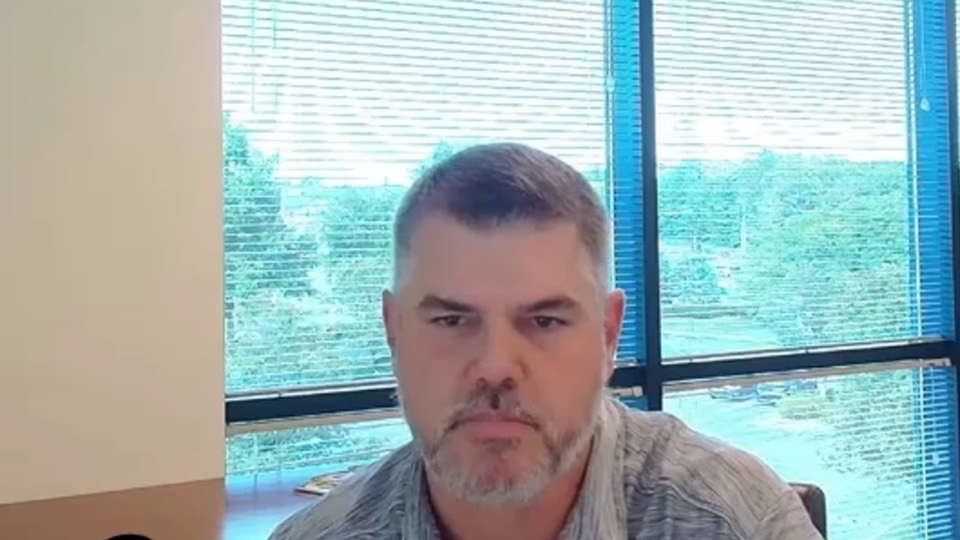 Play episode
What Tim and Justin discuss
- How Tim and team are rolling out kiosks across 220+ corporate-owned restaurants - and why they started selling more baskets
- The growth path ahead for digital ordering (currently 3-4% of sales) and why doubling that mix in the next two years is a must
- How Long John Silver’s is reaching Gen Z through mobile, gamification, TikTok, and influencer marketing while still honoring the nostalgic brand experience generations grew up with
- Tim’s candid view on AI: from demand forecasting to menu innovation, all the way down to fryer automation and voice AI ordering in the car
Also in this episode
- Rapid fire answers on cloud vs. on-prem, the #1 trait he hires for, and his go-to menu pick at LJS (spoiler: it’s not fish).
- Tim is the first person to be interviewed with the new on-set Restaurant Tech Trends burger and fry pillows. Lucky you, Tim
Episode notes from the host
On TODAY'S Restaurant Tech Trends I sit down with Tim Newton, Chief Technology Officer at Long John Silver's, LLC. With nearly three decades of restaurant tech leadership (Papa John’s, Fat Tuesday, Waitr, now LJS), Tim is leading a modernization push at one of America’s most iconic seafood brands.
Thank you Tim! This one’s packed with leadership lessons and a clear-eyed view of where QSR tech is headed.
Transcript
Full transcript (2,916 words)
Machine-generated transcript; names may be misspelled.
0:00 Hey everyone, welcome to Restaurant Tech Trends where we explore restaurant technology trends with some of the industry's biggest movers and shakers in a rapid fire short interview format. Today's podcast is produced by, who would have guessed it, Incept AI. Incept AI is focused on taking restaurant orders over the phone and in noisy drive-thrus with friendliness and precision. Learn more at Incept.ai. Today, I'm joined by Tim Newton, Chief Technology Officer of Incept.ai. Long John Silver's. With a nearly three decade career spanning tech and digital transformation, Tim is the kind of person I dream about having on Restaurant Tech Trends. And before he was at Long John Silver's, he was VP of global technology at Papa John's and he also served as CTO at Fat Tuesday and the delivery platform Waiter. At Long John Silver's, he is driving enterprise modernization across cloud POS, mobile ordering, data and data. And guest friendly experiences across the system should be a good one. Tim, welcome to the show. Hey, thanks, Justin. Glad to be here. I'm really glad you're joining. You know, I wanted to actually start out with a leadership question. You had posted something that I read this morning on LinkedIn actually about an injury that you had recovered from a year ago. And it made me think that as technology leaders, we all face challenges and setbacks and then we persevere and move on.
1:28 Persevere and move on. I wanted to dig in a little bit more on that on the professional side. I'd love to learn about maybe a professional setback that you've encountered, how you persevered, what the result was and how that experience helped shape you professionally. Yeah, I think, I think the biggest one that resonates with me was 2008. Obviously, everybody's familiar with sort of the downturn in the economy at that time. And I was clearly and firmly in middle management at that time. So my job was eliminated. I spent probably about nine months searching for the next gig, kind of going through all of the challenges that you worry about and end up falling back on my development and engineering roots, kind of took a step back, was not in management, not in leadership. Did an architect role for a company based out of Harrisburg, Pennsylvania for about 16 months. And I think the way that I persevered through that was just kind of getting back to why I was even in technology and what I was passionate about, which was bringing value to the business. And, and excelled was actually offered a full time gig at that. My wife, unfortunately, was like, not having it not moving to Harrisburg, Pennsylvania, she wanted to stay local here to Louisville, but but it taught me they're really getting back to the whole reason I'm in it. And like I said, really driving the value is what was most important.
2:44 That's a great story. And, you know, I also think as leaders, it's really important that we know how to do a lot of the work that we're asking others to do. We're certainly seeing that today with a lot of organizations getting much flatter. Well, let's shift gears a little bit. I'd like to learn a little bit more about Long John Silver's. So Long John Silver's, it's been a part of the American dining landscape for decades. And I'm curious in your role, how do you balance really honoring that legacy while at the same time trying to modernize for today's consumers? Yeah, it's a bit of a challenge. I think, you know, obviously I lean very heavily on my marketing and operations counterparts to ensure that the guest experience at the restaurant is of the nostalgia and the family tradition that we're kind of founded on. I think at the same time, though, in order to get the modern guest, we've got to be much more engaging at a digital level. So that's what we're really focused on is sort of bringing more of that digital component to life in the restaurant space from our kiosk, our mobile apps, wanting to engage sort of the Gen Z folks out there where they are and how they like to interact with QSR brands. But then once they get into the restaurant or they get into the drive-thru experience, then they really see sort of the Long John Silver's tradition come out. Got it. I'm curious to learn about kiosks. I've had a lot of guests on that have been experiencing some success with kiosks.
4:04 I'm curious, where are you right now in your kiosk rollout life? Yeah, we just started rolling out back in February, sort of went through about a 60-day pilot just to make sure we got the kinks worked out. It's across probably two-thirds of our system at this point. We're keying in to have the lion's share of Long John Silver's actually corporate-owned restaurants. We have about 220-plus restaurants on the corporate side of the house. We'll have all of those fully rolled out here by the end of the year. And then one of our largest franchisees, Charter Foods, which has the rest of sort of the lion's share of restaurants, will be also on that platform. So we've seen increased ticket, as you can imagine. I think folks, they like the opportunity to sit there. Certainly Gen Z like the opportunity to sit there and take their time when ordering versus feeling the pressure of having to stare and have a conversation with an individual while they're looking at the menu. I'm always curious when I hear someone talk about increased check from kiosk, how much of that do you think is due to people just taking their time and not feeling pressured versus maybe ordering a little bit extra that they might have felt guilty to order if they were talking to a cashier? Yeah, we've had that same sort of conversation internally. I think the other thing is that unique is you're able to do different types of product placement. So we saw sort of a basket mix change up in our dine-in restaurants where folks were gravitating towards basket and the finance folks are like, why are they gravitating towards our basket versus some of our meals or platters?
5:32 Lo and behold, it's the first thing that you saw when you popped into the kiosk. So now we know in order to engage some guests, maybe it's some things that we want to be engaging in, sort of upsells or something like that, throwing it right front and center to them. And we have a better control over that with our digital experiences than we sort of do at the drive-thru or even those that are walking into the PLS. Right. Well, we're already talking about digital experiences. So help us understand a little bit more broadly, what role do digital ordering and delivery partnerships play in your strategy today for reaching new customers? Sure. Right now about, you know, our third-party delivery probably represents about 7% of overall sales. Our digital experiences are in the 3% to 4% range. We see that as a major growth area for us, a growth channel, and really to try to engage for that next generation of customers. We've got a very old demographic in terms of the folks. It's the nostalgia-based, you know. Many of the folks my age and even older than me were introduced to Long John Silver's by their grandparents or their parents. And so we're always going to have that, but those are probably the less engaging on the digital platforms. Whereas my daughter, who's 21 years old, she doesn't even want to talk to anybody when she goes to a drive-thru or a QSR. She wants to do everything on her mobile app.
6:49 So we're trying to reach those guys. So we see it as a major growth engine. We've hit some pretty aggressive targets for ourselves in order to sort of double digital ordering over the next two years. And we see that's going to be pretty significant because right now, if you look across industry with some of our competitors in the seafood space, everybody's kind of hovering at that 9% to 10% total in terms of delivery and first-party. That's much lower than I would have thought. And I'm curious, how are you, what are you doing to reach these younger consumers? Like what are some of the specific initiatives that you've got going on? Well, we're trying to do some gamification on our mobile app. It's not there yet, but we did see sort of a trial run back during Lent and saw a lot more of engagement. When we operated email campaigns, we're trying to reach folks via social channels a lot more. TikTok, Instagram, we've hired some folks that are helping us engage in those platforms and then offering influencer opportunities as well. So we think sort of changing the way that we do our marketing and being more engaging on our social platforms is going to help us increase the digital. Are you finding with the digital channels for your older customers, are they more resistant to adopting these channels? Is there anything specifically you're doing with these older customers to try to get them to adopt digital?
8:04 Yeah, I think some of the hardest thing is really just trying to get those folks. Even when we put in kiosks, we had not only some of the staff were a little bit concerned, right? They don't want you taking away their jobs. But we also noticed some customers at some locations that did not want us to put the kiosk in because they had fears or concerns for the folks there. The way we see it is sort of taking out the mundane tasks, if you will, sort of that order taking, the punching in the POS, putting that in the hands of the customers themselves allows then our staff team members to be able to be more engaging with the guests. They act kind of like a concierge to the kiosk. They can make sure that the order is 100% accurate. And I think that is what parlays into getting the older demographic to be a little bit more engaging in the platform. Yeah, it makes sense. I'd like to learn about what some of your biggest accomplishments have been since you've been at Long John Silver's. So I've been here a fairly short amount of time, only about a year. And there were several initiatives underway, key of which was obviously finishing the rollout of our cloud-based point-of-sale system. But then also we had a mobile app that was about three months old when I joined. So really kind of getting that to grow, adding stability to it, improving the user experience.
9:21 And then we embarked on a back office initiative to make a more modern and mobile version of our back office, as well as kiosk. So we got a handful of things that are underway and we're getting ready to kick off on a labor management solution, hot schedules, that we're implementing across the board to kind of take advantage of some of the AI forecasting capabilities there. Well, Tim, you know, I can't let you get away with it. You did use the magic word AI. So you're talking about AI forecasting. You can't finish an interview without talking a little bit more about AI. So I would love to hear you talked about AI with forecasting. What do you think the top uses are for AI today in quick service? Is it demand forecasting? Is it scheduling, order taking, something else? What do you think the big wins are? Yeah, I think it's going to be all of that, quite honestly. I mean, right now I've got, I mean, no less than a dozen vendors reaching out to me to try to do everything from drive-through AI to do voice insights, which I think is very interesting, trying to get sort of the understanding of the sentiment of the guests and how your speakers at the drive-through window are handling that. And then obviously scheduling, that's something there that we could have been done a long time ago, even before AI. AI is just making it a lot more easier for us as technologists to be able to implement those types of things.
10:40 But I think that probably the coolest part for me and the one I'm most interested in is in product, true product innovation. Like how can we leverage AI up against, you know, we've got 55 plus years of ordering data available to us. And so being able to say that Tim Newton, when he orders a fried fish, he also likes a side of coleslaw or he likes some corn or, hey, maybe there's an opportunity to get some mac and cheese and our old famous crumblies thrown in there on top of that. So really looking at that to kind of pull insights out of the data to say this should be the next product innovation for us based upon how our consumers are currently consuming our food. Yeah, that's interesting you say that. I had a gentleman, Adam Kinzinger from Waba Grill on a couple weeks ago, and he was talking about how they're using a CDP to help with menu innovation and discover, you know, little things they didn't know about the way that people ordered certain menu items that caused them to change the way that they're presenting and serving their food. So there's definitely, I think, a lot of green field ahead in that space in particular. So let's just pull back even further as you look at technologies in general. What are you most excited about in the QSR segment and why? Yeah, I think, unfortunately, I'm going to hit that magic two-letter word again.
11:58 I think it's AI. I think the possibilities that we have with leveraging AI, whether it be, you know, kind of how you're seeing it most today, I really think that there's a lot of opportunity for automation. And I'm talking about sort of the mechanics of the QSR space, and that's not to frighten anybody. I certainly don't want to replace a bunch of our folks that work very hard in our restaurants. But I think there are probably some tasks and some jobs that even those folks would say, gosh, it's just mundane to drop the fish or drop the fries into the fryer. Like, how can we make this simpler? So I think automation and sort of leaning in from an AI perspective to go, hey, you're getting ready to hit your big rush. You might not be thinking as a person, gosh, I should probably drop a little more chicken or a little more of the fries ahead of time. And sort of getting the AI and the automation and the mechanics there to pull those sorts of things in and kind of pull them from your inventory and get them going ahead of time so that you can be tended to your guests. Because that big rush means you've got a bunch of people coming through the door, a bunch of people coming through the lanes at the drive-thru. Looking at Long John Silver's five years from now, what do you think is the same and what's different? So I think the way we treat our guests and sort of offering up what I think is the best QSR seafood, hands down, I think that's going to continue.
13:16 I think what they'll see different is sort of a fresh, modern face. And then I think the technology, the way you interact with us, whether you're coming in for the kiosk, whether it's super frictionless ordering on your mobile device. I also would like to see the ability to where I'm in my car and I've got my car playing, I'm ordering, leveraging voice AI on my mobile app so that I don't even have to punch in the buttons and it just knows who I am. So I see that as being sort of what you would see or hopefully what you'll see Long John Silver's in the next five years. All right. Now we're coming up to our rapid fire segment. And so for everyone that's watching or listening, Tim has no idea what these questions are that I'm about to throw at him. Tim, the rule on these rapid fires, you've got to try to answer with one word if you can. If you can't answer with one word, answer with one sentence. Are you ready? I hope so. All right. We're about to find out. What is the most memorable IT crisis you helped resolve? A four-hour outage at Papa John's, unfortunately. Oh, gosh. All right. Cloud computing or on-premise? Cloud. What is a key trait you look for when you're hiring tech talent? Attitude.
14:29 All right. Last one. What is your go-to menu item at Long John Silver's?
14:35 The chicken strips.
14:37 Chicken strips. All right. Well, we are out of time. Tim, I am so grateful that you were able to make some time for us here today. Everyone, Tim Newton, Chief Technology Officer at Long John Silver's. Thanks, Tim. Thank you, Justin. Really appreciate it.