Episode 82 · November 5, 2026
Jayson Tipp
Chief Growth Officer · Playa Bowls
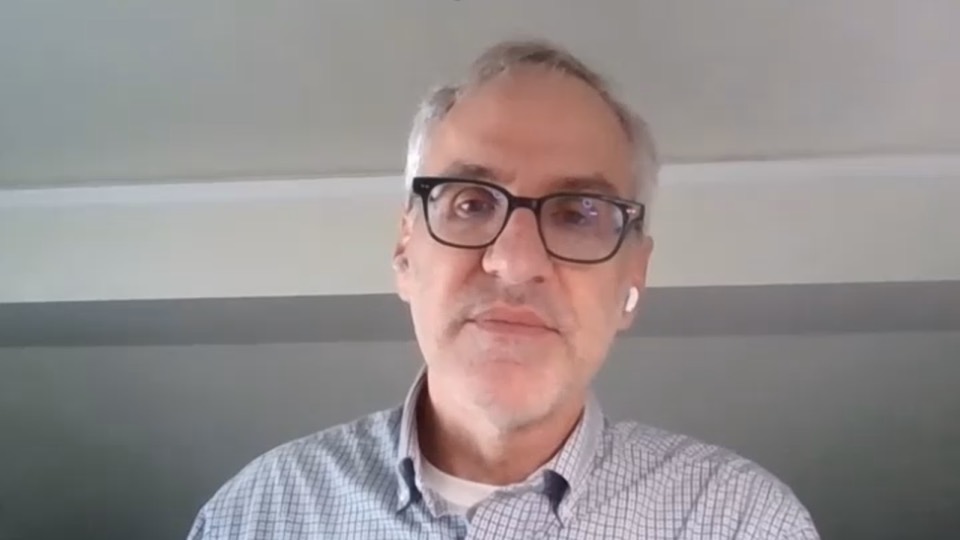
Jayson Tipp, Chief Growth Officer at Playa Bowls, is the guest on episode 82 of the Restaurant Tech Trends podcast, hosted by Justin Foster.
 Play episode
What Jayson and Justin discuss
- Why Playa is graduating from SMB all-in-one bundles to best-in-class enterprise platforms, and why waiting until 400+ units makes it a bigger lift
- The shoe analogy every tech buyer needs to hear: are you a sprinter, or do you have plantar fasciitis?
- How a small group of franchise owners helped run the POS RFP and became the system's sharpest tech experts during the pilot
- Pizza is a smile, burgers are a frown How Playa fights seasonality with product innovation, CRM, and youth and college sports teams
- "Do we need a BI tool anymore?" How Jayson uses AI to do in a day what used to take the better part of a month
Also in this episode
- Why agentic ordering feels a lot like third-party delivery knocking on the door back in 2013
- Rapid fire - granola on top or skip it, his go-to Playa Bowl, kiosk or human at the counter, and build vs. buy in the age of Claude Code and Codex
Episode notes from the host
I LOVE this story for this week's Restaurant Tech Trends. Jayson Tipp started as a stock boy at Kmart, sold tires and batteries at Sears, and then spent his early career as a statistician studying the causes of psychiatric disorders. Today he's growing one of the hottest brands in America.
Jayson is Chief Growth Officer at Playa Bowls, the Jersey Shore-born açaí bowl brand now at 420+ shops, bringing 30 years of experience across Starbucks, Papa Murphy's, and more, plus a rare stint on the vendor side with Bridge, a restaurant CDP before "CDP" was even a label. Now he runs development, technology, AND digital marketing under one roof.
Jayson connects the dots between data, development, and tech better than just about anyone I've talked to, and I'm already looking forward to our 12-month check-in.
Shout outs to Olo and PAR for the ordering love along the way.
Transcript
Full transcript (8,953 words)
Machine-generated transcript; names may be misspelled.
0:00 Hey everyone, welcome to Restaurant Tech Trends where we explore restaurant technology trends with some of the industry's biggest movers and shakers in a rapid fire short interview format. This podcast is brought to you by Incept AI. Incept AI takes restaurant orders over the phone and in noisy drive-thrus with friendliness and precision. Learn more at Incept.ai. My guest today, really excited to have him on, is Jayson Tipp. He's the chief growth officer at Playa Bowls. The Jersey Shore born Acai Bowl brand that's now passed 400 shops, I think, and growing fast. Jason has spent more than 30 years in multi-unit retail and restaurants. He's had leadership roles at like a who's who list here. We're just going to name off a few of them. Starbucks, Potbelly, Redbox, Papa Murphy's. Plus he also spent some time on the tech side, which I think is really fascinating. We don't have a lot of folks that come on this podcast that have both been vendor side and people. And brand side. So eager to kind of dig into that. While he was there, he helped restaurants know their guests better. Today, he runs development, technology, and digital marketing at Playa under one roof. It's a ton of responsibility. That's kind of insanity. Jason, welcome to the show.
1:17 Hey, thanks, Justin. I really appreciate it. As mentioned, super happy to have you on. Want to learn all about Playa, the great things that you guys are doing. You've had quite a storied career. So want to maybe start off and spend a little bit of time talking about that. So from what I read, you started in store ops. You went on to lead marketing tech strategy and development at all those brands that we were just talking about. Plus you were, you did a stint as CEO of a company called Pinchot. So walk us through your career. What is the line that like ties all those things together? Oh, I'll do a, I'll do a, I'll do the quick version. So yeah, I started in store ops. It was actually in retail. So I started as a stock boy at Kmart many, many years ago. No way. I was in high school and wound up working. I worked checkout, worked my way up to checkout. And I also worked the customer service counter there. I sold tires and batteries at Sears. I was the guy that you dropped your car off with at Sears. And then was a service department assistant manager for a while while I was working my way through college and graduate school. But in my, my, post college post-graduate school career, I started out as a statistician in actually in academia, studying psychiatric diseases and causes of psychiatric disorders.
2:47 And that led sort of that basic skill set of being a statistician and problem solver in the sense of, you know, trying to understand what the data tell us and what we would do with the data. That's really been the through line in my career. And I did that initially in sort of market research and database marketing that led to an opportunity at Starbucks, which was more in sort of growth strategy, development strategy, where to put stores, what kind of stores to build where. That was almost 30 years ago. And that sort of problem solving, identifying strategic growth opportunities thread as, as continued through my career. And it's in most of the organizations I've been in, it's led me to be in a role where I'm understanding the, the business problem and working on a problem that's really important to the business to get implemented, to drive growth or unlock some untapped opportunities. All right. Well, when you said you were studying psychiatric disorders, I was wondering if part of that is what led you into the industry, because people in this industry, as you know, work insanely hard.
4:04 And really cool to learn about that statistics background as well. Obviously, we live in a super data intense industry. So definitely want to dive into that a little bit further as we move on here. But I, before we do that, uh, I also noticed, as I mentioned in the intro, you spent some time on the vendor side and that's something I don't think I've seen here before. It's either people came up purely either through restaurant ops or perhaps they were in another industry like retail, like you have the background in retail as well. But I don't think I've ever seen someone on here that was, you know, working like tech vendors and then, you know, spent time on this side of the table as well. What did selling into restaurants teach you about how you should buy software for restaurants? Yeah, I actually step back throughout my career. It's been a brand side and supplier side kind of curvy path going back. As I bridge from the academic world into industry, I actually stopped off at a company called Claritas, which exists again today, but went away for a number of years, was acquired by Nielsen. And had retailers and restaurants as my clients, which is kind of how I bridged back into restaurants.
5:23 I was doing data analysis and consumer profiling and modeling for restaurant and retail clients there. Then I went back on industry side, on the brand side, and wound up back on the consulting side a little bit later, consulting supplier side, I guess, working for a company called Alliance Data Systems, which was the database marketing company and retail and credit card bank, credit card issuer for the limited brands. And so we did database marketing and analysis of their customer profiling for the limited brands. Again, you know, sort of zigging and zagging. More recently, back in, let's see, 2019, 2019 to 2023, basically was working with a couple of smaller growth oriented technology companies focused on the restaurant industry. The first was Bridge, which was a first restaurant focused CDP company. I was an advisor for them for several years and then joined and was an executive there for a couple of years helping them. Is this back before CDPs became like a thing?
6:39 Was this like early days of CDPs? It was a CDP before the CDP label existed. And then when the CDP label was defined, then you could say Bridge is a CDP because it met the criteria of being a CDP. And that really helped explain to clients what Bridge could do for them. But it was very early on. I mean, it was really only the most sophisticated restaurant brands and retailers that got it and had enough capacity to really leverage the capability that that technology unleashed. And so I actually joined them and then subsequent some other companies afterwards, really filling that gap that you kind of described, which is I was the buyer. I understood what the buyer, what problems the buyer was trying to solve. So as I joined Bridge and they were struggling really to explain to the buyer, one, who's my buyer? Is it the CFO? Is it the CTO? Is it the BMO? Who's the buyer? How do I explain to the buyer the problem that the technology solves? How do I help them create a business case that they can sell internally?
7:54 And how do you and usually it's not one buyer, right? Usually it's. Yeah, not for. We have intelligence that can help the CMO understand the customer and take actions. So you have to paint a picture for the CMO. You have to paint a picture for the CMO and then a business case that the CMO as the champion will take to the CFO that gets the CFO inspired and excited. And so I did that with a company called Bridge. I did that for about a year with a company called Perfect Company that's still operating today. Perfect Company has a kitchen management platform that's really beyond anything that anybody else is doing out there. And and they've had a lot of success. But it was sort of the same thing. It's sort of like what's the right sort of elevator pitch and who should be talking to and what's the right language to talk to those parties? And I guess the big news is Bridge was acquired. Well, Bridge was acquired in 2021 by Cardlytics and then again sold this year was acquired by Par. Now is part of Par, which is really interesting. All the way around. Yeah.
9:03 I'm definitely seeing how I'm definitely understanding much more clearly why you're owning marketing right now. I can see that. By the way, I don't know if you know this, Jason, but my own background is in personalized digital marketing. I did a startup that was kind of in that space, like as CDPs were taking off email specifically. So that's cool. I didn't know we shared that in common. Yeah, exactly. And I also can now see based on your experience with statistics and consumer profiling. Now you're leading development as well. So that makes a little bit more sense to me. Also, you joined when you joined Playa and we're going to talk more about Playa here in just a minute as I think chief development officer. And this year you moved into chief growth officer, which adds technology and digital marketing. This is the first time I've ever seen a restaurant brand that has had all three of these functions under one leader. What kind of advantage has that given to Playa or has that created challenges consolidating all of that responsibility into one position? Well, it's yeah, it's interesting. So Playa has grown really quickly. I joined three and a half years ago initially as a consultant.
10:22 The CEO at the time was someone I had worked with a couple of different times in my career. He asked me to come in and take a look at the development organization. And ultimately, I ended up joining full time and I've been on board full time for over three years now. And about almost two years ago, after the private equity transaction and the new private equity firm, a new CEO joined the organization, John Caposola. Folks might know him from nothing but cakes or years and years at Del Taco. And, you know, it's a fast growing organization. Lots of stuff going on. Lots of things that lots of functions that needed leadership. And at the time, John came on board. We had a conversation about it. We really didn't have a strong capability in IT. We had a nascent digital marketing capability. Great people in the organization. But at the scale... How many units were you at this time? Sorry, Jason. How many units were you when you joined? Well, when I joined, it was around a little under 200. Right now we're at four... Today we're at 421. So this is probably...
11:38 This was before we had 300 units. Because I know that John was here for the 300th shop opening. So this would have been around that time or just under 300 locations.
11:50 And because I had prior experience leading technology at Papa Murphy's, that was part of my portfolio at Papa Murphy's. I had been in a similar kind of omnibus role, if you will, at Papa Murphy's. I was Senior VP of Marketing there for a while. And then I was the Chief Development Officer. And there wasn't an executive leader of technology. And because I have had technology experience in my career, it was kind of the position structured for me. Kind of the same thing happened here at Plyables. There was opportunity for there to be some executive leadership across some functions that don't normally fit together. But because Jason shows up with those things together on his resume... And I've known John. We didn't work together before, but we've known each other in the industry. John had confidence that I could lead those capabilities. What we have done over the last year and a half is we brought in a VP of digital marketing from the industry. Someone, Mark Folds, who was many years at Dunkin' Donuts and most recently at Walk-Ons. And then we brought in a new Chief Development Officer, Patrick Turek, who joined us in March. So we've been building up those capabilities in the organization.
13:08 And I've continued to lead technology. And now we're out right now recruiting for a... You and I talked about last week we're recruiting for a VP of technology. As that capability needs more attention and more leadership. You know, it's funny as I hear you talk about this. Because, you know, we have people come on this podcast all the way down to like 10, 15 units. All the way up to thousands of units. And I have this like favorite phase of restaurant growth. I call it a tweener phase. It's sort of like that, you know, 35 to like 75 units growing pretty quickly. But hearing you talk about when you joined Playa, man, you guys must have been like flying by the seat of your pants. Like running things like super lean and mean when you joined. Like just like now building out some of these like tech functions. And you talked about how digital marketing was like pretty early when you joined as well. That must have been pretty crazy when you first joined. Were there like messes and chaos everywhere that you had to organize? Like what was the environment like? Well, it was very entrepreneurial. So, you know, I've seen I've been in smaller organizations, much smaller organizations. And I've been in much larger organizations at different stages of growth.
14:24 And I would say from my career, there's a lot of lifting that goes on. I've never been in an organization the size that Starbucks is today. Use that as an example. I was there way earlier on. I was there. I got there when they were 1,500 units. I left when they were, I don't know, 3,500 or 4,000 units. But even in that period of time, you know, you'd think I got there at 1,500 units. It was a pretty large organization. You'd think that things would be pretty stable. And they had really good processes. Otherwise, they wouldn't have been able to execute. And yet, every day was a sprint. I remember every day being a sprint to keep up with the activity in the organization. And so, Pliables, when I dropped in, yes, it was very lean. It was private equity owned.
15:15 That private equity had a very specific timeframe in mind, which leads them to, you know, manage things with that timeframe in mind. And ultimately, they did a transaction in the middle of 2024. And so, no surprise that, you know, they were managing with that in mind. So, the business was very lean. And you had to stretch. You had to play a lot of roles while you built process. My favorite phrase, which applies to Pliables, we've been doing is building the plane while we're flying it. Because we've been very focused on growth. But, you know, with growth comes growing pains. And so, there are lots of problems to solve, particularly when you go from being a very regional brand, as this brand was, based in New Jersey and with still today a disproportionate footprint in the northeastern part of the U.S., but trying to grow across the country. Supply chain is a big deal, right? And that's a huge problem to solve. Technology. We have been on platforms that typically are designed for small and medium businesses. They've gotten us here, relatively problem-free. But then it's those growing pains, right?
16:31 You start to see there's a missed opportunity. You look at the missed opportunity. And you uncover, boy, this is going to be, because we have waited so long, because this change didn't happen at 50 units or 100 units or two units. It's a much bigger project. It's a much bigger effort. There's more investment required, more integration. You know, technology is way easier to transition today than it was 30 years ago. So, 30 years ago, doing some of the stuff that we're doing today when I was at Starbucks would have been crazy. It would have been years-long, you know, projects. And today it's much more straightforward. Yeah, but I mean, even now, like, when you've got a big system like a point-of-sale system, or if you're trying to move, like, all your whole back-of-house, you know, inventory, payables, scheduling, like, all that kind of stuff. I mean, these are big system migrations. So, that actually was my next thing that I wanted to talk about, is what is, like, actually ranking right now? Like, is it POS? Like, how are you going to fix it? Like, what's the time frame? Like, what, you said 420 stores right now, right? That's a pretty decent-sized footprint. So, what are you looking to change out next, tech stack-wise? Well, we have a pretty straightforward tech stack, but as I say, it's capabilities that are more designed for small and medium businesses.
17:56 I don't want to go through all of the brand names or the labels of the platforms that we're on, but we really need to move from those kinds of scaled platforms to enterprise platforms. So, I wouldn't say that anything today is breaking in the sense that it doesn't support the business, but it certainly doesn't give us all the capabilities that a grown-up brand wants to have, and we think of ourselves as a grown-up brand. So, you know, you can think of, you know, the small and medium business-oriented loyalty platforms. You and I both know we can go out and look at them. So, you know, they typically, because it's designed for small and medium businesses, they are price point oriented, and then they usually cobble together all of the components you want. So, you have loyalty, you have online ordering, you have your mobile app, you might have CRM, all of those things sort of bundled together. Now, if you go and look at a thousand unit brand, they don't have those capabilities all together in one, right? They have their loyalty platform. They have a separate best-in-class CRM platform. They're doing something else with their online ordering. They, you know, they have a custom mobile app, right?
19:15 So, they go to best-in-class in each of those solutions to get the most capability out of each of those solutions. And that's right where Pliables is in between that transition. So, we're the same place with POS. We're the same place. It's almost sort of all of the technical capabilities making that transition from small and medium business to enterprise. All right. Well, you named these two. So, let me just, let's just see. Like, you don't have to give any, you know, trade secrets away or anything like that. But as you look at the players that are out there, you look at the ones that you think are leading or winning on the enterprise side. You mentioned both POS and loyalty. What are some of the ones that you think are doing a good job today?
20:00 You know, my old adage is everybody dislikes their current POS platform. That is true.
20:08 You know, even the new one that they get. So, I think it's the challenge in most of this space is that there's leapfrogging. So, this, you know, take your pick.
20:26 Brink might be a little bit ahead this year or the next two years than everybody else. Or Q might be a little bit ahead. Q's had a lot of success recently. I know the folks over at Q, they're really good. I think they're very thoughtful about what they're trying to do and build a platform.
20:43 You know, but, you know, I've had experience with Brink. It was okay. You know, the challenge is less about drawing a conclusion about the specific platforms than the match between the platforms and the specific needs of the organization. My biggest critique of technology platforms as they're marketed or sold to organizations is they're sold like they're one size fits all. And they're not. It's not just I need a size 9 shoe or a size 10 shoe. It's really am I a sprinter?
21:25 Or do I have plantar fasciitis and I need a shoe for that, right? It's really what are the specifics of my organization? What is my organization trying to do? And when we're talking about POS, you really start getting because that's kind of the nerve center of the store. It creates all the data. Where are the data going? What other platforms do you need to be integrated with? I think oftentimes organizations overlook how important it is for the technology to mirror the operational processes. We probably both know people, I've been in organizations where the senior technologist puffs their chest and says, this is the solution. This is what we should go implement. And it's the technologist's perspective. But it doesn't actually work the way that the store needs to be run. So I think that's a huge challenge. But I think, yeah, I mean, right now, if I were out doing an RFP, I would be looking probably at Brink. I'd be looking at Q. I'd probably be looking at Xenial. I'd probably look at, you know, I've worked with NCR in the past.
22:40 I mean, you sort of have to look at all the likely suspects because you don't know who's going to be the leading contender right now, right? And what's going to work better for you. Yeah, I won't comment on any of the specifics of any of the POS vendors. I think liking one POS vendor or another, it's a little bit like religion in this space. But I did, you know, you talked about the senior technologist that will kind of puff out his chest or her chest and say, hey, you know, this is the way it has to be. You guys are a franchised organization. You're also growing quickly. So I'd like to learn a little bit more about how you are involving your franchisees in making some of these decisions. You guys have like a franchisee, you know, council. I saw that a lot of your new locations that you're bringing up are coming from existing franchisees as well. I'm curious how that or if that plays into your tech selection process. What are some lessons learned that you've uncovered over the years about how to and how to not involve franchisees when it comes to making big technology decisions? We do have a franchise advisory council. They're actively engaged, have been for the entire time I've been at Pliables.
23:58 They're, I mean, they're conversations going on constantly. In addition to that, Pliables has specific subcommittees, not necessarily derived from that franchise advisory council. Although there is some overlap, there's usually one person from the FAC that's on, say, the marketing committee or the technology committee or the operations committee. And those groups meet kind of more frequently and sort of more intimately on details. Because, you know, it's very difficult to run the business at sort of the strategic level. Make sure that you have folks, you know, aligned with the strategy because that's important. But then also get into the tactical detail on the next marketing promotion, for example, or the economics of the next LTO offer, for example. So there's a little bit of a balancing act there. But they're very actively engaged. We did an RFP for POS in early 2024. We had a small group of franchise owners drawn from the FAC who participated in that. And we had some subject matter experts, some folks drawn from the franchise community who had more or less experience with labor management capabilities or backup house inventory management capabilities.
25:17 To pull together a solution that we've been in pilot with for about nine months. And we now have a we now have a that pilot group of owners who have become sort of our most knowledgeable on our tech stack as we continue to pilot and refine that.
25:35 And we talk to them at least monthly. Sometimes it's a couple times a month, depending on what's going on and what we're trying to accomplish.
25:44 OK, makes sense. I like it seems like a solid approach. I want to spend a bit more time talking about tech, but I think we kind of got a little bit deep, a little faster. So let's talk a bit more about Playa. So you guys are a Jersey Shore brand. You're moving to the West Coast and other new markets. Like how what are some of the specific challenges that you've uncovered bringing the brand over here? We're both West Coasters. Yeah, yeah. So so if you drew a line, a line, an arc, you said started in Phoenix and you kind of went over Salt Lake and then to Chicago. Everything south and east of that is where we have a footprint today. But like I mentioned earlier, it's predominantly if you looked at 421 stores we have today, I'm kind of I'm gutting that, you know, two thirds of those are probably Washington, D.C., Philadelphia, that line up into the northeast. So we're have a regionally strong brand. Second region where we're strong is is probably the southeast coming out of Atlanta and then sort of tentacles out of Atlanta and into Florida.
26:59 And then much less as we move into the Midwest and then the southwest. And I don't think pliables is any different than any other brand I've been at where you're trying to move into new markets. You're trying to establish the brand, grow brand awareness. And I guess what I would add to it in pliables case, but we saw the same thing at Papa Murphy's is you have a product that you need to explain. But again, I'd go back to Starbucks, which was growing really quickly when I got to Starbucks. Again, they were already at fifteen hundred locations. But I got there and I heard horror stories about when Starbucks entered Atlanta or when they first went into Chicago and the challenges that Starbucks had trying to get people to understand. Yeah, everybody knew what coffee was, but coffee was inexpensive and coffee was, you know, like Folgers. Right. And so you're trying to explain to people why they should be paying at that time. I guess it was probably three dollars for a for a latte. And so even for Starbucks, it was challenging. Now you take at Papa Murphy's, it was a take and bake pizza, which you and I are both in the Pacific Northwest. So we you know that those are Papa Murphy's home markets there. Papa Murphy's when I was there had 90 locations in the greater Seattle area.
28:17 The people there knew what it was. But if you took the product into Des Moines, Iowa, I know I had a conversation with somebody who a friend of mine who lived in Illinois. And he was like, I don't get it. Why do I want to take the pizza home and bake it? I want you to bring me the baked pizza, you know. So acai is an odd word. It doesn't pronounce the way that it's spelled. And so now all of a sudden you've got to talk about a product that a word. You've got to use a word that people don't necessarily understand. You have to explain to them how they use it because it's not immediately obvious, even if you explain acai, how you use it.
28:56 And you're going into markets and, you know, there's a there's a pretty significant lift. So I think that's always the challenge with a with a new and emerging brand. And Papa Murphy's has been successful over the years by getting entrepreneurial owners who are locally focused and in their community and work hard to explain what the product is. You know, once you get the product in people's mouths, they get it. It's a great product. It tastes fantastic. And it's very popular in our in our more established markets. So is that I mean, is that the approach you guys are using here? You're just looking for are you looking for single owner operator type entrepreneurs, single location? Are you looking for multi unit? And then we talked about the marketing, the pronunciation of the word, which actually I mispronounced at the beginning when we were doing our prep. Is this more like a marketing type of a thing? Like it's like strong local marketing efforts. Is this more of, you know, educating people? Are you putting like DMS into markets like before you would think you would need to put a DM into a market? So you have like some operational infrastructure in place there to help with like training and making sure that like the crews know the correct way to talk about the product.
30:13 Like specifically, like what are you guys doing to overcome those challenges? Yeah. So, I mean, it's it's a full court press. There's a lot of work that goes into trying to overcome those challenges. And they're easier in some markets than other markets. The type of owner you have makes a difference. The responsiveness of the team makes a difference. What we're doing, our overall marketing strategy all make a difference. You asked about owners. We most of our owners are multi unit owners. Almost all of the owners when I came in started with one location and were friends or families or extended friends or family of the of the founders. And I think many folks never thought they would be a franchisee. Never thought much. You know, they just kind of got into it. And now some of those folks have 15, 18, 20 locations. We have quite a few multi unit owners who are banging on the door of 20, 25 locations in the northeast or more northeastern markets. But, yeah, we're disproportionately multi unit operator. Now, that doesn't mean that if somebody wants to come and, you know, operate one unit that that they're excluded. We still find people to operate one unit.
31:30 But our experience has been usually people come in and they start getting into the business and they tend to want to grow. But it's not, you know, I think it's to be. Well, it's it's also not for the faint hearted. Right. I think I think lots of folks underestimate the effort that's required for a franchisee to be successful in any business, in any brand. It feels like.
32:02 I know for some folks, it feels like I'm buying a franchise, therefore I'm buying. I'm. A proven business and I can't fail. And then and there's the other tendency that human beings have, which is they look at the FDD and they see the distribution of results and everybody sees themselves in the top quartile.
32:26 Somebody's always in the bottom quartile because there's a bottom quartile. Yeah. And so a lot of times it really does come down to the level of commitment that people are making to the work that needs to be done, particularly when you're talking about some of the things we were about breaking the brand and and penetrating and creating brand awareness. We have a product that aligns really nicely with an active lifestyle that appeals to to to kids, young kids all the way up to, you know, people our age.
33:02 Runners, you know, some of our franchisees, their best results are working with local schools, working with competitive sports teams, youth sports teams. We have a franchise owner who's regularly doing catering when at a at a at a division one university when competitive teams come in to for games.
33:31 His name is given as a contact to the opposing team at some place they can cater from. It's going to be healthy and good for the the athletes. That's cool. I'd like to click a little on Nontrad. Yeah. What is Nontrad looking like right now in terms of the growth projections?
33:51 Obviously, right now, real estate is at a premium. There are a lot of brands that are focused more on Nontrad's, you know, airports, food courts, things like this. What's that look like for Playa right now?
34:04 Nontrad is always a long road to build. You have to build those relationships. We have a handful of nontraditional locations and train stations and airports. Probably the most visible one that people will see or two is, you know, Grand Central Station in Manhattan. And and we're in Newark International Airport. If you fly United, you'll you'll have an opportunity to visit it. And they do really well. And we have a really good response from the concession operators and relationships. But, you know, airports, the real crown jewel. And the challenge with airports is that they're typically they're based on an RFP cycle from the Port Authority. Right now, my understanding of talking to folks in the industry is the RFP cycle is being delayed and in some cases prolonged because of the economy. So folks don't want to break ground. They don't really want to start spending money building things or re re merchandising terminals. So it's it's an interesting time in that particular space. But we have a lot of interest and we're continuing to to, you know, it's sort of little by little make inroads.
35:20 When you say the economy, are you referring specifically to like inflationary pressures or what? I think it's across the board, I would say, you know, if you and I just look in the mirror and we think about ourselves as consumers. Right. Do we want to spend any money on on anything we don't need to right now? And when we look at spending money on anything now versus, you know, if if you're playing a betting game and you assume things are going to change when there's no longer a military conflict with Iran or there's no longer a military conflict between Russia and Ukraine, you might say, hey, I can or there's no more tariffs. Hey, I can wait things out maybe a year or two. Because remember, port authorities work on very long time frames and those contracts exist. So whether we're talking about, you know, SSP or any of the other other folks in the in the business, you know, they they don't necessarily have a sense of urgency to start writing checks on development projects. All right. Well, makes sense. Let's go back leaning a little bit more on tech. So acai bowls, I think, tend to skew pretty seasonally, at least in some markets.
36:37 What are you guys doing to smooth things out when you just might not have the demand there? Are you using tech to help? And if so, how? Yeah, it's interesting. So I think acai is no different from any other product. I know I've never been in the hamburger industry, but I understand that's the case in the hamburger industry. It certainly was when I was at Papa Murphy's. Papa Murphy's, if you looked at the seasonality from January to December, pizza tends to look like a smile because it's higher in the colder months and lower in the summer. I think hamburgers and sort of other stuff is more of a frown because it's higher in the summer when people are out and about.
37:19 Pliables is more of a warm season product. That's true.
37:27 But again, we're, you know, we're regionally strong in the northeast. So the northeast has strong winters. And so it's really, I mean, we have locations that are seasonal locations that are open during the summer and close, you know, because they're at a beach. They close when the beach is not operating in the winter. And the way that we work to offset that is really our promotional strategy, our CRM strategy. We are working. We have a new CMO who came in the beginning of this year. He's been working on a, you know, a year long product innovation strategy. So we've been launching products this year that hope to help us maintain airspeed as we get into. We're sort of in the shoulder months now as we head into the fall and into the winter. And then it's, you know, I talked about the sports teams. It's really, you know, school is in session from September to May. And that's when the high school sports are going on. And that's when the college sports are going on. So there's a real focus of shifting attention towards engaging with teams, engaging with schools, engaging with organizations. Right. And to keep, you know, it's all about reminding people that there are reasons to visit Playa, which aren't just about a hot day in summer.
38:50 Have you guys done anything with like AI driven, personalized offers? Is that part of what this new promotion strategy is your new CMO is working on? It's like a pretty hot area in the industry right now. Yeah. We're not using that that I'm aware of. We're not using.
39:09 We're not using AI to really, you know, do the ultimate tweaking of the offer necessarily. But there's a lot of segmentation and analysis that's powered by AI and guest data to identify segments and what the offer should be. But it's not sort of that last mile of kind of, you know, sort of automagical matching of the target, the offer and the, you know, the product and the guest. All right. Well, I think this is a good transition into talking about first party data, third party marketplaces that we've got out there right now. Your background, obviously, from Bridge. You have extensive background in profiling consumers. Like, how does Playa think about first party versus third party today? Where are you prioritizing your investments? Are you trying to pull more off of third party to first party? And if so, what are the big levers that you're pushing there? We think about third party as an important part of the mix in the portfolio. And so as you look at any guest or sales portfolio, whether it's in our industry or another industry, you sort of look at the economic profile of it. So we're very thoughtful about how we invest or we ask franchise owners to invest in third party, right?
40:29 So the third party platforms go right to the store owner and they'll prompt store owners to do all kinds of marketing investment with them. Not all of that marketing investment is driving incremental activity. Not all of it is incrementally profitable. So we try to be real good guardians and thoughtful guardians of advising the franchise system about where it makes sense to take advantage of those opportunities to drive incremental transactions, while also understanding that there's a base business that you want to keep people coming back and stimulated. So there's also an opportunity to preserve the business. We lean heavily into first party, both our own online ordering, but also using relationships with third party delivery platforms to deliver first party orders. But third party is an important part of the business. I'll tell you, one of the things I'm really interested in is in seeing how things work out for Olo with their new consumer app. I haven't downloaded it as a consumer yet, but I'm anxious to try it. Because, you know, if I think about it from the consumer's perspective and, more importantly, from the restaurant operator's perspective, if we can make the fees more transparent for the consumer so that they know what they're paying for.
41:54 I'm a consumer. I order from DoorDash. I see it. I know what I'm paying for. I make a very informed choice when I use them. But the consumer generally doesn't see the 20, now, you know, increasingly in the 20, 25% commission that the restaurants are paying and why they're paying, you know, $35 for a pizza. You know, there's some products I won't even order on third party because I look at it and I go, I just, I'm not going to pay that much for a burrito. Yeah. Well, this is a, let's talk a bit about agentic commerce, right? Because this is maybe the next thing. Well, we'll see. But it's certain, I'm using AI today to book my plane tickets and fill my Amazon cart. And, you know, there's millions and millions of people like me. And you think about, you know, the rise of ChatGPT, Claude. What are your thoughts about these platforms as a vessel to drive incremental business and have agents ordering directly from your mobile app or from your website? Is that something that you're prioritizing right now? Obviously, there's a huge opportunity there because you can, you know, if consumers are using these platforms and they start to use these platforms to research and order, you can bypass the third party marketplace, right?
43:14 When people use third party marketplaces, they're going there for convenience or scrolling through things. But if now you see consumer behavior kind of shifting to these AI tools, that represents potentially a huge opportunity. What do you guys see there? Or what are you planning there? I think, well, we as an organization are increasingly using AI capabilities to run the business on a variety of fronts. We're trying to be very thoughtful about that. We're paying attention to this space. We're not leaping into it yet. I think for me, look, it's inevitable. It doesn't really matter what I think because I think it's inevitable. But, you know, so I'm not going to stop it. But I'm reminded of. I was still at Papa Murphy, so I'm guessing 2013-ish, maybe 2014, when third party delivery platforms were first starting to knock on our door and talk to us about. Everyone was like, no, that's not going to work. Yeah. It just didn't make any sense, right? At that time, it was. And look where we. Now, look, were they helped by COVID? Of course, they were helped by COVID. But even before COVID, there was a lot. There was a lot going on there. I was actually surprised when COVID came along how many restaurant chains were not doing it that then immediately flipped.
44:36 And, of course, it was most of the major brands. And now they're still on those platforms. I so I think we're early days. You know, I've been. When I talk to people, I know, you know, people are starting to get comfortable with some of the AI capabilities, but aren't using them the way that, you know, we who are in the industry are thinking about this, talking about this every day are using them. Now, I will say the one I think that has the capacity to kind of bridge that gap in the near term in the way that, you know, you're sort of leading to is Muse.
45:17 Yeah. Muse, Muse shows up.
45:22 As agentic, the other platforms don't the other platforms are it's a it's a dialogue. You have to dive in, you have to die. You've got you step in a little bit deeper. It's like being at the beach, right? You have to walk in, let the let the waves hit you. And then you start asking it to do more. It will do more. But Muse, Muse shows up, you know, and day one, it's reading my email and telling me, you know, hey, do you want me to do this? Oh, I'll do that. I'll take care of this for you. I can just post that for you. Want me to do that? And I agree with that. The interface. It's a little off-putting, actually, but that's OK. Yeah.
45:59 I do think that the part of the virality behind Muse is the accessibility of it. And that's something that they did figure out before Anthropic and before OpenAI. So, yeah. No one has a crystal ball. No one really knows how fast this stuff is really going to grow. I'm personally like super bullish on this space. I think we're going to see a huge amount of growth there over the next couple of years.
46:25 But I wanted to rewind to something. You said you're starting to use AI to run more of a business. And we weren't planning to talk about this, but I would like to just for a minute talk about AI governance. What have you guys done in terms of like, has this been like a formal thing? Do you have like a committee where you talk about like policies for like who gets what licenses and how much usage and for what purpose and managing the data that gets fed into these tools and how do you keep it secure and private and like all of that stuff? Are you guys, do you have a focus like initiative around this or is this like absolute wild west inside Playa? It's not wild west.
47:02 It's not a focused initiative yet. It's at the leadership team level, largely focused on between the CFO, the CEO and I, and then sort of a second kind of circle of folks in the leadership team.
47:22 We're being very thoughtful. We have an enterprise account for a platform. We're being very thoughtful about the data we make available. We are, we are leveraging connectors to some of our, our data, which is not in the platform. Yeah. Trying to test how we can leverage the platform to leapfrog. So for example, you know, do we need a BI tool anymore? Right. How do we use, how do we use the AI platform to solve the problems that we would have otherwise gone out and licensed a larger BI platform for it, for example. So we're kind of that stage. We're also then using it really for strategy development as well. So, and problem solving. So, you know, one of the things that, that I find really helpful is you or I, when we're, we might have all the data, we might reason our way to the same answer, but it might take us days or weeks to pull together an executive summary of the, of the business problem and a recommendation or the multiple recommendations and the pros and cons. Whereas I can take all of the information that's provided contracts, data, new data, you know, results of a conversation we've had as a team, a narrative, right.
48:45 Put it all in and say, here's the problem I'm trying to solve. Here's what I want to optimize for, you know, evaluate this, give me a recommendation. And, and, you know, in, it's not automatic. It doesn't happen magically. But, you know, in the course of a day, I can usually accomplish something that would have taken me the better part of a month. Yeah, I, I, I agree. A lot of this analysis work is really being automated at an incredibly rapid clip by AI. It's been a huge productivity booster. We're, we're almost out of time and I have like a ton of more things that I want to talk to you about, but just a couple ones, just really quickly. Where are you using AI today at the store level? So not above store, but in store and where are you seeing it succeed? And where is it just not quite ready yet? At the store level. Yeah. At the store level. It's mostly integrated into the platforms that we're using. So we're, we're only leveraging it at the store level to the extent that the labor platform has capabilities built into it, to the extent that the inventory platform has the capabilities built into it. We haven't, we haven't built anything specifically to focus on store operations.
50:03 I would say the other places, I think the, the, the operation services and, and training and learning team. I think they're using, you know, cause we have a huge franchise resource, you know, intranet site, if you will. But, you know, you could take, you could take that whole binder of information and videos and training materials now, and you put it into the AI platform and you say, I want to make this easy for franchise owners to use and search to, to, you know, deal with things that they deal with on a day-to-day basis. And by the way, here's, here's the history of all the tickets we've gotten from franchise owners. Help me, you know, set this site up better and it can do it very quickly. So we're focused more on that, on that level today, but, but thinking about, you know, you're asking the right questions. Those are the questions we're asking. Okay. Well, last question before we move into our rapid fire segment.
51:02 What does the pliables five years from now look like compared to today? Well, the aspiration is to be a thousand unit brand across the country. So I would expect everybody, everybody in the country to know what pliables is and to be fans of acai. And that may extend into being able to buy pliables products in the grocery store or at Costco. And, you know, we did our first international deal last year and the first two shops are open in Canada. I think that the pliables, we'd expect pliables to have a pretty robust international footprint as well. And, and, and operating as an enterprise brand. And guest experience wise, just replicate it and replicate. Where do you see that? Well, I mean, I don't have a crystal ball. It's so like, we've just been talking about AI. I have no clue how much it's going to change over the next few years. Right. I mean, just, I didn't just think things are going to change at lightning pace. I think there'll still be human beings building products and serving guests because we like the human connection. But boy, from a technology perspective, can we imagine a time when there actually is no POS?
52:19 There's no screen there that you have to deal with. I mean, I think so. Yeah, maybe. No, I think we're, I think we're a ways off from no POS and no POS screen, but who knows? I've been surprised in the past. All right. Jason, we are actually out of time for our interview. Um, but I would like to revisit, you know, maybe 12 months from now we reconnect and we see like what's going on new in your world. Before we finish, would like to go through our rapid fire segment. So for everyone that is listening or watching the rules of engagement are this Jason, I'm about to present you with a series of questions. Jason has no idea what these questions are. We've not reviewed them in advance and try to answer each question with one word. If you can, in one sentence, if you can't, are you ready? Yeah, I'm as ready as I'm going to be. All right, let's do it. Question number one, granola on top or skip it? Oh, granola on top.
53:17 All right. Question number two, what's your go-to playa bowl?
53:21 Eighth Avenue.
53:24 Haven't tried that. Got to, got to look into it. Question three, what is the most overhyped tech in restaurants right now? Okay.
53:35 I don't have an answer for you on that one.
53:45 Right. There's no, there's nothing overhyped in restaurant tech, right? It's everyone's got the AI. There's like, you asked the most. I think there are, there are, there are competitors. There are, you know, I think there's a lot of noise. Let me put it that way. Yeah, I would agree with that. This space has been overfunded for sure. All right.
54:04 Kiosk or human at the counter?
54:08 Kiosk.
54:12 What is the best, better for you meal that isn't playa? I would go with one of the salad bowl operators. I mean, there's plenty of those. I won't pick one, but yeah, we all know who those are.
54:35 All right. In this age of Claude code and codex, build it in house or buy it from a vendor? I would buy it from a vendor still today, but there are definitely things I would, I would build instead. Yeah. That's a whole 30 minute conversation we could have on that one too, but unfortunately no time today. Last one. Finish the sentence. Five years from now, ordering a bowl looks like blank.
55:11 I think it looks like using your iPhone.
55:21 Okay, cool. Well, Jason, I want to thank you for playing along with the rapid fire segment and for all of the insight and knowledge that you've shared here today. I learned a ton about playa bowls.
55:33 Yeah, this has been a really, this has been a really fun interview. Everyone, Jayson Tipp, chief growth officer at playa bowls. Thank you, Jason. Yeah, thank you. Thank you.