Episode 83 · November 10, 2026
Kylee Arreaga
VP Marketing · Mo' Bettahs
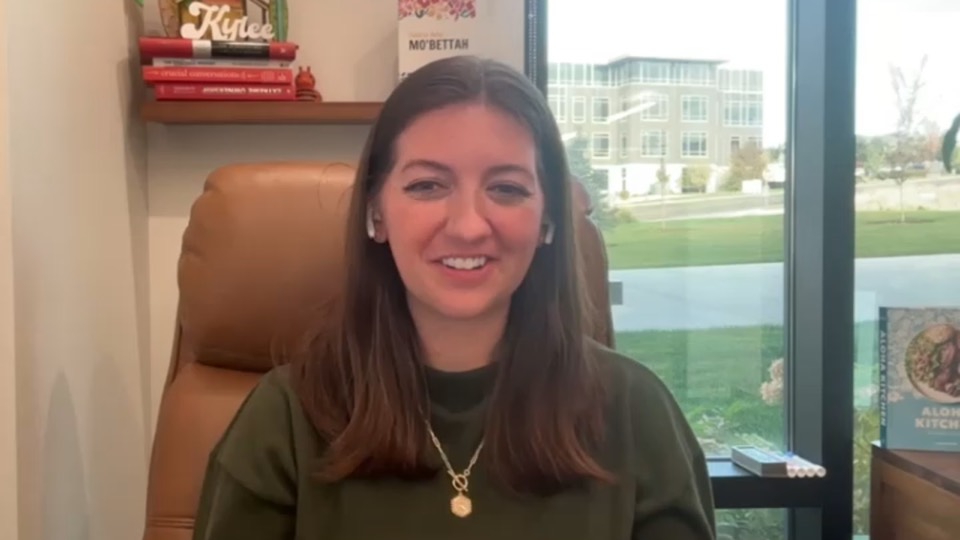
Kylee Arreaga, VP Marketing at Mo' Bettahs, is the guest on episode 83 of the Restaurant Tech Trends podcast, hosted by Justin Foster.
 Play episode
What Kylee and Justin discuss
- How Makana Rewards went from roughly 300K members when she joined to 750K+, and the surprising channel that drives the BIGGEST signup spikes
- "Friends and Ohana": the two-day new-market opening playbook built on free mini plates, Spam musubi samples, and swag tied directly to loyalty signups
- Why she moved off a passive linked-card program, and the automated points reminders that drive incremental visits and spend-up WITHOUT adding discounts
- How DoorDash smart campaigns, Meta's new AI campaigns, and review AI strip out the biases marketers bring to their own data
- The "healthy tension" between marketing and ops, and why her team jokes they're really "ops 2.0"
Also in this episode
- Kylee's take on kiosks (she's a self-confessed kiosk fan), why a dedicated catering phone line has been so powerful, and where agentic ordering is headed
- Rapid fire - teriyaki chicken vs kalua pork, mac salad vs extra rice, her go-to order (with a secret twist), the most over-hyped tech in restaurants, and the one word that defines loyalty five years from now
Episode notes from the host
"You can have the best campaign, the best signage, the most compelling offer in the world, and it will do nothing for you if you don't get the ops team on board." TRUTH
Today on Restaurant Tech Trends I'm chatting with Kylee Arreaga, VP of Marketing at Mo' Bettahs, the Hawaiian-style fast casual brand founded in Utah in 2008 by founders who grew up on Oahu, now past 80 restaurants across eight states. Kylee joined in 2024, when Mo' Bettahs was at 50 stores, and now runs paid, owned, social, customer service, and Makana Rewards loyalty.
Kylee's energy is contagious, and I came out of this one with a serious craving for a mini plate. Give it a watch and let me know what you think
Shout outs to Ovation, DoorDash, and Meta for the guest feedback, reviews, and paid media love along the way.
Transcript
Full transcript (8,793 words)
Machine-generated transcript; names may be misspelled.
0:00 Hey everyone, welcome to Restaurant Tech Trends, where we explore restaurant technology trends with some of the industry's biggest movers and shakers in a rapid fire short interview format. This podcast is brought to you by Incept AI. Incept AI takes restaurant orders over the phone and in noisy drive-thrus with friendliness and precision. Learn more at Incept.ai. My guest today is Kylee Arreaga, Vice President of Marketing at Mo' Bettahs, the Hawaiian style fast casual brand founded in Utah in 2008 that's now passed 80 restaurants across eight states. Kylee joined the team in 2024 and she built marketing into a full service team spanning paid, owned, and social media, customer service, and Makana Rewards, which just surpassed 750,000 members. Her team has supported 30 plus, I think, store openings, including in new markets this year. Wow. Kylee, welcome to the show. Thank you so much for having me today. I'm so excited to be here. I'm excited to learn about all the terrific things that you guys are doing in marketing. I'm excited to learn about Mo' Bettahs and like get the word out to everyone.
1:15 So, let's start a bit about you joining the company. So, you started, I think, in 2024. You were just promoted to VP of Marketing. Yes. Tell us what drew you to the brand and how has your role evolved since you joined? Yeah, absolutely. So, I think the fun part is I moved back to Utah, lived in Texas for a while, moved back to Utah in 2021. And when this role came up, I mean, you can't live in Utah and not know who Mo' Bettahs is. And on top of that, being in Utah and well, I think from a corporate standpoint, it's kind of a small environment here sometimes. And so, I actually had some connections that were peripherally aware and had heard or had sort of worked with Mo' Bettahs at arm's length before and had always heard really good things. Specifically, I had heard great things about their discipline, their company culture, and just their growth, that they were really on a rocket ship. They were moving and shaking. And so, I was already excited about them. They were already on my radar. And when I saw the opportunity come up, I thought, I have to throw my hat in the ring. Like, I'm so excited. It's a place that I eat regularly. So, I wanted to come in, see what we could do, and was so excited that it worked out.
2:35 That's awesome. I love hearing that story, especially because it's been such a challenging environment for restaurants in general over the last several years with all of the inflationary pressures that we're feeling consumers are squeezed. Obviously, food costs have risen pretty dramatically in the last couple years as well. So, love to hitch your cart to a wagon that is going up and to the right. That's definitely the time to do it. Now, you oversee a lot. We talked a bit about that in the intro. So, when you joined, what did you prioritize first? So, you had the customer service stuff, social media. We talked about loyalty. Sounds like that's on a good trajectory as well. Where did you start and why? Yeah. So, for me, the biggest starting point was by far our Makana Rewards program, which is our guest loyalty platform. The reason being, for me, this is our loyal fan base. I can learn the most coming in as the outsider and new person to the brand from what our current customers are already saying, experiencing, loving about us. There was also a lot of low-hanging fruit in this area. My predecessor did a great job setting up the program and giving me a very solid foundation to come in on. For me, it was, okay, now how can we tweak, refine, and do more? Again, they're our most excited customer base.
3:55 That's the group that I want to make sure they have the best experience. We're leaning into what they know, love, see, and continuing to build out and prioritize that section. After that, I would definitely say the big one for me was really going into brand voice. Movedas is so unique and special. I think one of the things that really sticks out about us is who we are, our history, and authenticity. Yes, we were started in Utah, but these were from founders who grew up in Oahu. And so for that, it was really leaning into our social, our customer service, because that's where our brand voice and the more one-on-one and personal interactions can happen. So making sure the brand carries through. And then I would say lastly, and also equally important though, was leaning into that paid side, getting that built out. That's our main traffic driver. That's how we get in front of people. And especially as we're going into new markets and opening new stores, that's how we get the word out. So I would say in that order, it really went from McConnell Rewards and our most loyal guests to branding via our organic socials and our customer service, and then paid to get that same store traffic sales continuing moving. All right. I think we're going to talk about this a little bit more later, but since you just mentioned it now, I am curious on the loyalty side.
5:14 You said your predecessor did a great job. What are some of the tweaks that you made and what is the most successful way that you attract new loyalty members? That's question one. And then second part is going to be more on the paid side. We have like chat GPT ads. Now we have a lot of brands that are leaning more heavily into like first party ordering. Like what are you guys doing? Are you experimenting with any agentic ordering? Or are you doing any like, you know, chat GPT ads or anything like that? How's it working for you? Is it on the horizon? So two different questions. I'm curious. Okay. Yes. Okay. And I'm actually going to tackle them in reverse order. So with our, how are we tackling ads? How are we doing paid? What's our, our, our viewpoint on that? I would say for me, actually, one of the more interesting ones that we've been leaning into, DoorDash has started in our third party space, has started more recently in the last couple months, launching smart promotion campaigns and smart campaigns that are tackling. So it's taking a lot of the manual efforts out and really letting their algorithm, they know those customers lean into it. And why I think it's so interesting on our side is because third party is a bit of a walled garden, right?
6:33 We know what we know from our loyal customers, but when they go to third party, we don't see a lot of that behavior. I don't know. I can tell who's new and who's returning for us, but I can't see really what they're doing. DoorDash owns those customers in that environment. So in that regard, specifically having some of that AI, that more systems centered smart campaigns is very interesting and intriguing to me. And I've been really excited as we've been tinkering with it and testing it and seeing how it reacts and behaves compared to when we're doing our best guess based on the limited view we could see of those customers. Additionally, on top of that, Meta's also just released some new AI centric optimizations and campaigns. We have not fully launched one yet, but I'm excited to test it. And it's definitely one I would like to test. That one's always interesting because we do have more control over those audiences, right? We can set interest base. We can also upload our own customer data through Facebook's privacy. And it's just interesting to actually see what they lean into, given we can actually hone a bit more and give it some more guardrails compared to a third party and say, hey, this is not who we want to go after, but let's actually see what your AI does.
7:54 Let's see. You know these Facebook users. And especially because they cross Facebook to Instagram, too. Like, what are they doing cross platform that we might not be seeing on our site that you guys can help optimize? So that's one that's been fairly recent, at least as of our recording date, too. So it's been recent. Hopefully, by the time this launches, we'll actually have a chance to get out there and test it more directly. But I'm excited. It's done so much for streamlining and improving. And to me, it gives... So I have a paid media manager, and she and I obviously work very closely. But it gives us a way to look at our paid media approach while taking out the bias that we don't always realize we're putting into it. So yes, we have behaviors that we know are happening. But it's also so easy on our side to, like I said, get comfortable. We know this data because we live in this data. And then also, it's really easy for us to then apply it across the board. Hey, we know our loyalty members behave this way. So that must mean all our customers behave this way, which may not be true. And it's an easy bias to slip into on our side. And using those AI tools helps remove some of that. It makes it a little bit more or less emotionally attached and can be that eagle eye of, hey, we're so far in the weeds sometimes, we're not seeing the 10,000 foot view.
9:16 So really excited about that. Excited to keep trying that stuff out. Sorry, that was a little long-winded. Maybe more than you wanted to hear, but I love doing that. On the flip side, talking about new customers and how do we attract and how do we get in front of them? Specifically for loyalty. For loyalty specifically. Yes. Us, it's a lot of making it as easy as possible. People want convenience, right? They oftentimes want to be part of our program. They want to earn points, but they want it in the most simple and smooth way as possible. So getting them to say, hey, you've been here now three or four times. Go download this app. It's better. Making that process as intuitive and seamless as possible is big on us, which means making sure there's signage at the point of sale when they're checking out. Making sure that there's table touch points of here's how to actually download the app. Here's a QR code that will take you directly to it versus just telling you, yeah, we have an app. Go find it in the app store. It's hard. What's your number one source of signups? Is it the tabletop QR codes? Yes. So we do that. When we run our social ads, we actually get quite a bit of traction there. And I would actually say our number one media channel, funny enough for it, is actually our events.
10:36 When we go out and run events and can interface with people directly, that is absolutely by far when we see the most pops in our signups. So for example, when we do new store openings and we're able to interface and we're able to actually weave that into the component of the event itself. Hey, sign up and we'll give you some free swag. Something like that where we also give them a very tangible, quick payoff. That actually works so well for us. Yeah. Oh my gosh. Well, there's just so much going on in loyalty right now. There's a lot of innovation going on in this space. I think we could probably spend an entire podcast talking about nothing other than loyalty. But I do want to move on. We're kind of going off on a little bit of a sidetrack. But I have one more sidetrack question for you. Yes. Which is agentic ordering. So like you've got Muse that's out. People are using Claude. People are using ChatGPT. Yes. We don't really know yet if consumers are going to be trying to order. Like meals in these channels. Yeah. Any type of scale. What is your view on this specifically? Are we like early innings? Do you think this is going to explode? Like third party delivery exploded, especially during COVID. Is this like a hype little thing? It's just going to kind of go away. Like are you guys leaning into that or kind of waiting to see what happens?
11:55 So we're, I would say early stages of exploring. This is one that I definitely would rather be an early adopter than be left behind. I do think this is one that will continue to grow. I don't know that it will see the boom quite as quickly as third party did. But I do think this will grow. And I absolutely think there will be a dedicated niche audience that once they discover this is a possibility, this is where they go. Because they already like working with AI. They like working with their cloud. They like talking to Alexas and Siri's and the chat GDTs. And especially those guys, once they build that behavior in of, hey, now chat knows exactly what I like to order, where I like to order from, what my regulars are. Absolutely. It's easy. It's convenient. It's what we talked about. It's streamlined. So I do think this is a big sector that will continue to grow. And I'm really curious to see what it does for both our first party apps and third party. Me too. I'm really, really curious to see how this evolves. Like obviously you save on the commissions if you're able to get. Yes, absolutely. Through your own channels. So we'll see. You talked a little bit about events and giving swag away. Drive loyalty signups. As mentioned earlier this year, I think 30 plus openings.
13:15 You have a unique concept, right? This Hawaiian concept is not something that I think is common everywhere. And you've entered new markets. I think Phoenix, Indianapolis and Minneapolis are the ones that I have in my notes.
13:28 How is it events? Is that how you do it? Like how do you introduce this brand and this concept into a new market and get people excited about Mo' Bettahs and what you guys are all about? Yeah, I would say. And of course we have paid strategy and do more of, I would say, your traditional or expected mediums. But one of the things that I think Mo' Bettahs does extremely well, and I also know I benefit, like I said, my predecessor actually set up a lot of the foundation of this. And since then we've been able to tweak and reform and make it even better. But like I said, would be remiss not to acknowledge they were pretty on top of it even when I came in in 2024. But it's these events. So what we do is we run a Friends in Ohana. And we treat it differently. So in our existing markets where we have more of an established footprint, we do one day before the grand opening, which is just, hey, we're open for business, regular menu, all that. In our new markets, we've actually doubled it and we'll do two days of Friends in Ohana. And what this is, is it's a lunch and a dinner period where people can come and actually get our pre-selected plates. So it's our customer favorites, but it is a free mini plate. So you get the full two meat serving, scoop of rice, scoop of mac salad. We also give out samples, which is a great way to get people accustomed to our menu.
14:48 So, for example, we give out our cookies, which is great, right? Everyone loves cookies. But additionally, we also serve Spam Musubi, which, and I'm not sure if you're familiar. Are you familiar with Spam Musubi at all? I am only through my research of you guys, but if it wasn't for that, I didn't know. Yeah, it's something different, right? It is. We get a lot of customers that have never encountered it before, have never seen it, don't understand it. And so for the audience that may not know too, it's rice with furikake, which is a seaweed seasoning mixed in, and then fried Spam glazed in teriyaki sauce and wrapped with nori. So it kind of feels sushi adjacent, but also very accessible. It's not raw fish or anything. But for that, it's intimidating for a lot of people. They don't know what it is. And so, of course, why would they spend money on it or increase their check for an item that may or may not be good? They haven't encountered it before. So being able to sample those things and give people a taste of it at a very low risk, bars down here on the floor, if you don't like it, there's no worries. And that's what we tell our guests too. Hey, try it out. If you don't like it, you're not hurting our feelings at all, but it's a chance for you to explore some of our menu at a very low risk. We also, like I said, give out merch is what I mentioned earlier. And I've started tying it to loyalty signups too.
16:03 Hey, come sign up. Show me you downloaded the app or have signed up for our loyalty program. You can get a hat. You can get a 12-ounce sauce bottle. It's a great way to give an instantaneous reward while also for us helping build our program and getting people accustomed to the loyalty program early. It's great when they're already invested in exploring us to get them signed up right there in that moment, then try to do it three, four purchases later. Love it. Let's, I do want to talk just a little bit more about loyalty, but let's talk about the growth of the program. You're, you just passed 750,000. What were you at at the beginning of this year? Like how quickly is this thing taking off? Oh yeah, we've grown quite a bit. So we were closer, just shy of the 600,000 mark. Wow. And before, yeah, so we've grown quite a bit. We were closer to, I want to say it was about 300 when I first came on. So it's about doubled since I've joined. And really, like I said, it's, it's stuff we've mentioned. Giving people those in your face, but also streamless and taking away as many steps as possible to let them know we not only have a program, but here's actually how to access it. Awareness is only half the problem. Getting them to do the additional steps is harder. And that's why we always say in our marketing team too, for every additional click, button press, you know, that you're going to lose that many more customers, the more steps they have to take to get to the final result.
17:29 So as much as we can streamline it on, on our side, the better. Additionally, some of the things that we've been doing. So for example, brand new this year, we're doing a week of rewards. This is brand new. We're on day three of it right now. So first time we've ever done it in the history of our program, but it's a way to celebrate and get people. So it's a fantastic twofold program for us because yes, it helps us drive same store traffic right now, actively in the middle of week of rewards. But on the flip side and leading up to it, all of our pre-messaging and our pre-marketing has helped increase signups. We've seen about a 10% lift in our signups just in the two weeks ahead of time when we were promoting it. So finding ways to make customers feel good about what they're doing. And like I said, make sure that the rewards feel easy and accessible and attainable, but also we're happy you're here. And this is why you're here. And we want to help reward you and make you feel good and comfortable to help build that habit early in your buying. When you've got someone that's actually in a restaurant, this is a very tactical question. Is there a script that you guys use for the crew members to get people to sign up? Like if you found one script to like be better than another or you leave it mainly to the guests?
18:48 You know, that's always a really good question. And of course, Ops is so critical to the success of our program too. Again, we can put as much signage as you want. Yeah, we could put it on the door. We can put it on the sneeze guards as people are going by. We can put it on the POS. Nothing beats out an in-person conversation. So completely hear you and would agree that getting that actual human touchpoint is so critical to our program. What we have found is point of sales key. We've tinkered around and had some people at our wheel position, which is kind of our early first initial position when you're stepping up to the line. We've had some call outs earlier on. And what we've found is, hey, it's right at that point of transaction talking about it is what matters. And on top of that, what we've also worked on recently too is more POS actual like frames and signage. So as they're looking at, here's my total. This is what I'm seeing on the screen. It's both called out there. And then having the person at the register actively ask, hey, do you have rewards? Would you like to check in today? And making sure that is a vocal, consistent checkpoint. And it's not easy. I would definitely not say we're perfect at it by any stretch, but it's so critical. Does the person at the register have the ability to get them to sign up or do they need to get the app to sign up first?
20:05 Yes. So we are actually actively working on that improvement right now. So we just switched over to a check-in process just within the last two to three weeks. Previously, we were on a linked card process. So if you hadn't signed up for your card, which was great. What I didn't love about the program that way was it was passive. You didn't actively have to be thinking about the program at all. And so, therefore, we had a lot of members through this method that we found that would rack up points, but never earn them, never engage with us, never read emails. I believe they probably signed up, set their card, and then never thought about it again and just forgot they were a member. And they were earning points, but it was very passively. With this check-in, now we found that they do have to be more active and aware, both our register and the actual customer themselves. So it becomes a much more active program. If they do not, by bringing it up, hey, would you like to check in? As of now, right this second today, they do have to go download the app, but can do so and get points for their current order. The process that we're actively putting into place is if they provide the number at the POS, it will actually trigger a text message so they can click the link, download, and it's a one-step easier path going forward. Got it. That makes sense.
21:20 So would you like to check in is the hook to get them to say, yes, I'm going to, or I want to sign up. Do you, if they say like, oh, I'm not going to, do you offer them something like, hey, if you come back the next time, like you're going to get some free item? Or do you share like a benefit at that moment? Or do you just say, would you like to sign up? Yes. And so all in our signup, so both in our script, I would say, and actually our physical signage in store, how our program works is, hey, you spend with us, spend more than $10 on your first purchase, and you can get a free mini plate on your second return. So it's a really great, easy offer because it's like, hey, you're already here and spending right now. So you could actually earn a free mini plate with the purchase you just made, which makes it a really easy, and like I said, that quick, tangible, this is the reward if you take this step really shortly after we've just had this conversation. So I think the way we structure the program has also helped us encourage that signup in a very timely manner. Okay. I want to keep going here because there are a lot of listeners that are struggling with building winning loyalty programs, and it sounds like you guys are really onto something. I think where I see a lot of brands struggle is they don't really understand the lifetime value of a loyalty member compared to someone that's not a loyalty member over time.
22:44 Or, you know, the points that are being given are, you know, there's a cost to loyalty, right? Yeah, absolutely. I think that's something a lot of people don't talk about is there is a cost to running a loyalty program. How have you, so first of all, I'm just making this assumption, I probably shouldn't, but I'm making the assumption that the lifetime value of a loyalty member is greater than that of a non-member. How are you leveraging the data that you're collecting to optimize both the points that you're giving out and the rewards that are available over time so that you can keep loyalty as like a profit driver rather than a cost? Yes. Okay. Oh, mine went in so many different directions. But I think one of the best ways that we have discovered, and I would say it's still an evolving process on our side. About a year to year and a half ago, what we found, to your point, is there's a cost to loyalty. And even if they're not actively spending it, even just points actively sitting and collecting dust in the program is liability that we have to account for. And so how do we, exactly, how do we keep moving that forward? One of the best ways, and this was such a great discovery on our side because it was a dual benefit, really, was finding automatic points reminders for our group.
24:02 So, yes, not only are they actually accumulating points, but now we have automations. So not even based that our team has to critically be looking through and manually pulling audience segments every week, but rather when you hit certain triggers. So say you've earned 150 points. Well, that's a regular plate in our system. And it sends an email and a push notification. Hey, you have a free regular plate. And it's great because for them, they're seeing free food, which means an incremental visit for us, where often because they'll get the free entree too, they're more willing to spend up on the additional check drivers, like a drink or a musubi or a cheesecake for us. Because why not? The main meal's already there. So incremental visit and we'll get a spend up, even though technically they're using points for something. Additionally, on our side, the benefit is they're just seeing a reward and something free where technically we're not necessarily offering some system-wide advantage, if that makes sense. This is something they've already earned from spending. But all they're seeing is, hey, I got something free. And then on our side, great, we just sent out an automated reason why they should come into the store this weekend without actually having to worry about, are we getting too many offers?
25:23 Are we sending too many rewards out? Because it's something they've just already naturally earned by lieu of the environment. Right. That makes sense. I want to switch off of loyalty here momentarily, even though this is one of my favorite topics, and talk about guest experience. And I kind of actually want to combine guest experience with customer service. It's a two-part question. Yes. So guests obviously can order through multiple different channels with Movetas. What are some of the things that you guys are doing to keep the experience consistent across channels? So that's like first part. And second part is customer service. I find it interesting, and I like how you have customer service rolling up into marketing. I like to hear how brands are leveraging technology to collect guest feedback and how and where you're drawing the line in terms of like, does AI handle it? Does like a person handle it? When do you decide to make the tradeoff? Is everything human reviewed? So two questions. Yes. How do you keep it consistent? And second is guest feedback. How are you automating, optimizing that? And where are you using tech and where are you using people? Yeah, absolutely. So I do think consistency, and especially in your first-party pickup or third-party delivery space, I mean, that's one that, yeah, it's a challenge.
26:43 Like, we're no different in that it's a challenge. And I feel like the industry in general is a hurdle that we're constantly battling too. And the hardest part is because it's out of our hands, especially in the delivery realm. And if it's their first time buying, you know, their first experience might be a bag on the doorstep that was handed off 20 minutes ago. And how do we, to your point, make that feel good, make that feel consistent when they're not in the store and feeling the atmosphere and getting a face-to-face interaction from our customer? For us, it's really leaning into what we can control. One of the big ones is the menu experience remaining the same across the board, which sounds simpler than it is, surprisingly. Well, yeah. Well, especially because you've got a lot of these third-party marketplaces, you don't offer them. A lot of brands don't offer the full menu. Exactly. And because our specific setup is similar to other brands where you actually build your custom plate on the line based on what are the proteins you want, what are the sides you want. You technically can sub white rice for mac salad or mac salad for two scoops of rice. And making sure that that's still a streamlined approach versus a pre-built combo like some other restaurants are able to lean into. So for us, it's how do you streamline and make it consistent where they feel like they still get the same level of customization, but in a way that makes sense and is very logical step-by-step flow, making sure we're still offering the same things.
28:10 And then additionally, too, it's easy when we've got a rush going on, too, to deprioritize the digital orders, right? Because they're not the people that are standing in front of you. So it's easy to kind of push them aside and say, hey, we'll get to them when we get to them. And making sure in our ops and our training that that first party order that's coming in for pickup is just as critical as the person that is standing in front of the line. And yes, we want both experiences to be good, but we want to make sure that, hey, when we tell them your plate's going to be ready in 10 to 15 minutes after you order, it's ready in 10 to 15 minutes after you order. And so keeping on top of that from an operation standpoint, like I said, we're definitely not perfect at it, but it is something that we continue to try to chip away at because it is. It's so important. And they're an important part of the customer base. Before we get to the guest experience, I want you to pull back the curtains a little bit because this is a place where marketing and ops tend to battle. Yes. In making sure you have all the modifiers, all the customizability, and all of the channels, especially you've got the rush and you want to streamline and make things super easy. It sounds like you guys are leaning more toward the customizability and ops is just cool with it. Is that right? Did it play out that way? No, it's actually great.
29:28 I have such an excellent operations team. And honestly, my team jokes that were like, yes, marketing is absolutely its own independent branch. But very much at the same time, there are several days and weeks and campaigns that feel like we're just ops. We're ops 2.0. We're an extension of it. And to your point, I would say if I had a philosophy, especially being in this industry, that I would get on my soapbox and preach about. You can have the absolute best campaign, best marketing, best store signage, most compelling offer in the world. And it will do nothing for you if you do not get the ops team on board with you. Their buy-in is so critical to this working. So to your point, yes, we lean into the customizability. I want it to be the exact same choices you have on the line as you do in our app. That said, if we're making optimizations, improvements, changes, I can't go do that in a silo. I absolutely work very closely with our in-store training team. And to your point, there's healthy tension. There's absolutely time where I'm like, great. It's digital. Let's flip this on tomorrow. And they'll say, whoa, whoa, whoa. You can flip it on tomorrow. We're not doing this.
30:43 Like the stores have to have time. They have to understand the why behind we're making this switch. And then how that actually looks in the tickets that they print. So that way they can execute it well. So like, yes, it might be easy on your side, but we want to make sure we do our due diligence on our side. And so like I said, it's a healthy tension, but I honestly so appreciate their pushback because like you mentioned, and we're just about to transition into customer service also lands in our realm as how our organization is built. And so to that point, if I go flipping levers on my side being like, yeah, ops will adjust. Just all here, it circles right back around the marketing through the customer service side of things. So yeah, it's a really intense but critical partnership to make sure that our experiences are aligned and that the stores know exactly what to expect and how that translates for them in terms of ticketing, timing, and the systems and platforms they use in store. Great, cool. I love it. Now let's talk about guest feedback. So how are you collecting the feedback? Are you using like a guest feedback management platform? How is that working? How are you leaning into technology there, you know, to acknowledge the customers that have legitimate complaints? How are you flagging them versus how much are you automating?
32:01 Where do you draw the line? Yeah, no. And this is great because like I said, this is also one that again, it lands in marketing, but it's so operations focused too that it relies on such a tight collaboration between marketing and ops to make sure this is working. We use two tools primarily. Ovation Up is one of them. That is the direct survey that they get. I was going to say, I'm sure. Well, and you've talked also with Savory Side. I was like, I know. I know you've probably heard of this one. Yes. So I was like, you've probably heard of this one. They're great. We love using them. It's fantastic because not only does it send a text message to your point right after you're making the purchase. How was it? Let's hear about it. Let me give the survey. Was it good? Was it bad? And if not, why? It gives us great win back opportunities. And the really cool thing about Ovation specifically that we've found success with is that the way that the platform is actually set up. Yes, our team. So I have marketing people on my team that actually help with Ovation, but mainly it's in the support role, like a secondary support role. And we actually empower a lot of our district managers and our general managers to own the win back and those direct complaints, misalignments, poor experiences.
33:17 Directly through Ovation themselves, because at the end of the day, they were the ones that were there either present in the store or know the people that are being referenced or know what might've happened contextually more than us here at the home corporate office. And so empowering them to help take their own steps to improve their store experience, it also makes them more in tuned to what's going on directly at their own store level. And then, like I said, our team is there to help support though, because likewise, there are ones that do happen sometimes that need a little bit more oversight or an additional step in to help route to the right and appropriate people. The other great thing, other tool we use very hand in hand is SOCi. We use them. It's our, I would say, maps management tool. It helps us with our location pins, but also it's a good aggregator for Yelp, for TripAdvisor, for Facebook, for Google reviews. So we get them all aggregated into the same point. And then to your point, both of these platforms have actually increased quite a bit in their AI offerings and being able to aggregate some of those. So we can see the insights much more quickly and streamlined. Like I mentioned earlier, it's easy.
34:33 Sometimes I, as much as I love to pretend I'm completely unbiased all the time, I'll come in looking at, okay, where's our sentiment scores? What are the common complaints that we're seeing or problem areas? And I already have a couple stores in the back of my head that I know some context that I'm bringing into looking at the data already. And so unintentionally biasing it towards, I'm looking out for maybe this specific market or this specific stores because I'm expecting to see a problem. I think these AI tools, both on SOCi and Ovation are really great at helping me strip that back. Hey, what are the true problem areas? And maybe it's a store that I do like to visit. Maybe it's a store that I am closer with the GM or DM. And taking out that personal bias to actually show this is what's going on real time. Here's a rise in a problem area that you need to correct. And vice versa. Also, here's stores that maybe were a little bit more in the problem spot, but have increased or improved significantly in the last four weeks. And whatever process we're doing there does seem to be working, which is great. And why I say it's so important to connect with the operations team so closely on this, because we're able then, my team is able to then give them much more live up-to-date feedback of, hey, these are the stores we're seeing actively improve.
35:55 What changes you're making at the ground level are working there? Vice versa. These two, three stores are still staying in the exact same ranking pod they were in before. Or we're seeing the same amount of complaints in these trends coming through. We haven't quite hit the nail on the head of fixing this. So we need to take a deeper, closer look. So truly, I think those platforms have streamlined incredibly what we're able to do. And especially to your point, as stores continue to grow. When I came in, it was 50 stores. Now we're at 80. We have a small, scrappy team. We don't have time to sit there and look through all 10,000 reviews that are coming in all at once. And so being able to aggregate those trends is so incredibly helpful.
36:40 Just a quick side future look. Can you tell us what the plan is for 2027 growth? How many units do you want to have out in 2027? Yeah, absolutely. So we are going to close this year at opening 18 stores. Planning to maybe increase that just a little bit next year. So we'll see.
37:03 Development's always interesting. But I would say some of the ones too. We opened three new markets this year that have all been incredible and great. So Arizona, Minnesota, and Indiana. We're excited to keep looking at that market specifically. Those markets have been great. And so, like I said, definitely growing up. It's a surprise question. You don't have to disclose anything. No, exactly. I was like, that's a... But definitely going to be opening some new units. We will keep our events team very busy next year. Right. Before we move into just like general industry future look, I want to ask you a bit about guest-facing technology. So there's obviously point of sale. You talked about the QR code you can scan on the tables.
37:47 Kiosk is another one. And then phone ordering. I don't even know if you guys take phone orders. But what are your thoughts on kiosk in the hospitality space? Like ads to hospitality? Yes. And then phone ordering. Is it there? Or does it kind of like take away from the guest experience? Just I love to ask people their thoughts on these two in particular. No, absolutely. So currently right now, we do not have any kiosks in our store. That said, it's actually an area of interest that I would like to explore. I can't sit here today and commit to like by 2027, we're going to have this. But I do expect it's an area that we will test here within the next year. Whether that goes to all stores, certain markets, whatnot.
38:34 To be determined, we're still feeling out a couple different softwares, different equipment providers. But I am very excited about this. It's one that for me, I actually tend to prefer kiosks. So call this one a personal bias. But I know I use that when the offer is given to me. Yeah. I tend to float directly towards kiosks. I think they perform a lot of good work too. In the sense that, especially with our new customers, that's one. I think feedback that I wouldn't say is unique to us, but more of the industry is. Sometimes there's that pressure when you're coming in as a new guest. And especially if there's a line or there's people behind you of, I don't know what to order. I'm not as familiar with this menu. And I've got to make a choice. And is this the right choice? How do I build my plate at Mo' Bettahs? What are the preferred meats? And I don't want to hold up the line behind me. What I love about kiosks specifically is it gives that customer more time to actually explore the menu. I think for us in particular, based on how we're set up, in order for kiosks to be successful with us. And like I said, I do want to test them. It's making sure the photography and the actual plate builds are so clear. Like I think that is such an important step for us to be successful in our space.
39:50 Because to that point, we have teriyaki chicken. We have a spicy teriyaki chicken. We have palayhu. I'll tell you right now, most people are not familiar with the term palayhu chicken or what does that mean? And so those visuals are really key in helping people understand what the differences are and making those more digital first platforms successful. So very excited to get into kiosks. Don't have them yet. But I actually do think it's a very powerful tool that I do expect to see more stores and restaurants and different industries getting into. I think it's very powerful. Cool.
40:26 And how about on the phone ordering piece? What do you think about that? Oh, yes. That can't bifurcate people as well. Yeah, absolutely. So when you say phone ordering too, are you thinking like actual calling? Yeah, like people like calling on the old school telephone. Like, yeah, I want to order this, this, that kind of thing. Yeah, absolutely. So I will say, actually, one of the interesting things with phone ordering, we do get a couple orders from an individual standpoint where the tool and that medium is actually most helpful for us is catering. And the reason why, it's actually a channel. We built out a dedicated catering phone line for this. It was right at the end of 2024 or beginning of 2025. So it's been a little bit. But to your point, most people, when they're calling for catering, they need a little bit of guidance. And again, they want that low pressure. Large order. Yes. Like special things. Exactly. Where to like get it, like special ways it needs to be done because of an event. A hundred percent. Exactly. I've got people with these dietary preferences. Hey, I don't usually have 35 people at my house. I'm not sure how much food I need. Can you give me a recommendation? And what are your most popular and how is that set up? Especially with our catering program. You know, it's like we offer all different kinds of setups too.
41:43 We have a more formal black shirt, you know, white glove service with weddings. But a lot of people don't need that. And if they're doing, hey, I'm just doing a backyard family reunion gathering. Great. We've got a version that's a lot more casual for that too. That's not self-serve. You can just pick this up and go. So yes, I actually do think phone is extremely powerful. And especially in the catering space, having that individual be able to talk to them in what feels like a low pressure environment, but more of just an educational, hey, this is what I think you need. And these would be my recommendations. That has helped our success in that specific sector of our sales tremendously. Okay. Sounds good. Well, we're almost to the end of our interview questions here. I just have one more before we move into our rapid fire segment. Tell us, look five years into the future. Okay. What does Mo' Bettahs guest experience look like five years from now compared to today? Is it the same? Yes. More techie? What's changing? Format of stores? Tell us. Okay. Yeah. Love it. So again, I feel really passionately about our brand and who we are. So not looking to revolutionize anything. I love who we are. And I think this is great. And we resonate with a core audience that we love.
43:00 And our brand and our history is so essential. That said, I do think there's absolutely room for tech refreshes and improvements as we go. For me, one of the areas I think our team has the ability specifically in marketing to keep leaning into is personalization. Our personalization right now is fairly minimal. I think there's just a lot more space that our group can be leaning into as a marketing entity in Mo' Bettahs. And I would love to see that five years in the future that we're a lot more personalized. Like we talked about, we've got some basic behavioral automation triggers. I would love to start building in as these agents get smarter and more in-depth and also more naturally integrated into some of our POS systems, into our online ordering platforms, that it can personalize even more deeply. Hey, we know this person orders around this time. So let's send some triggers to them 20 minutes in advance of when we know they typically start thinking about food. Hey, we're guessing this person has two to three kids based on what comes in their orders. And we've got some new items that they might be interested in in our cakey or kids meal space.
44:16 Let's make sure we talk to them about that. And automating and streamlining some of those based on their behavioral triggers. Like I said, we know we have a lot of lifecycle-based ones right now. I think actual ordering behavior ones can get more and more personal as we go. And that's where I would love to see our brand evolve five years from now. All right. I love it. I think, you know, another area that I'm really interested in is doing the contextual personalization around, I mean, certain items are ordered more frequently, certain times a day. They attach well with other menu items and figuring out like combining with the order history. Like, should you offer like one item for an upsell or another? I think there's a lot of ways. Exactly.
45:03 Well, I have a few more questions I want to ask you, but unfortunately, we're kind of running out of time here. So we have to move to our rapid fire segment. So for everyone that is watching or listening, Kylee, I'm about to ask you a series of questions. You have no idea what these questions are because I've not shared them with you in advance. You should try to answer each one of these questions with one word if you can. And if you can't, try to answer it with one sentence. Are you ready? I'm so ready. All right. Question number one. Periyaki chicken or Kahlua pork? Oh, Kahlua pig. All day. Okay. Mac salad or extra rice? Mac salad. All right. What is your go-to Mo' Bettahs order?
45:51 This is... Okay. Can I tell you a secret? Sorry. This is already longer. I'm like, I have two. If I'm being healthy... Is it all menu? Yeah. No, it's not. I was going to say, it's based on my personal goals for the day. If I'm leaning in... Okay. I'll go this way. If I'm leaning in and I want my preferred comfort plate, this is what's going to make me feel good. Kahlua pig, katsu, mac salad, veggies, or steamed veggies. That's my build. If I'm like, okay, I need to be a little healthier today, which does happen, then I get all polehu chicken, rice, veggies. All right. Love it. I'll have to try it. Next time I'm going to come in a MoBeta. Do it. The comfort one, though. It's so good. You know, that's another thing we didn't talk about with the kiosks, but there is also the guilt factor. You know, people, sometimes they want more calories. You know, kiosks. Oh, absolutely. Yes. Okay. What is the most overhyped technology in restaurants right now, in your opinion?
46:51 Ooh.
46:57 Okay. Tweaking a little. I wouldn't say overhyped, but difficult third party.
47:03 Like just that whole entity is tricky. The black box nature of it. Yes. It really does. Yes. All right. And last one. Finish this sentence. Five years from now, a loyalty program is blank.
47:24 Responsive.
47:27 I like it. Very cool. Well, Kylee, thanks for playing along with our rapid fire segment. I've really enjoyed chatting with you here today, learning all about your guys' amazing loyalty program, by the way. Anyway, I just love your energy. Just such a positive person. No, I loved it. At the end of this interview than at the beginning. Everyone, Kylee Arreaga, Vice President of Marketing at Mo' Bettahs. Thanks, Kylee. Thank you. You're welcome.