Episode 78 · October 16, 2026
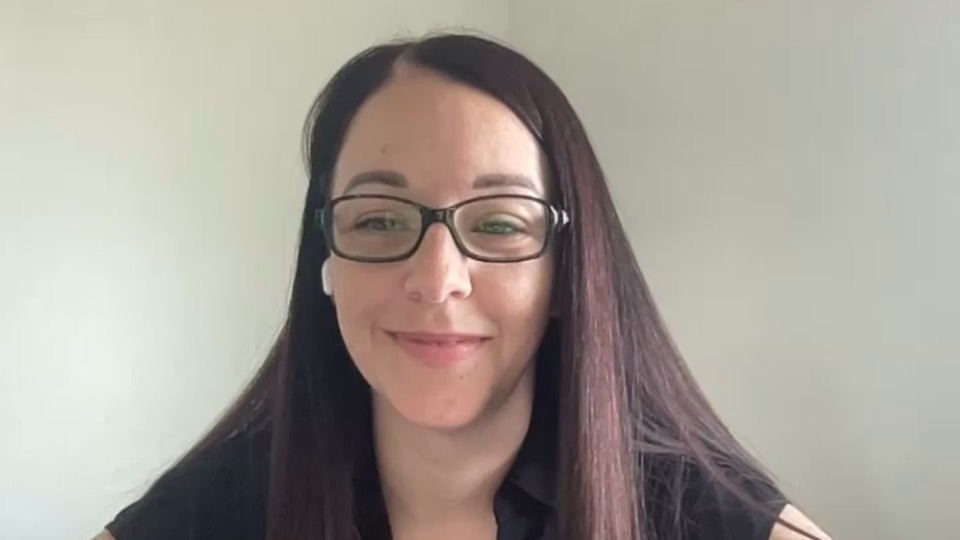
Lisa Roscoe
CEO · Pizza Factory
Lisa Roscoe, CEO at Pizza Factory, is the guest on episode 78 of the Restaurant Tech Trends podcast, hosted by Justin Foster.
 Play episode
What Lisa and Justin discuss
- What her franchisee listening tour REALLY asked for (hint: not new tech), and how it became the brand's "back to basics" push
- Why 80-90% of the leadership conversation is franchisee profitability, and the org change that put more boots on the ground
- The PAR rollout: choosing the POS WITH franchisees instead of for them, and walking back a promise she made on the convention stage
- All-in-one vs best-of-breed from someone killing off 16 different logins
- Where she draws the hospitality line on AI phone ordering, kiosks, and dynamic pricing, and her #2 way to lose a guest's trust
- <Spotify episode link>]
Also in this episode
- The rapid fire round, where Lisa reveals her go-to Pizza Factory order, delivers a very Canadian verdict on pineapple, and finishes "five years from now, the hometown pizza place is ___"
Episode notes from the host
New Restaurant Tech Trends is up, and this one's a hometown favorite! This week I'm talking with Lisa Roscoe, CEO of Pizza Factory, the West Coast hometown pizza brand with ~110 restaurants in the mountain, seaside, and Main Street towns most chains skip - so local that plenty of guests don't even realize it's a chain. Lisa came up through franchise law and real estate at Tim Hortons, St. Louis Bar & Grill, and Outfront Media, but she's been working in restaurants since she was 16, from the Hard Rock Cafe in Niagara Falls to waitressing her way through law school.
Shout outs to PAR and ezCater for the tech stack love along the way.
Transcript
Full transcript (9,345 words)
Machine-generated transcript; names may be misspelled.
0:00 Hey everyone, welcome to Restaurant Tech Trends where we explore restaurant technology trends with some of the industry's biggest movers and shakers in a rapid fire short interview format. This podcast is brought to you by Incept AI. Incept AI takes restaurant orders over the phone and in noisy drive-thrus with friendliness and precision. Learn more at Incept.ai. My guest today is Lisa Roscoe, CEO of Pizza Factory, the West Coast pizza franchise founded in the West Coast in 1985 with around 110 hometown restaurants and approximately 100 million in system sales. Lisa took the job in summer of 2025, months after Wonder Franchises bought the brand and spent her first weeks on a listening tour of franchisees. Before Pizza Factory, she built franchise and real estate development muscle at Tim Hortons and St. Louis Bar and Grill and most recently led real estate development for the West Coast at Outfront Media. Lisa, welcome to the show. Thank you so much for having me. Excited to have you here. We're going to talk pizza. We're going to talk expansion. It's going to be fun. We're going to have a great time. But before we talk about that, I always like to learn about how people came into restaurants and how people came into leadership positions and you have a bit of an unusual path to the top seat. You came up through law and real estate. Tim Hortons, St. Louis Bar and Grill, as we mentioned, out front media. You were not on the operations side, though, which I found to be very curious as restaurants, as you know, are an incredibly operationally intense and ops driven business. So I'm curious, first of all, how does your lens with your background give you a perspective that adds value that you wouldn't be able to get if you were a career operator?
1:55 That's such a great question. And yeah, I definitely took a bit of a weird route to get to the CEO seat of a pizza company. So that's that's very true. I think, I think for me, the legal side of the business has been really the legal aspects really valuable because starting in commercial real estate and then franchise law pretty early in my career, I got to see the intricacies of the relationship between franchisees and franchisors. And I think that that is something that you don't always see as an operator or on the marketing side. Greater or on the marketing side of the business when you're sort of just dealing with that one piece of a business. And it's franchising is such a unique relationship, right? There's so many rules, so many things you can and can't do, right? Joint employer always comes to mind. That's the one that people usually know about in terms of how much you can direct people and give guidance. And so I think having a really good understanding of that has allowed me to approach this in a in a really thoughtful way in terms of, you know, how best we can support our franchisees with. Being offside of anything that we're not supposed to be doing. I think the other thing for me is I did grow up in restaurants so although I was never you know VP of Ops I have been working in restaurants since I was 16. Oh yes the Hard Rock Cafe in Niagara Falls I managed the pub on campus at my university I paid my way through law school waitressing so I've you know I've been in multiple sides of the business I love it so much and I knew I would I just knew I would always end up coming back to it because it's addictive if you're in restaurants it's just highly addictive it's a it's addictive you know gosh I think people that have been in restaurants for a long time would agree with you but I certainly think there are a lot of people in this industry that would strongly disagree yes absolutely absolutely and scratch everything I said by the way about your Ops background I didn't realize that that's really really cool well we're definitely going to talk about franchisees in this discussion you talked about the unique nature of the relationship between franchisor and franchisee and when you started in this position I think one of the very first things that you did is you went on a listening tour what is one thing that you learned from your franchisees that maybe you weren't expecting to hear and what do you do about it yeah it was you know it was really interesting and I'm so glad I did it I learned a lot just from seeing the locations and from speaking with the franchisees and I think one of the things I was expecting was for them to ask for
4:32 change and so I think what was surprised me what surprised me the most was that the answer wasn't necessarily give us something new it was really help us get good at the basics again you know the focus and I you know part of that could be the timing of my taking over as well obviously 2025 2026 have been challenging economic years for restaurants in general and so I think the focus is more on you know the numbers and the operations and labor and cogs and all of those things versus big-scale marketing or brand stuff right now just because that's they're counting their pennies but I think there's always a temptation when you come into a new business especially as a CEO to have this like big agenda want to be rolling out new products and new tech and new everything and so I think what I heard was yes maybe we need those things and we want you to look at it but first just help us with consistency help us with simplifying our operations help us with executing the things that we already know are core to pizza factory success and we just we need to be able to do them at scale or maybe we've gotten so busy that we can't leave those the four corners of our restaurants to be able to get out in the community and do those through those things and so that became our back to bake back to basics pardon me focus which was the theme of our convention this year and it really did change my priorities I think in terms of what I thought I was gonna experience coming in versus where we ultimately landed when you talk about simplification what were the areas specifically that you saw it was this like supply chain labor management back office management like what where were like the big because there's a lot of things you can simplify but you got to prioritize and focus on certain things first what were the big ones that stood out to you as glaring like we got to get our got to get a handle around this right now great question honestly all of them I think it's so easy to say literally every department you could you can look at it and say there's a way to do this more efficiently or better cheaper faster whatever the case may be but I think you know we had to focus in on what is going to drive the most value now so you know what's what do we do now what do we do next what do we do later what do we stop doing completely and when we talked about what do we do now the the biggest friction points for the franchisees were around supply chain and around the POS system being able to get to market more quickly with innovation or with deals coupons that sort of thing and then the big one that actually surprised me was how we were communicating with the franchisees as we grew and so I think we had tried sort of different portals and intranets and email and it's like
7:12 trying to figure out the best way to communicate with a hundred and a hundred and ten different stores that maybe all have different preferences about how they want to be communicated to was actually one of the biggest challenges because we weren't getting the information out to everybody in a timely manner or in a way that they felt they could easily digest it so that was that was actually so basic such a basic principle but really important because we have important things to tell them and they weren't always getting those messages so I'm curious on that one specifically where did you land and I asked this question coming from a place where I find you know a lot of franchisors will use like email newsletters and stuff like that to communicate with their franchisees but I always think of the restaurant business as a texting business because people are not necessarily sitting around their computers you know they're in the stores and they're you know out in the field you know moving from place to place and I've personally found like texting is the way to go in this industry where did you guys land on that one yeah I think where we landed was it's a you know probably a little bit of a mix and we're still working towards perfection but we did away with we did away with the online tools where people had to log into multiple things and you know some of your information's here and some of your we got rid of all of that um we went back to to using email for primary things but with a promise to our franchisees that we would put all of that information in one email once a week so that they're not getting bombarded so they know when to expect it every Monday afternoon you're going to get a weekly comm from head office um we also put together a really simple support portal that is just on a web page that has a link to every important document they might need and then with respect to our some people call them FBCs we call them RDOs but our our director our ops folks that are in the field they're often I think texting so because those are the people that they're reaching out to for the fires for the emergencies and so you know they're texting them for sure sorry to those people but but yeah so when they need something urgently we're always available but otherwise we're not bombarding them with communications or making them log into a million places to just get a simple answer to something all right that's fair and you know I just love the talking about emergencies because that's just the nature of this business right there's an emergency every day I'm worried I know I don't even know if you can call it emergency when it's just part of your day-to-day right but standard operating procedure exactly um well you're leading this new chapter right now at pizza factory and you stepped in uh after I think Mary Jane Riva led the brand for over a decade and I was reading she's still around as an advisor so I'm curious how are you honoring what she built while still making it clear to franchisees different
9:54 stakeholders that this is in fact a new direction that you guys are moving in yeah it's you know it's a tough um it's a tough needle to thread for sure because I have enormous respect for MJ um Mary Jane we call her MJ but she probably before Mary Jane um and and she's made such a mark on this business like if you ever have a chance to meet her she's an absolute powerhouse um it's incredible what she accomplished and I'm very lucky that she's still somebody that I can just call or text any day and say like what's the history here why did you do this did it work why didn't it work so that I don't repeat the same mistakes or I can learn from from the benefit of you know her her knowledge and what she did um I think in terms of making it clear that it's a new chapter for me it's been trying to separate things that are fundamental to pizza factory and the soul of pizza factory versus what things are we doing just because that's the way we've always done those things right and those are the things you can change um and I think for me it was figuring out how to how to parse that out you know an example a good example I think actually is like the decor and the look and feel of our stores they're all different um you know you'll go in one it'll still have the red and white checkered floor from 1985 like total you know 80s pizzeria look and you might go into one that was built a couple years ago very different look they all have local photos local things and they really they really honor and love that um I think it's very easy to come in and say like we're a franchise we all have to look the same let's make everybody renovate and refresh right um but what I what I learned through talking to those franchises talking to customers is that like no don't touch our pizza factory like the guests will get mad at you if you make a change if you force them to make a change it's their pizza factory they're very um specific about that the way I've never seen in another brand to be honest so you know that might seem like something that you could change but what I learned is that that is something that is fundamental to who we are so I think parsing those things out making a commitment to the franchisees that I wouldn't um you know change the the soul and heart of the business um but then also asking them to trust me to push and change where where we need to and where we can because otherwise we're going to get left in the dust right you know we've had 40 solid years but we can't rest on our laurels we have to now speak to this new audience and you know selling the channels that they want to purchase from and it's a very different generation so we can't always we can't also just not change anything and the franchises have been wonderful they've given me a chance to convince them and and you know they're on board to try new things so I've been very very lucky that
12:35 I've got a group of people that are willing to willing to roll the dice with me and and you know they they trust that MJ made a decision with me as well and they trust her so um I think the fact that MJ and I get along so well probably also helps to build a little bit of that trust that's awesome I was actually going to ask you about how you build trust with franchisees but I think that pretty much spells it out um I'm curious looking forward though you have these stores they're like all different formats and you know your franchises are saying hey I don't want to change it obviously renovations are really expensive so um if you're don't have the highest AUVs that can also be tough to like make that investment but looking forward as you guys expand and you're opening up your new locations what are are you trying to standardize more on the footprint and the look and feel and just the brand direction like in the actual stores yeah I think we're trying to standardize more on you know the paint colors the the obviously the logos and stuff are never going to change um so all of our trade dress being being standardized and that still exists across the store the logo is the logo you know there's certain things that are the same in every pizza factory the fact that you can see the people tossing the dough has always been so fundamental to who we are so somewhere along the way we built some stores where you know it's like oh it didn't quite fit so you just really can't see the kitchen in this one and um that was probably a mistake right so you know because that is so core to our brand so trying to make sure that any new any new location is going to have that ability to see into the kitchen so there's those core fundamentals but I think where we're always going to allow that autonomy is allowing the local piece so if you want artwork that is all pictures of the history of your town or the teams that you're sponsoring or things like that we're going to allow them to still have that local flair if you will or like local focus um and do it through the decor um you know it can look and feel a little different but we at the end of the day we want pizza to have the same people to have the same experience at every pizza factory got it so I just love it when I hear a restaurateur talk about flair because I'm always like I know exactly what you're referencing 19 pieces of flair yeah that's right 19 is the minimum uh so you came in uh just after wonder franchises bought the brand and you're you were making a lot of changes right now we're going to talk in just a minute about some the technology changes that you're in the process of making um I'm curious though what did this new
15:13 ownership change about like the pace of innovation the pace of change how did it impact the priorities and you know we talked a bit about what you committed to leaving alone already but you know moving forward how has the pace changed and how has the ownership change impacted that yeah um so you know I have to say I'm very lucky with the PE firm that bought pizza factory so and you know I know Mary Jane was very thoughtful about who she sold it to so the group at wonder has been so supportive about allowing us to sort of like I keep using the word soul but you know keep that heart of the business intact and and not just grow for growth's sake or just you know who cares let's get as many you know anyone with a pulse and a check let's get them to open a location they have not they have not pushed that at all because that's also not their ethos they're they're not buying turnaround businesses they're buying businesses and investing in businesses that are already healthy and profitable but maybe could benefit from just being run a little bit more efficiently or modernized a little bit um and so I think I really aligned with that so I'm very lucky in that way but very lucky oh my gosh you're very very lucky not a usual story in this industry yeah it's so unusual and you know I they're just they're a phone call away all the time I meet with them so frequently they really are hands-on in the business and they've been such great thought partners for me so I am super fortunate on that um but you know it's still it's still new ownership of course there is an expectation now that we're going to move with more urgency to change things um but I think it's it's really balanced with them you know they they want me to do things that are the right decision not um right decision for the franchisees not just for the franchisor and sort of allow us to to grow more thoughtfully um the conversation's never been how do we reinvent it it's always just been like how do we make it better you know we're never going to look at going to frozen dough or um making it sterile and corporate um that hometown feel the handmade food like that's that is what made pizza factory successful that is what we're doubling down on and and they've had my my their full support with that um but you know in terms of moving with more urgency obviously the size of our team is the size of our team we're small and scrappy so they've really jumped in rolled up their sleeves they're working with me on projects um you know like brand dev or stuff to do with data things like that that maybe we don't have that expertise in our team they they help um so it's been it's been incredible all right well that's great I'd like to I'm always curious when I talk with a franchisor about where franchisee profitability fits into the larger picture of
17:55 we talked about building the brand uh streamlining operations we've got growth we're opening new stores talk about that in just a second what percentage of the conversation is franchisee profitability is this like 90 of the conversation is it like 50 30 where does it fall in that stack it's like 80 to 90 percent profitability so our number one outcome and you know I just was at a leadership retreat with my leadership team and we were like okay everything has to roll up to unit level economics if our current franchisees are not happy healthy and making money we have no business growing and so that has been our focus um so everything that we're doing we always run it through that lens is it going to make their their life easier is it going to make them more money are we asking them to spend money on something that makes our life easier but not theirs if so not the right answer we'll find the right answer so we've changed the structure of our corporate team even to reduce um some of that sort of top level executive players and put in more boots on the ground players so we can say like we want you in the stores more coaching them working through their pnls helping them with labor helping them with inventory helping them with local store marketing that's the direction we're going um right and I think the franchisees deserve it they're working hard so we have to work just as hard well they're putting their life savings into these restaurants very often um I'm just curious when as you're expanding what is an ideal franchisee for pizza factory are you looking for multi-unit operators are you looking for owner operators what's what makes someone that fit the profile for you guys yeah I would say you know traditionally we've always looked just for owner operators um and I think that that worked really well for a long time I think with the economic changes in the world I anticipate any brand can't grow without trying to focus a little bit also on multi-unit operators now that might mean making sure that your existing franchisees are growth ready and maybe ready to add that second store or third store um we're not looking for the 50 unit multi-unit operators when I think about that I'm thinking you know someone who eventually wants to get to three or four stores um something manageable where they're still going to have their finger on the pulse of the community but for us we can teach you the piece that we can teach you our training is robust we can teach you how to tasto not as easy as it looks I'm terrible at it I should train more on that but um you know we can teach you those things but what we really are looking for is do you understand how hard it is to run a restaurant are you willing to put in the work especially at the beginning you got to be in there you got to build your business um
20:32 and do you love your community and want to serve your community because I think having a heart for that is really what differentiates the people factory franchisees from other brands especially because we're in small towns it matters like people know who you are you are not a nameless faceless business owner let's talk about that a little bit just in terms of local marketing community outreach um you talked about having like local pictures in some of these stores um what types of programs do you guys have and how are you supporting your franchisees with some of this local outreach um so we do a little bit of everything um i'd be all the you know normal stuff that people are doing probably and then some so obviously we're the first thing is is get to know the people in the schools a lot of our stores are doing the pizzas for the schools once a week or um so they're we're in with a lot of the school boards um we're sponsoring the local teams the high schools the whatever's going on little league that sort of thing um tons of fundraising that's always happening at our stores getting involved in community events whether that's doing a pop-up um you know that sort of thing um we also tend to employ most of the teenagers that grew up in these towns because we're in small towns so it's like it's kind of funny because it's like the place where everyone wants to work and then all their friends come and eat there while you're working and it's it's really the place that these team eaters hang out on a friday night after the game um so you know they're doing all kinds of stuff we have i mean you name it they're doing it obviously we're also helping them on the digital end with you know running digital ads or mailers and all of that stuff so we're always supporting them with that as well but like i said earlier i think one of the biggest challenges right now especially in california is with labor being where it is and you know 20 an hour we're in that category because the number of units we have our owners are more frequently having to be in the four corners of their restaurant and not out in the community because they're trying to save on labor as all restaurateurs are now um and so that's where we're making this change where we we moved somebody just into a local store marketing like in-house role this year um like so it wasn't just part of the rdo's jobs it was like we created a role within the marketing team and we're going to hire two or three more that are going to be in the field so you know helping you do b2b and you know drum up catering visit the hotels sponsor the golf tournament we're going to actually start to provide more boots on the ground support for that as well which i think is what what they need right now uh can you give us a number where is the business right now overall on catering what percentage of sales is
23:11 coming from catering oh not not enough not as much as it should be so we're you know we've moved on to easy cater we've really been pushing it probably only half of our stores are on it um it's it's probably only five or six percent right now but i think there's tons of opportunity for us with catering we also you know i have to factor into like if you've seen our real estate footprint some of the towns we are in are tiny there's just maybe not catering opportunities there but i i want to talk about that next actually because when i look at your growth plans i do see a lot of small towns and i see a lot of small towns that are in my state washington state so i'm very excited to see more pizza factories popping up around where i live um why do you look at the small towns so you're talking about california labor and i you know here in washington we're behind california we're not too far behind right but is that part of the calculus when you look at these small towns is just not having to deal with like you know seattle minimum wage or ctac minimum wage you have to deal with is that part of the calculus or is it just more like brand ethos i think it's more brand ethos i mean absolutely seattle la having their own special um minimum wages that are very special indeed um you know that's that does make it harder to to make the model work so we're going to probably stay away from those for financial reasons but for us it's really the brand ethos we started in oakhurst california you know the base of yosemite um grew that way for many years right little mountain towns um seaside towns places where people were you know visiting every summer because they had a place so very seasonal places things like that and that's just how the brand evolved naturally over time and that's how people started to think of it as their pizza place most people in these towns don't even know we're a chain they just think it's their restaurant and that's the end of it they don't even necessarily know it's part of a bigger chain with as many units as we have um which is a double-edged sword but um so i think for us we just know that we're successful there um that's where we work you know when you go into these bigger towns you're i mean the competition is stiff right now um you're not just competing against other pizza places you're competing against a million different restaurants real estate is insane um in smaller towns we can we can be on main street at a price point that works for our model we can get to know the community because the community is small enough that you can actually meet everybody and get out there and they can know who you are and you can actually build real loyalty not just loyalty on an app um so i think for us it's just that brand ethos has
25:49 worked for us um i know it kind of doesn't make sense when you look at it it's like you're going everywhere that a restaurant wouldn't go but no it's interesting i just i think about as you build a brand when you have such a hometown identity in every place where you go it seems like that would make it harder to build the brand because everyone is so custom for the area where you're at it's a it's a unique it is harder to build the brand for sure i think from a national brand level it's very challenging um you know and i think we've tried to to do a lot of national work which you know we're on hulu things like that but you're right like i don't know that it moves the needle as much as when we invest in local store stuff um so we have to get a little bit scrappy and a little bit creative even from our franchise sales perspective it's the best way for us to to interest somebody in a pizza factory is probably to bring them to another pizza factory and let them experience that versus you know just promoting something in biz by cell not that there's anything wrong with that it's a great tool but um yeah we have to we have to approach things a little differently and find people that have that like hometown heart um yeah all right want to want to live in those towns so we go direct i did a road show in washington and in idaho this year where i just went to all these little towns met people the chambers met local business people i just get out into the community that's the best way i can do it is just put a face to the brand i love it well let's shift gears here a little bit this podcast is called restaurant tech trends and so far we haven't talked about technology but i think we would be remiss if we did not so um i understand you guys are in the midst of a big pos uh pilot test rollout i'm not sure how exactly you describe it um you know it's a significant investment for franchisees and i think replacing pos it is basically the nerve center of restaurant it's probably the most painful piece of technology that you can replace um how did you go about selling this to franchisees you had a bunch of fragmented tech that was out there what was the pitch how'd you get them to buy in franchisees famously don't want to spend a lot of money on this kind of stuff so how did you make it happen yeah it was um so much harder than i anticipated it was going to be in in a lot of ways and and then also easier than i thought it was going to be in some ways so i think this franchise group like i said i don't think i gave them enough credit when i first started on how open they would be to try anything i thought they wouldn't be just because most people aren't but they actually have been pretty open they there were frustrations with the existing system um and you know i
28:30 don't want to place any blame because i i think there's a lot of things we could have done differently to make that work as well and probably waited too long to upgrade and make changes so there's frustrations which i think also made them open to trying something new um because they were like just give me just give me something better um we interviewed a ton of pos providers we had a scorecard we involved certain franchisees that we felt would be champions within the system or were part of our fac to participate in that we got their buy-in early we didn't make a decision for them we wanted to make a decision with them i think that really helped as well and um and you know we've we ended up selecting par and there's been a press announcement already but you know they really came to the table with a package that from a new equipment perspective was very attractive for the franchisees so it did not have to cost them a lot out of pocket to make the change um we're fronting all the costs corporately in terms of the you know the onboarding and all of that work we're not passing any of that down so really the change is basically free for the franchisees the hard work now has come in with actually doing the work to make the change and that is where i definitely underestimated just how difficult this is you mean more on the like on the training side or on the onboarding or like what part of me on the working with the working with with par working with whoever you choose from a pos um provider perspective to build out a system that's going to work for your restaurant it is yeah um it's my first time doing a full pos change and i definitely underestimated just there's always one more thing you haven't thought of that you have to you have to solve for before you're ready to roll it out so they've been wonderful to work with but it is it is not easy it's not for the faint of heart let's let's click on that one level because you know people like to talk about all of the successes and all of the how great all the systems are that they choose and you know everything is running fantastic and franchisee profitability is off the charts and all this stuff but anyone who's been around long enough knows that it is not that way especially when it comes to technology so like what are some lessons that you've learned going through this process um and how have you been able to kind of course correct as you move forward yeah you're absolutely right technology never works off the shelf um never and it's just it's just never well and you know i don't fault the you know the people selling tech i get stuff in my inbox every day to trying to you know tell you it's going to solve all your problems but it's not going to solve all your problems you have to do the work yourself so it's it's i think lesson number one is make sure you're doing really robust scoping early on
31:10 right like um ask the question ask it again ask it a third way make sure you're really pushing and pressure testing what you need out of the technology before you even agree to try it and i think lesson number two is however long you think it's going to take maybe double it um i definitely felt lesson number three for me was don't be afraid to say it's not ready right i definitely have some egg on my face i got out there at my convention in may and was like we're going to have this in all of our stores by the end of the year and i made that promise to the franchisees because at the time i it seemed like it was going in that direction and then as we got further into the pilot it was like okay these six things are working great but these two aren't yet and there is work to be done and the team at par has been committed to doing the work and we've been committed to doing the work but it does not happen overnight and so i've had to go back to the franchisees now and say listen buckle in this is not happening by the end of the year and you know don't be i think lesson number three is don't be afraid to be embarrassed and say you got it wrong but get it right rather than letting somebody else suffer because of hubris yeah um i i want to click on this topic because you for par it sounds like you're not just using them for pos but you've got punch for loyalty i think you're doing digital ordering with them labor and inventory stuff if what i read is correct and there is a you know pretty fierce debate going on in the industry right now about is the best way to go about enabling broad technology change to move to the single provider consolidated platform one company handles it all versus going more of like a best of breed approach you know you're in the thick of this thing right now what did you think at the beginning and do you feel the same way today yeah i think there are pros and cons to both i think at the beginning i definitely would have said single provider because i was coming into this from a lens of our tech stack not just for pos for everything was so disparate that you could not get those economies things are not one thing isn't talking to each other and and ultimately for our franchisees like i said i always bring it back to them it was like 16 different logins you know it's like well you need this information go here you need this information go here and that is not sustainable when these people are busy like they need to be out front they don't need to be in on their laptops all day so for me the kind of all-in-one solution made sense on a lot of levels um and i think you also get a lot of you have more purchasing power
33:48 when you're working with one vendor that's a bunch of different solutions so again if you're thinking about profitability from your franchisees perspective that's important right to do them all one-off would have cost us a lot more now the problem becomes when you hit when you hit a speed bump or when you hit something that is going to make you have to stall or slow down you're slowing down all of them right you're not you can't proceed with these five and just wait on this one you're it's sort of it's all in one so you you do have to you know realize that you're kind of handcuffed sometimes by making sure the whole system is working and so you have to choose a partner really carefully i think yeah no i that that that really resonates i think another thing that people often overlook is when you have a single provider for many different technologies a lot of times these technologies haven't been grown organically they've come in through acquisition and just because they're part of the same vendor doesn't necessarily mean they are one cohesive technology stack that works seamlessly together in my experience that pitch is typically running pretty far out ahead of the reality when it comes time to you know put those systems on the ground and get running but anyway um i want to talk with you a little bit about phone so yeah you're in pizza business pizza i think famously is you know probably what one of the maybe the last bastions of the phone in the restaurant industry right i mean i i don't know i've when i order pizza i got apps but i still call my local pizzeria as well um sometimes i find i can call them i can get a deal just by calling them that i couldn't get through you know the mobile app or something what how does the phone how important is it to your business and how are you modernizing that channel to help your busy franchisees when they're going through a rush on friday night yeah it's such a good question and yes the phone is ringing a lot still um and i think especially because we are in smaller towns um where maybe people are not as a tech forward um or you know doordash maybe isn't even available in that town so they're not used to ordering their food online or on their phone um a lot of these towns don't even have doordash or uber east that sort of thing so they're just they're very used to picking up the phone and calling and they they know who they're talking to on the other end so it's a big part of our of our business um we do work with a we've had a few different providers that we've tried um that are using ai to do do phone answering and i find it's getting better and better um for sure the voice the voices are becoming more realistic their ability to kind of weed out
36:30 background noise their ability to um upsell definitely the average ticket tends to be higher because they're always remembering to upsell whereas the 18 year old at your counter might not always remember to upsell or might not care so i think from that perspective it's very consistent which is great um i think for us we haven't forced it on our franchisees right so we've made it an option we've vetted different companies for them and we're even testing it ourselves in a corporate store but we're not mandating it because a lot of our franchisees really don't want to lose that personal touch yet yeah um and we've all yeah sorry go ahead no it makes total sense i didn't mean to cut you off but i i feel like this is one of the areas where technology still is not quite as good as a human and i i think the phone ai is one of them i also we get into fierce debates about kiosks and like the role of like kiosks taking orders and what is hospitality and where do you so you're creating this optionality which i think is great by the way as you think about this concept of hospitality though like where do you draw the line between where technology especially when you think about guest facing technology we can talk in a minute about stuff that's back of house but when you talk about something that's like actually in you know in view of the guest or the guest is interacting with it or speaking to it where do you where do you say hey this is getting in the way of hospitality versus this is creating an opportunity for hospitality yeah we're having these debates too and it's you know it's definitely what i'm hearing at most of these conferences that i'm going to as well so i think everyone is talking about it and you see a lot of these companies that went full bore on kiosks or you know the grocery stores with the self-checkout they're pulling back right um because the hospitality went out the window so it's definitely a hot topic i think for me i i don't want to introduce any technology that i think makes us less hospitable hospitable i think efficiency is great but losing the human connection for us it being so core to our brand is really problematic i think that's just a race to the bottom so i think for me it kind of stops at the phones um and even with the phones you know we were always really careful to choose vendors that if somebody called and they could tell it was robot and they were like i want to speak to a human there's an option to speak to a human if they just ring in a store like that they're not trapped in that um it has there have been times where it has hallucinated things on our menu that don't exist so you know i am very trepidatious about it um but i also don't i don't want to handcuff the franchisees if
39:12 they want to try new things i want them to be able to try it um kiosks for me has always been we have one franchisee that is testing it and he really likes it but i'm really anti-kiosk um you know again i know it's efficient right i know it's efficient but we are a counter service restaurant we're not full service so the only time we have a touch point with our customer is when they order yeah um you know we're not going up to those tables and talking to them like you got to maximize that that moment yeah it's this is a this is a really really really tough one because you can make the argument that while you're creating an you're creating an alternative you're giving your guests a choice like how do they want to interact with your brand we talk about you know the younger generation a lot of people might not be as into like having the human to human contact but on the other hand you look at the economics of it and it's pretty well proven or pretty established across the industry at least in most concepts like you will be able to drive higher check um from the kiosk um you know obviously franchisees looking at the bottom line hopefully maybe they can maybe not advertise but hey maybe we can pull back on a little bit of labor and it's just crazy because you know you have to like create the choice but then you also have the real impact on the brand so i won't name who this brand is but a lot of brands pursuing kiosks aggressively right now and it's all about hospitality and warmth and we're going to give you the option and there's someone behind the counter they're going to be there you know what no you walk into that restaurant there's like four kiosks right there there is a counter there's no one standing at the counter you know they're bagging food making drinks but clearly trying to drive people to kiosk it's it's a tough one this is a really tough one it is it is i think it's one of those things where as a brand i mean i don't think there's a right or wrong answer i think there's a right or wrong answer for your brand and for your guest and you have to you have to put your stake in the ground and stick to it i think um i think you can't be wishy-washy with your guests right either you are promoting efficiency and you want your guests to have a fast seamless experience that is humanless or you're going after community and warmth and hospitality in which case focus all of your tech innovation in the back of the house to free up your the time for those people to talk to your guests all right that's just such a you're just teeing it up for my last question here before we move into our rapid fire segment um we got to talk about ai right so where is ai creating the most value for pizza factory today like where are you seeing it have a real impact on the business today and where are some areas that you think are just maybe not quite
41:51 there yet yeah i you know i would say admittedly we are just dipping our toe in um so we have not really pushed ai i think we're trying the phone ordering um with moderate success but i think where i'm going to going to see the most um benefit and and efficiencies created for people is with respect to food and ordering and inventory and finding those points there um it's amazing what those systems are able to do now in terms of really helping you identify like two-way integrations with your food supplier and then the ai's you know helping you identify waste and helping you do par levels and scheduling and that sort of stuff so to me it's it's a back-end solution it's something we are trying to introduce more of and i think that that's where you know even if ai gets it wrong your guest isn't going to see it but if you can save several hours of you know data work or you know detail work for your franchisees or for your owners if you're not franchised so that they can then be out with their guests that's a real win so that's that's where i'm really focusing on it right now where do you fall on the debate of using ai to determine pricing and do you um are you a believer in dynamic pricing i am not a believer in dynamic pricing um that's the politically safe answer i'm really not i'm really really not um you know for maybe in other industries for other items i can say understand it but i think when it comes to food service especially if you are focused on hospitality the quickest way to lose your guests and lose the trust of your guests is well probably the quickest way is to give them food poisoning and the second quickest way is to make them feel like you're ripping them off and i think for me it's just i i really can't see us ever doing that um i don't i don't think our guests would accept it and i think it's it's hard to measure right like it's easy to say oh look the average ticket is x up but what you're not seeing is how many guests are you losing how many guests are walking out the door and they're like quiet quitting you and they're telling people about their bad experience and they're just but they're just not telling you or they're not making that put in the review online and i just i think again especially with us being in smaller towns we have a limited pool of people that we are serving trust is fundamental to that relationship so i'm against it all right okay fair enough well lisa we're at the end of our formal interview questions here there are a couple other things i wanted to ask you but let's let's make a date a year from now and let's check in on all of the uh you know technology rollout
44:30 progress but it is time for us to move to our rapid fire segment so for everyone that is watching or listening i'm about to ask lisa a series of questions she has no idea what these questions are and the rules of engagement lisa are try to answer each one of these questions with one word if you can in one sentence if you can't are you ready i think so let's do it all right what is your go-to pizza factory order oh um meatball sandwich actually meatball sandwich interesting interesting i would not expect that uh twisted breadsticks or cinna sticks oh twisted breadsticks okay all right this next one this is a big one right here pineapple on pizza yes or no okay i'm gonna use my sentence instead of my word i know as a canadian i'm supposed to say yes because we invented it but no hard no that is the correct answer lisa that is correct answer no pineapple on pizza uh what is your favorite pizza that is not a pizza factory pizza oh tough one oh gosh um you know whenever i'm in italy i love a pizza that just has like prosciutto and basil and like not like a more you know neapolitan pizza i guess so like prosciutto and basil and sauce not even any cheese just give me basically just prosciutto and bread all right that's oh by the way not naming the brand very good answer for the ceo of a pizza chain to not do that so i i'm admiring that greatly uh dine-in or delivery i know i have supposed to say dine-in because i want everyone to go dine-in at our restaurants but i'm probably delivery because i'm a bit of a homebody all right hey you know what works works what is the most overrated tech in restaurants right now oh oh gosh that's a good question um maybe kiosks yeah i think interesting cool and last question finish this sentence five years from now the hometown pizza place is blank pizza factory all right i should have seen that one coming uh i want to thank you very much for your time here today i had a lot of fun this is a great
47:12 interview you guys are doing such cool things i'm excited to see more pizza factories pop up here in my corner of the country everyone lisa roscoe ceo of pizza factory thanks lisa thank you