Episode 85 · November 17, 2026
Marc Geman
CEO · Bambu
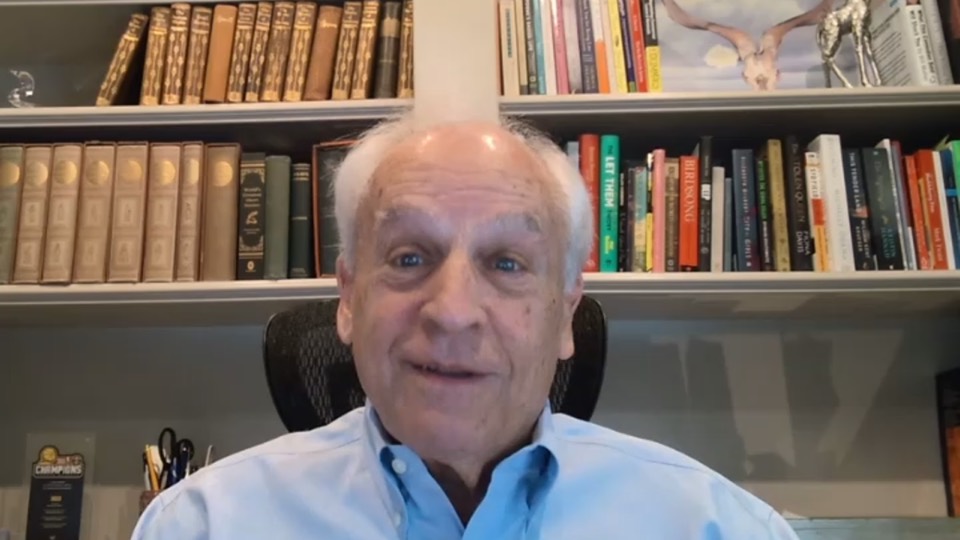
Marc Geman, CEO at Bambu, is the guest on episode 85 of the Restaurant Tech Trends podcast, hosted by Justin Foster.
 Play episode
What Marc and Justin discuss
- How a brand with menus in Vietnamese was fielding 40-60 franchise inquiries a MONTH before it ever went mainstream
- The COVID experiment where Marc converted an old Denver Dairy Queen into Bambu's first drive-thru, worked it himself, and learned what an 18-drink order from the local nail salon does to a drive-thru lane
- Why Walmart thinks like an amenity provider, not a landlord, and the sampling playbook that leaves shopping carts piled up outside the store
- Cutting the original chè lineup from 31 drinks to 13 WITHOUT giving up the customization guests actually care about
- The kiosk stat that blew Marc away: tips that are equal to or HIGHER than at the counter
Also in this episode
- How Marc uses AI to pull demographics on every Walmart location in an hour, work that used to take a site selection firm
- Rapid fire - chè or boba, Vietnamese coffee hot or iced, the most overhyped tech in restaurants, and whether he still craves a Pretzel Maker pretzel or a Spicy Pickle sandwich
Episode notes from the host
A securities lawyer walks into a Walmart with a tray of bright green waffles... and walks out with a new growth channel for his brand. If you want to hear this story, SAME WITH ME!
Today on Restaurant Tech Trends I'm interviewing Marc Geman, CEO of Bambu, the Asian dessert and drink brand known for its chè, boba teas, Vietnamese coffees, and smoothies. Marc is a true franchising veteran. He helped grow Pretzel Maker from 4 units to roughly 240, launched Spicy Pickle as a national franchise, and since buying into Bambu with partners in 2015 has taken a San Jose family concept to 60 shops across 20+ states.
Marc's "the world is your oyster" energy is contagious, and I love a leader who places big bets. Give it a watch and let me know what you think
Shout outs to Square for the POS love along the way.
Transcript
Full transcript (7,664 words)
Machine-generated transcript; names may be misspelled.
0:00 Hey everyone, welcome to Restaurant Tech Trends where we explore restaurant technology trends with some of the industry's biggest movers and shakers in a rapid fire short interview format. This podcast is brought to you by Incept AI. Incept AI takes restaurant orders over the phone and in noisy drive-thrus with friendliness and precision. Learn more at Incept AI. All right, I'm super happy and excited for my guest today. I think this is really cool that we're going to be here today. We're doing this, Marc. This is Marc Geman, Chief Executive Officer of Bambu, the Asian dessert and drink brand known for its Chaya, Boba teas, Vietnamese coffees, smoothies, and more. Marc's a franchising veteran. He helped grow Pretzel Maker from four units to roughly 240. Then he launched Spicy Pickle as a national franchise. And since buying into Bambu with partners in 2015, he's taken a San Jose family concept, to 60 shops across 20 plus states. He opened the brand's first drive through and is now building cafes inside Walmart, which is a huge opportunity. And I'm looking forward to chatting with you a little bit more about that, Marc specifically. Welcome to the show.
1:15 Thank you. All right, let's roll, shall we? Let's talk a little bit before we get to all the cool things that you're doing with Bambu and learn a little bit about what got you here. So we talked about Pretzel Maker in the intro. That's quite a bit of scaling, you know, four units to, you know, roughly 250. You then launched Spicy Pickle, as we talked about. What pulled you back and what did you see in Bambu that made you say, this is what I want to be doing? I had been on a couple of years from franchising, first of all, and missed it a little bit, strangely.
2:03 But it turned out that I got an invitation to do a due diligence report on Bambu out of San Jose, California. And when I went out there, I just, there was an excitement to it for me. It was a brand new product. I'd never heard of it. The menus were in Vietnamese. The products were all strange, things that I had never heard of, longan, basil seed and things like that. And they were really good. I mean, it had a wonderful quality to it. And just, it was just interesting to me. So it sparked some energy and I knew what to do from there because I'd done it before. So I was very interested in figuring out how we could proceed. It's definitely an, I don't want to say unusual concept. It's a growing category, but I think it had to take a bit of a leap of faith to jump into a concept like this because the menu is so unfamiliar to so many people. Was it really like, I mean, I assume you had to be excited by the financials, first of all, but then was it like the financials coupled with the fact that it was something you hadn't seen before?
3:21 Or was it more of the concept itself that excited you?
3:26 It's really, what I find exciting or interesting is putting something on the map, so to speak, that hasn't been there before. So this hadn't been there before, without question. So that was the first thing. The second thing was, at least within the Vietnamese and Asian community, the interest in this was incredible. You know, we were fielding 40 to 60 application inquiries a month to open these shops. I mean, it was an eye-popping number. By the way, raw numbers, I don't mean to imply that these are all qualified franchisees or anything, but it obviously had an enormous interest. And the interest was in communities all over the U.S. and Canada. So that's really what it was. Here's something brand new, never been here before, a lot of people interested in it. Okay, what are the mechanics to get it going? I'm sure there are a lot of franchisors that are watching this that are curious about how you can drum up that level of excitement being so small.
4:44 So what was the secret? Is this like all like organic word of mouth? Is this like going out to conferences, trying to recruit franchisees? What was the marketing looking like? It really wasn't conferences. I think what really is involved here is that Chea, the dessert drink, is national Vietnamese prideful dessert drink. And everybody who had any Vietnamese contact, ownership, doesn't matter. They all were interested in bringing that to their community where they were in the U.S. And so that's really what sparked the interest to me. And more than anything, you know, when you get beyond that, then, of course, you're trying to figure out how do you bring that into the mainstream American diet, so to speak. That's a whole different set of facts and problems, I think. For sure. Clearly, there was the way to at least get this thing started. Chea was the secret weapon to start out. And now we're going broader. We'll talk about that in just a sec. You said that when you came back to Bambu, you missed franchising.
6:03 Love to learn a little bit more about what specifically you missed about it. You have led now three franchise systems over 30 years. Was there anything that kind of stayed constant between all three in terms of like how you operated, how you led the brand? And coming to Bambu, was there anything that you had to unlearn from your prior experiences, given the nature of this concept?
6:36 Good question.
6:39 I'd say, first of all, to me, pretzel maker was really a blowout brand. We were right on the cusp of soft roll pretzels becoming very popular. And it wasn't me. It was a partner of mine, actually, who threw down a greasy wrapper on the coffee table watching a Bronco game that said, we got to go do this. That really got it started. I love that. And then the legal end was OK. I'm a lawyer by trade, securities lawyer. So franchising is, you know, a little bit in the same kind of vein in terms of disclosure based concept. And so that part was OK. What's really interesting is watching people change their life. They're opening a store. This is their new source of income. This is their new source of life, so to speak. There's a lot of energy behind those kinds of things that rubs off, literally. So everything kind of becomes interesting around it, you know, learning the leasing business in the retail corridor, negotiating the leases, figuring out all that stuff.
8:03 So for me, it was also new. I mean, this wasn't, you know, 10B5 securities law anymore. So it was exciting all the way around. And I think that excitement rubs off one way or the other. And that's really what does it. And for Pretzel Maker, that was just electric.
8:24 We had interest everywhere very quickly. And we had a template. We were able to really scale it quickly. Spicy Pickle was a little different. It was a very local sandwich shop in Denver. Fabulous sandwiches and things like that. Kind of a different treat, but much slower.
8:44 You know, I had a lot of people tell me, what the heck is Spicy Pickle? So, you know, Pretzel Maker was a little bit obvious, at least. Things like that. So it was a different experience, but equally fun because it was more culinary, actually. I learned a lot. I actually toured an organic meat place in the East, you know, learning how all this stuff was made. Sometimes not so appetizing. But anyway, you know, it just was fun. And I think that fun is part of all of this. There's got to be an element of that that excites you and causes you to want to keep going. You know, we were talking before we came on camera about, you know, every day is your, the world is your oyster. Seize the opportunities. Seize, I'm, I'm really picking that up in your personality. So I, and in this business, this business can be kind of rough. I think if you don't have that, it can be hard to survive. By the way, I've got to introduce you to Lisa Roscoe. She's the CEO of Pizza Factory. She's the second person. You're the second person who's been on with a legal background that's now leading a franchise system.
10:03 So you guys might have a lot to chat about. I want to talk a little bit about the cultural aspect of this. You know, I'm just going to take a wild guess by looking at you that you are not Vietnamese. So how was that for you coming into this Vietnamese concept? How are you able to embrace someone else's culture and keep that standard as you grow? Obviously, because, you know, you're not Vietnamese and maybe it's not important, but I'm, I'm curious how you're able to make that transition assimilation happen. And whether it was rocky or you encountered a lot of pushback or things that you learned that you wouldn't have expected, maybe because you're not part of that culture.
10:54 Yeah, I think it's got a lot of aspects to it, that discussion. But, but basically, we've kicked this around internally for forever, still are, you know, who should be the face of Bambu? Bambu. Is it, is it strange that there's some older white guy that is really leading the charge on this thing? And, you know, we decided that really, in my experience with Vietnamese owners, of which, of course, we have a lot, is that this is a business. We understand the products.
11:37 We know how to make the products. We like the products. They like the products. There's a lot of common ground because we've embraced something that they did. Now, I didn't grow up having chaya. Okay. I grew up having apple pie. So, so I'm never going to be exactly what they are, but that doesn't mean that we can't have a lot of commonality of things. And they see that we're helping promote something that's prideful to them. I don't have any problem with that at all. I'm glad to be able to be a shepherd of that to some extent. Right. Well, that makes sense. I am curious if we'd click down just one level. You know, we talk a lot of people on here for like L&D people, training people. Operationally, how I'm assuming, but I shouldn't, that you have people that are operating these restaurants that, you know, English might not be the primary language or there might be multiple languages that are spoken.
12:41 How does that manifest itself when you're bringing on like new crew members and you're training them like how to make these drinks or how to make these desserts? And how are you able to navigate that and keep things smooth, understood and under control as a brand as you're trying to enforce your brand standards? First of all, I think there's a couple of distinctions you would have to make. The first one is the very, all the first Bambus were in very deep Vietnamese demographic areas. And then there's strip centers that almost always universally had an Asian grocery store on it. It had a nail salon. It had a tax place. It had a bakery. And it had a, I mean, really, honestly. So they were all kind of the same different names. And those people that visited then that was their language primary language Vietnamese and and signs were in Vietnamese and things like that and to this day the first seven I think six or seven stores that opened up in 2010 are still open and that's cool very much the same thing maybe everybody's a little older so but otherwise you know the Vietnamese men like their strong Vietnamese coffee and they love their chaya and that is what drives those stores when you get into a more mainstream American environment or something and and even going into Walmart which we could talk about but you're dealing with an entirely different group of people owners understand American business they they are in business that the people they hire are very mixed across the board they could be Asian they could be Hispanic they could be black a lot of them are just high school kids and and those generations are so much more uh multi-cultured than somebody like me who grew up you know I mean I had a Chinese restaurant in town when I grew up that was it you wanted Asian food that was it yeah so it's all different now and and so again there's two kind of things going on here there's the old Vietnamese uh centered stores we have and then the ones where we're trying to bring
15:20 this to a more mainstream uh American scene okay well um I do want to talk more about Walmart later but since you mentioned it let's just quickly let's let's dive into that so it is I I get this like you've got younger employees they're multicultural it's not the same driver that you would have in like the original shops um like are you creating your training materials in like multiple languages like do you even need to do it does it matter or we don't need to do it okay interesting cool um all right well next we'll talk about we'll do one more thing then we'll talk about Walmart um I am interested in this story uh I think it was during I think it was during COVID uh you converted a former dairy queen into Bambu's first drive-thru drive-thru is near and dear to my heart um so I'd love to talk about that in the future of drive-thru at the chain overall but I think the even more interesting part was that you actually owned and operated this restaurant yourself which uh I am like I love this story um you know I have this little thing that I like to say you know on the technology side I always say like you know you want to build a successful technology business and restaurants spend time at the stores you want to know what all the problems are spend time at the stores spend time at the stores because people are going to tell you how it really is and as the CEO you were doing a lot more than spending time at the stores so tell us why did you run this store and what did you bring back to the system from your experience there well the why was I think fairly straightforward I don't think I'm the lone ranger in that um people were mass restaurants were trying to do outdoor seating in the streets uh you know there was this general idea that uh having seating inside your restaurant restaurant wasn't gonna do anything for you how long that would go on I don't know um but um I just happened to be uh looking um I think it was the Denver Post and um there was this uh Gary Queen um available on South Broadway um not not the big triple lane kind of thing that's going on today this was an old style one lane drive-through one window walk up no seating inside very small thing I said well yeah
17:59 that's interesting let's try it so so that's what we did so the learning experience was across the board everything from how headphones and orders are taken from cars to how you direct traffic to lots of things like that um that that was quite a learning experience but the major experience that really came out of it um was that people um like buying our products and being able to to sit down and enjoy them for a while and have conversation cafe style thing it wasn't a cafe um so yeah we actually created a bunch of outdoor seating which was nice there was a big concrete pad but if you know anything about Denver which is mile high when the sun is out which is a lot um you know it'll fry you sitting there it'll become uncomfortable so um we put these multi-colored metal screens over the top in an attempt to continue to have seating but it really it really led back to the fact that it was very difficult um for us the other component is Cheia drinks um they're they're a little bit of a work of art in addition you know to being a very good drink vegan friendly healthy um they're layered up there's all kinds of things uh we would get these calls um maybe from a local nail salon we're going to come by and pick up 18 Cheia drinks and they'd get in line in the drive-through um and then you really got problems uh well I see we're trying to direct traffic away we're sending people out to fill other orders people are pulling off the back of the line because they're tired of waiting um things like that so um it was really obvious to us we really that wasn't quite and I still think today drive-ins are really not the right thing for Bambu I love this story as well because it's an example of a failed experiment and but I love the innovation you know I wish that more brands would take leaps like this I do understand because of covid it was sort of out of necessity and trying to find something that you trying trying anything that would like help um why did you operate this store like that's another part of it did you operate this store like you were in the store or did I misunderstand that it's in the store I didn't run
20:40 it every day or anything like that okay but um really to me you have to know everything about it every part of the store um I mean if you don't know those things then I don't understand how you can either number one sell a franchise or number two help them run a store if you don't know how to run it yeah so um you know all and I'm talking about every little thing how do you change the gears on a Vitamix mixer uh you know forget about the big things how do you make taro paste that really is quality taro paste those things so um and by the way uh at the time of the drive-in I'm not pretending that I knew everything about the stores I didn't um it was a and sometimes a cruel learning experience but uh but you know I just uh you you you kind of go through it that's all yeah you know right up to this day we just opened a week ago in um a Walmart sorry to get there that quick I don't mean to um go ahead we're we're going there we're going there anyway let's talk about Walmart Louisiana yeah outside of Baton Rouge um and um I was out there sampling it's a product which I do all the time in the store here in Westminster we'll do it every store um because it's a tremendous opportunity to meet new future customers and see what they're really thinking about yeah because that's a real learning experience that's been terrific yeah for me so okay well uh since we're going there anyway like let's talk about the the learning experience and then we'll talk about the broader why we're doing Walmart so um what did you learn like what are you learning when you're opening up these out in Louisiana what are customers saying you're you're in a Walmart it's a very mainstream setting pretty much like the polar opposite of like the first shops that opened up so what what do people say and how do you create excitement around the product and like get people to lean in to a category that they might have not heard of before right so I again you know I don't know that there's one straight on full answer but a variety of things one is that in this day and age almost any person I think who's 15 and under maybe 20 and under knows what bubble tea is yeah um so
23:20 so that's a given already if you have that sign that you have boba um people understand that that's some type of milk tea drink that has uh tapioca pearls in it and um so any variety of that the second is there is a Asian demographic almost everywhere in this country at this point um obviously more significant in some areas than others um but they know you Bambu is very well known in the Asian community and so um you get this kind of initial base of young people and um Asian people that come in and then what happens is um the other people people like me older white people I guess um that are there shopping um they're looking over and here's all these young people um or whatever and they're they're they're sitting there seeming to have a good time yeah exactly what's this all yeah I should try this so um and so they come and so the sampling program that we set up for these kinds of venues has been tremendously successful you just have a tray of a pandan waffle cut up here's this green Belgian waffle looking thing that you know they roll by and they go you want to try a sample and it's like what is it well so now you have a discussion of pan what's panned it with the leaf how's it made um and so on and almost everybody will try it's very rare um that somebody won't try it after you've talked to them there are certainly people that are on the phone or you know on their way whatever their business is and they're not going to engage with you but once somebody does engage with you they're curious you know what's what's the stuff all about and it's good and um the the traditional thing that you always heard you know people pick it off the sample tray and go right around me and order it yeah at the counter so this sampling program this is an ongoing thing it's like every day every hour when i was yeah yeah yeah when i was in prairieville it was um it it was wild i mean the number of people yeah i guess i would almost describe it as sort of um a shopping cart uh you know um street problem of some kind you know those carts are all kind of abandoned out in front of our store
25:59 and people are coming in or trying these samples um so so it's like uh like a rush hour or something but uh it's so funny um let's just take one step back about this bet that you're making on walmart right i would consider you guys to be somewhat of a smaller franchise or you're a bit in like this tweeny area but you're moving in a this is a completely new direction compared to like the original shops um what made you decide to take this bet and how did you get the team how did you get the franchisees behind it and um i didn't ask this earlier but i would be curious to know like the profile of your franchisees like are you looking for owner operators you're looking for multi-unit so help us understand that as well but how did you decide that this opportunity with walmart was a big one for you guys i think the the principal thing was uh i was asked if i wanted to make a presentation to walmart to start with and i knew nothing about who the walmart chopper was um whatever i don't do most of the shopping anyway um and and so that uh took me on a little bit of a tour i started spending a lot of time in walmart's uh around denver um just sitting there by the way uh usually talking to the checkout people the service counter people the greeter um and things like that who's coming in here who are they when are they coming in what are they coming in for um things like that but the thing that really sparked it was um every time i went into a new walmart somewhere and i had sort of an introductory letter to to look at spaces um i i would ask somebody the service counter degree whoever i said listen we're thinking of putting a asian dessert and drink concept where this mcdonald's or this subway used to be what do you think um and you know i expected like to be stared at uh you know like i had just arrived from another planet or something and instead people went oh either they knew bubble teas or they said oh boba we love that or we love asian desserts um so it turned out that people knew much more about this than i had ever anticipated that they did know and and so i thought that there was um a base
28:41 uh of interest that was worth checking out and of course the other component was it was good economics for us so um so we figured well let's give it a try let's see what happens they're probably similar to the drive-through similar to what we did in ball arena i mean let's see what happens yeah and that's that's where we're here well let's talk a tiny little bit about the economics and growth um what does this store within a store concept look like for Bambu moving forward and what do the economics look like for the units you already have out there it's what you what you're able to disclose yeah yeah sure um well it's it's a clear growth corridor for us without question i mean there's 4 000 of these super centers approximately around the country obviously not everyone is perfect and we couldn't do it anyway but uh but we certainly have an op an ability when we have franchisees that are interested from whatever part of the u.s they happen to be um to see if there's something available in their neighborhood and go check it out and see if demographically and every otherwise it's suitable and offer it as any other potential location that they might otherwise have in a strip center or something so um but we felt the advantage of the store in store meaning the number of people that are coming there and not necessarily to come to Bambu offered us a customer engagement opportunity um that we couldn't get in a regular strip center i don't i don't have any stores that have that number of thousands of people a day walking by it um we have obviously our clientele our our good customers our return customers and things like that and the stores do well in that environment but this was a much bigger opportunity i thought so so that's one direction um the economics of what you know walmart's interested in in offering amenities to its shoppers it's a little different mindset than a typical landlord that is much more involved in the capital return on his investment and you know the pass-throughs of taxes and how the whole place operates and things like that's not really walmart's principal concern walmart knows how
31:18 to upgrade its shops it's it's interested in putting amenities in there that will drive potential shoppers um to it and and and if we can qualify as one of those kind of amenities then then that's good so okay so that's sort of the answer to why by the same token i don't want to take up your time too much but uh we do the same thing with like big h-mart developments which are asian grocery store it's the same principle except that who's coming to the h-mart and the surrounding stores in the developments they're doing are principally asian style stores right they're either all food or they could be teso depart i mean all kinds of things um and so you are drawing a crowd that crowd is much more uh familiar with Bambu and so that's a good natural one for us too but similar idea we're getting somewhere where there are people that you can engage the customer got it um i'm not needing to hold you to it but can you tell us like what does the growth plan look like like how many units are you thinking about opening up like in 2027 like how many of them would be in walmart's how many of them would be in h-marts do you know yet or no i mean we we don't know we're we're looking at it we have um a couple of developments that are in asian grocery centered um situations um we have a couple now in walmart's we have um leases for six more walmart locations that we're going to build out um you know they they will start um under construction early next year walmart understandably doesn't want a lot of hammer swinging going on during the holiday season yeah so uh those locations are are in process of being drawn up architecturally approved um get them going so that we can hopefully open them in the spring of next year all right and that'll give us a multi-state kind of look at at this kind of uh potential location and if things are going well and right now they are in westminster and prairieville um we can go from there all right i love it um well mark this podcast is called restaurant tech trends so we have to talk a little bit about technology here uh one of the my chief sources of curiosity about your concept is
33:58 the fact that you offer so many drinks i think it's 80 so many drinks so many drinks i think you have more than 80 layered with toppings add-ins and so far we haven't really talked about digital ordering channels uh i am curious to know you know what percentage of your sales are digital um and how you are choosing to expose menu complexity with the ability to run modifiers and things like that you know what you're doing in your digital channels um specifically in the mobile app and then um i'm not sure how much of your guys are relying on kiosks but tell us about anything you're doing with kiosks there and then um third-party marketplaces okay um well first of all the um kiosks there and then um um we've been talking about this for 10 years um so it's not a new subject we recognize that there are a lot a lot of drinks we see people staring at the menus and trying to figure out what category they want to be in and so on and so on so um i don't know that i have an answer for you today uh about that um we have lots of ideas about just listing flavors and then different types of ways to have that flavor a smoothie a tea a fruit tea in a coffee and so on um i don't know that that's the right answer either are you exposing all those choices because i think where a lot of brands have to make a trade-off is how much do you want to streamline operations versus giving your customers more choice and so you have like customers they'll be using a mobile app and then they'll say hey you know i can't order this drink the way that i really want to so i'm going to go in the store they get frustrated right but there's like a line you got to draw somewhere and some brands say you know what we're going to give it we're going to give them everything right if you're ordering on doordash or you're ordering on ubereats we're going to have the whole menu there every single modifier that you could make if you were standing at the counter we're going to let you do it there where do you guys fall on that spectrum between keeping the ops streamlined and giving your customers choice yeah um so uh when you say choice um it's it's not quite that simple there there's flavor choice yeah um you know i want honeydew or i want something else but there's also uh delivery choice um i want i want it less sweet uh i want the ice ball on the side because i'm
36:43 traveling to where i'm going to enjoy this um things like that that i don't think you can get away from that's uh that to me is important that the customer get what they want um having said that there's plenty of technology and we have it too where we see what's being ordered um across the the system and you know we can tell if there is a a fruit item or something that is low in sales but you know you have to take up shelf space with it or freezer space with it or something we can eliminate that from the system than the menu and and so you know that's the typical you don't want to disappoint a customer but if there's not enough to weigh in against the costs of the whole thing then you can do that we do that very periodically um okay and and we're still talking about doing it more you know the original chea menu that i looked at in san jose i think it had 31 chea drinks on it um we have 13. so okay so you've you've paired the menu quite a bit already yeah um more work to be done um but the customization um i i don't want to get away from really um that is something people like no you know i know i don't want ice or too much ice or sweet sweetness is a big issue um because we're a dessert shop so yeah obviously we're serving something sweet okay and then um you invested a lot during the pandemic in online ordering as did pretty much every restaurant brand out there tell us how important are digital sales to Bambu today and is it growing as a share of sales and what's is there a goal to have more orders be digital or is the goal to have more be like the walk up like store and store type transactions i can give you part of that answer some of it we will know we just created an app Bambu has had an app before don't get me wrong but it really didn't do the job um we've got a very very uh comprehensive app uh that is just coming out on the market now awesome and and that will allow people to replicate anything they could do right at the counter okay and and so we'll see how that goes and i'm happy to give you a report down the road and let you have to check in in six months we'll but the other part of it is we have kiosk yes our team found a kiosk provider i don't know a year and a
39:29 half ago or something and there is a kiosk in many of our shops now so what's interesting and the kiosk is full kiosk so you can order all the way through and pay your order is going to show up on the kitchen printer and you can go sit down and wait for it to be brought out the use of the kiosk is big um people i i would thought that people might go to it if they saw a line in front of the pos system or something like that but but they go to it first um and and so uh we're even thinking about having a second kiosk um in some of these locations so that's value that part of the technology is terrific um and and we want to use it and people are are very comfortable with it so um a couple questions about the kiosk so first and maybe most obviously uh are you seeing a demographic uh preference for kiosk versus counter ordering like is this like gen z that's like more attracted to the kiosks is it older people i would assume it's younger people on the whole but i'm curious that's kind of question number one you know your assumption is pretty right i think in terms of just raw numbers game but i see more and more um i guess i'm just going to call them older people or whatever you want to call them um that that are willing to go to the kiosk and use it um the people who really uh want to come to the pos are people that have um a question about what's in a drink or whether there's a real issue of some kind they have a an allergy or something like that um you know they're lactose intolerant there's a lot of milk based drinks in in Bambu things like that got it for the um kiosks specifically you said they're really popular you might be adding a second one which is uh very interesting to hear how has the or have kiosks impacted uh your labor model in the stores um and then what are you seeing on the check side checks on kiosk versus those that are um ordering a counter they're about the same okay interesting yeah average check is about the same doesn't hasn't i haven't seen any big change one way or the other um interestingly enough tips are either equal or higher on the kiosk yes that's that's shocking wow yeah i got blew me away um you know uh you're raised with
42:17 this kind of concept of tips relating to service somehow and so on um i'm not sure that's so true anymore today but anyway um that's one um result that we certainly didn't expect to see uh from that um so i don't think um i don't know the adoption is very strong it really is have you cut labor like have you said have you been able to do you want to is that really because Bambu if a Bambu is really operating optimally it it's kind of like a non-alcoholic bar you're making drinks um so what you're really tied to is that kitchen printer that's telling you what you need to make and bring out yeah and um whether it came from the kiosk or whether it came from the pos system is makes no difference to that person who's preparing yeah um who is your point of sale uh vendor that you work with and are you pleased okay let me let me before that's kind of a loaded question i'll just start it with i don't think anyone is ever pleased with their point of sale system vendor so i think we can just use that as a baseline who is it and are is it working for you guys um we use square oh okay wow very interesting and um and we use infi for our kiosk um i don't know if you can say this stuff i'm sure they're happy yeah yeah of course people love the shout outs but they they both work very well there was obviously um implementation frustration uh around getting both of those systems in place um but they work very well yeah you're the second person i've had on recently that uses square with a footprint um a unit count footprint uh similar to this and i'm actually surprised at that i know square is moving up market but um you've got to be one of their biggest clients i'm sure so by unit count yeah i mean i actually think we were a bit of a guinea pig um that wouldn't surprise me yeah that would surprise me you know that has advantages and drawbacks i think one of the nice things about square as a vendor is they're very open and i think very easy to work with and if someone is pushing you know up market or in a new direction and you happen to be the guinea pig you have a lot of say
44:53 in how the product gets built and you have people that are more responsive in general not all the time you know in implementing you know the processes the flows the way that you need um so yeah that's cool learn something there um we have to talk a little bit about ai right so we are living through really an unprecedented shift i think right now in terms of how work gets done ai has permeated restaurant operations all over the place right whether it's demand forecasting it could be voice ordering it could be labor scheduling it could be um you know menu pricing uh location selection like there's there's so many ways to use ai i'm curious where are you guys at on your ai journey and where if anywhere are you seeing value from ai and where do you think it's just not really there yet or doesn't make sense for you guys you know the operational side of our business um our team is using ai i think quite a bit um to uh streamline and and get things done that that were otherwise large spreadsheet type problems and analysis and things like that yeah much much quicker so that seems to me to be very basic direct application that's there um i haven't used it i'm the lawyer i guess for the company for all practical purposes you got the books back there man got the books to prove it um i i haven't used ai to really draft agreements or anything at this point in time um i have enough forms and library of forms and things to pretty much work with what i want um i'm interested in using it because i think it's it can do more than i'm even thinking it can do um and so i'll be experimenting with it going particularly into next year and the new fdd and everything that has to get done along those lines um but i use it all the time you know what used to take me hours of search and things or you have to hire a site selection company or something who had that kind of data ai could take all the walmart locations and tell me the
47:37 demographics that i want to know um in a half an hour an hour or less i mean it's it's crazy it's unbelievable so um that's been fantastic and our sales person even outside of that kind of situation if we're looking at an area um ai and demographic search and things like that have just absolutely been able to bring to the table more opportunities um quicker than we ever did before right well i i definitely am looking forward to checking back in in a few months and seeing how things have changed there there are actually many more things i wanted to ask you unfortunately we're running a little tight on time so we're going to end the formal portion of our interview and we're going to be moving into our rapid fire segment so mark mark is going to be a little surprised here in our rapid fire segment so for everyone that is watching or listening i'm about to ask mark a series of questions he has no idea what these questions are and the rules are mark try to answer each one of these questions with one word if you can and if you can't answer it with one word one sentence are you ready so you have to be all right chaya or boba milk tea chaya vietnamese coffee hot or iced iced and in waffle or mochi ice cream and waffle i was going to ask you drive through shop or walmart cafe but i think i know the answer on that one so we'll skip kiosk or human at the counter yes what is the most overhyped technology in restaurants right now expense consolidation that's consolidation all right uh we'll throw back here pretzel maker pretzel or spicy pickle sandwich which one do you still crave i see pickled sandwich and last one uh finish this sentence five years from now ordering a boba is blank ordering boba is that what you said is blank
50:15 it's like uh ordering a soft drink okay uh mark i've really enjoyed getting to meet you i've enjoyed this interview i learned a lot about Bambu uh you guys are on an exciting journey i love how you place big bets that that's awesome i love the risk taking part of this chain and of uh you know how you lead so everyone this is Marc Geman ceo of Bambu thank you mark thank you