Episode 86 · November 19, 2026
Sam Friedman
Director of IT · Roaring Fork Restaurant Group
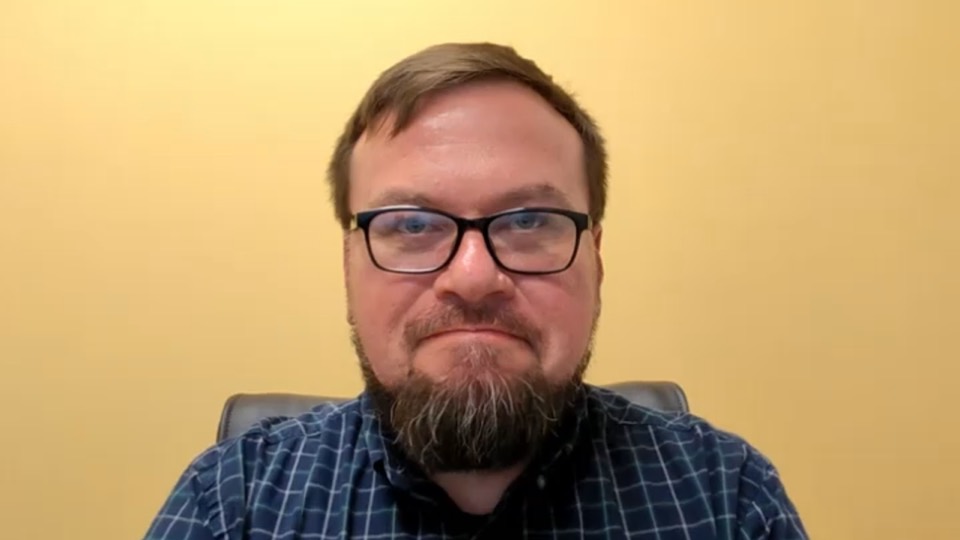
Sam Friedman, Director of IT at Roaring Fork Restaurant Group, is the guest on episode 86 of the Restaurant Tech Trends podcast, hosted by Justin Foster.
 Play episode
What Sam and Justin discuss
- How Roaring Fork uses cameras for WAY more than theft: POS-integrated loss detection, food prep consistency, and proof that third-party delivery orders actually got picked up
- Why they were late adopters on kiosks at Dave's, then rolled them out to every store at once and now see 20-25% of in-store sales through them (without pulling cashiers)
- The "good cop, bad cop" playbook for pushing franchisors, including how they pulled networking fully in-house
- Why their 5G-primary stores in Des Moines are, hands down, their MOST reliable
- The KDS rollout that went sideways, and what six months of overnight installs taught him
Also in this episode
- Sam's take on voice AI: language barriers and 24/7 catering orders
- Rapid fire - the most OVERHYPED restaurant tech (from a guy who just rolled it out everywhere), burrito vs slider, his Dave's heat level, the best chicken sandwich that isn't a Dave's, and a World Series prediction with Milwaukee on the line
Episode notes from the host
1,000+ 4K cameras, one platform, and the most complete computer vision playbook I've heard on this show.
Today on Restaurant Tech Trends I'm talking with Sam Friedman, Director of IT at Roaring Fork Restaurant Group, one of the largest Qdoba franchisees in the country (close to 10% of the Qdoba system!) and a growing Dave's Hot Chicken operator, with 74 restaurants open across Wisconsin, Illinois, and Iowa. Sam joined in 2016 as a one-man IT shop at ~50 stores, worked restaurants through high school and college, and still gets in the car when a store goes down on a Friday.
Sam brings the operator mindset to IT better than almost anyone I've met.
Shout outs to Envysion, Fourth/HotSchedules, Microsoft Copilot, and Vocify for the tech-stack love along the way.
Transcript
Full transcript (9,687 words)
Machine-generated transcript; names may be misspelled.
0:00 Hey everyone, welcome to Restaurant Tech Trends where we explore restaurant technology trends with some of the industry's biggest movers and shakers in a rapid fire short interview format. This podcast is brought to you by Incept AI. Incept AI takes restaurant orders over the phone and in noisy drive-thrus with friendliness and precision. Learn more at Incept AI. Now on to my guest. I'm very excited to be speaking with Sam Friedman today. Sam is director of information and information. Technology at Roaring Fork Restaurant Group, which is one of the largest Qdoba franchisees in the country. And they also run some Dave's Hot Chickens, which is pretty cool. Roughly 75 restaurants across both brands in Wisconsin, Illinois and Iowa. Sam joined Roaring Fork in 2016 as an IT administrator, and he grew into leading IT for the whole group. And he's also been in restaurants pretty much his whole career. He worked in restaurants through high school and college. He was a POS administrator after that. He definitely knows a Friday rush from the other side of the counter. Sam, welcome to the show. Thanks, Justin. Nice to be here. Excited to have you on. Gosh, I love having people that lead IT on this podcast because as you know, stuff is always breaking. There's always fires. It's always a crisis. It's one restaurant or another one. There's always something that needs to be installed. Some piece of equipment that's failing. Some network outage.
1:29 Like, it's just, I think we were joking about it in the lead up to this podcast. It's like built in job security. I really do not see this job being AI'd away anytime soon. Well, let's talk a little bit about before we get into the firefighting. I'd like to learn just a bit more about your background and when you joined the group. So you've been there for, I think, about 10 years now. Yeah. You're leading IT for the whole group now. Tell us a bit about what's changed the most about your job over that period of time. And maybe for a context, let us know how many stores you guys had when you first started compared to today. Yeah, absolutely. So, you know, about 10 years ago, I started with this group. We had roughly 50 restaurants. I think we were at like 52 and we were just about to open a new one. So it's been a unique opportunity to kind of join in with this group as it was. Back then, we had just Qdoba restaurants. We were a single brand operator and we were the largest at that time. Some of that has changed over the years. We continue to add restaurants and had some great opportunities here as this company has had a huge position in our market here in Milwaukee specifically.
2:52 So, yeah, exactly. Brewers. It's a great time to be in Milwaukee. We definitely really like this area and the community embraces us. So it's really cool to be a part of this brand and specifically Roaring Fork Restaurant Group. With this role, I had an opportunity to do everything. I started as a single IT guy for the company, running around, going to restaurants, fixing things, helping with corporate office. Yeah, a ton of every little bit of technology or information I have had my hands on. And over the years, I've really had an opportunity to bring in new solutions and be a part of that process of just the evolution of technology and new solutions coming out and being, you know, sitting in all the different seats that go along with that. And over the years, you know, really kind of leaning into this leadership role has been really exciting. And now I have a person that does a lot of the field work and it's a tremendous help.
3:55 Absolutely. Not having to go work in the middle of the night all the time and still be in meetings during the day. So not to say it doesn't happen actually this week alone. I was me and the guy that works for me. We were out at one of our restaurants as it was doing a backline remodel. So we had to show up at the end of the day and take down the back of house systems and networks. That way they could bust out some walls and then be back in the morning to set it back up so they could open. So, you know, still do it every now and then, just not as much as I used to. So it's definitely been exciting to be a part of this and watching our brand grow from, you know, 50 some restaurants to close to, you know, we've got 74 open today and two that are set to open in the coming weeks and a few more under construction. So we just keep growing and growing and, you know, being a part of these exciting brands has been pretty cool to be on this side of the seat. My previous experience, as you mentioned, of working with restaurants and bars, hotels, growing up and going into college and then going into a kind of a vendor side role for hospitality technology. And then finally sitting in this seat. It's been pretty cool to see it kind of go around full circle and really having an opportunity to understand the nuance to working with hospitality technology for sure. Right. Well, let's let's do a little bit of real talk here, because I think whenever you have this is just I don't I don't actually know 75 units.
5:18 You've got the IT in your title. If you had to break it down in percentage terms, what percentage of the time now would you say is dealing with the fires, dealing with all that kind of stuff versus like setting strategy? Right now I'm sitting at maybe 20 percent of the time putting out fires. I put a lot of support behind my my support guy. So he's really kind of taking the lead on that, which is exciting to see somebody that have helped to kind of mentor through the process. He also started in the restaurant side of it. He was actually one of our chip fryers in one of our restaurants, applied for the opportunity to come on board with us and helped to kind of train me at no background in IT. So it's cool to see somebody kind of fall into that role, like similar to how I did and then seeing them kind of thrive in it. So which has helped me tremendously to be able to do other things, lead some other initiatives, you know, dive into AI and help our corporate structure, really kind of lean into to what the future holds for us as an organization. So, again, great opportunities for me, at least. And it's kind of nice to be at that spot. I got to knock on wood, though. I don't I feel like after this call, all of a sudden I'm going to be on a message chain that's require my attention. I have to go put out some fires. So.
6:34 Well, you know, that just it comes with the territory. By the way, you did mention the magic two letters, AI. We are going to talk about that in just a little bit. But I would like to talk a bit about some of your experience in store before I have like a favorite thing I like to tell people, which is if you want to build like a winning technology company, you want to build a winning technology strategy. You have to spend time in the stores. You have to spend time with the operators. You have to see on the front lines like what is actually happening, how people are using the technology that you're putting in there. Tell us a bit about how or if your experience working on the floor has impacted your ability to effectively deploy technology solutions in the restaurants. Oh, 100 percent. You know, being, you know, that kind of just built into my background and part of who I am. You know, I feel like it's you can tell who's never worked in hospitality, especially in this field when we're talking, you know, to other tech folks that are, you know, just entrenched in technology and really seeing that difference when they don't have that hospitality mindset. You know, it comes out in many different ways. One, you know, you walk into a restaurant as, you know, a tech person doing something and just instinctually saying like, Hey, somebody needs help and like just offering assistance to somebody, you know, trying to open a door or trying to throw something away.
7:58 You see garbage on the floor, whatever it is kind of leaning into that is a huge part of it, but more so, you know, in deployments, understanding the needs of the restaurants are so important to be able to be successful in rolling out technology over the past, you know, 10 years that I've been here. We've completely changed tech stacks and gone through just a ton of different change in both brands. And it doesn't work on a normal nine to five, right? Like that, that mentality of, you know, Hey, you've got a corporate job or you work in it and you only work during the day. It doesn't fly in hospitality. That's when we're taking orders. That's when we're, you know, that's our revenue time. Uh, so really having that understanding is, is been tremendous for my success. Uh, and, and sometimes I get some pushback when I'm working with other vendors that just aren't on that same page, uh, but definitely lean into it. And again, one of the key reasons that I've been successful in this role is I understand that, you know, the priority still lies and taking care of our guests and, uh, you know, technology is, is essential. Don't get me wrong, but like without the guests, we don't have a reason for the technology. So we've got to put them first and by putting them first, it's not impacting our restaurant operations. So, uh, it's definitely a lean into for sure. And it's definitely not something that I see common across the board, uh, working with different vendors.
9:16 Yeah, for sure. I, I mean, one of the first things that I learned about coming into this industry, and by the way, I have not been in this industry for that long. And I actually joined in 2022 is how freaking hardworking people are in this industry and people that have the DNA of being in restaurants, like just get it in a way that those that have not had it don't a lot of the time, or, you know, they got to learn it really fast and really hard. Absolutely. This is the, of any industry that I've ever been a part of this industry has the most hardworking group of professionals that I've ever encountered. Okay. Um, so we talked about, you've evolved your tech stack. So let's lean into that a little bit. You also have two different tech stacks. So you've got, uh, do you have same POS in, uh, Qdoba Dave's? Like, how do you manage the complexity? If you've got two brands, thank goodness it's just two and not like five or 10 or something like that. I talked to some people that have to deal with like different tech stacks, not many. How do you create efficiencies? In your organization and across the restaurants, knowing that you have these non-matching tech stacks? Yeah, a hundred percent. So like with, with, you know, being a franchise or side of the table here, you know, we have to kind of lean into whatever they're telling us we need to use for that required technology. Uh, more specifically the point of sale systems, uh, a little bit less on the back of house systems, uh, depending on the brand.
10:45 But, uh, some of those requirements do create some significant roadblocks for us to be able to operate our businesses. Uh, because again, at the end of the day, everybody here that that's at our corporate office, you know, has a need to understand the data. Uh, and what I have found at least with the difference in the tech stacks is, you know, we are presented with an issue of, we need to normalize the data. We need to have it in a digest digestible format that everybody here can use. And that is consistent between the two different systems, uh, which creates a huge challenge, right? Uh, dealing with, uh, discrepancies and understanding where to research when there is an issue. Uh, so it has, you know, presented some, some very unique challenges from that perspective. Uh, the actual hardware and, and, and physical equipment that we put into our restaurants and services. Uh, we do try to standardize as much as we can. That is within our control. Uh, some of that, you know, uh, it's a little bit different by brand. Uh, we have some autonomy, um, you know, differences between the two different systems, um, that we try to lean into and, and, and use our size to help us to say, Hey, you know, we're already doing this. We're doing it well. Let us continue on. So, uh, I, I personally try to push that envelope quite a bit with our franchisors and step in and, and kind of, uh, I kind of liken it to like good cop, bad cop.
12:03 I let the leadership kind of play the good cop role. Then I come in, uh, and really try to push the envelope where I can and, and lean into it. Uh, and it's worked to my advantage and into our company's advantage, uh, in many situations every now and then I, I get that slap on the wrist. Like you can't do that. Uh, but I, I try because, uh, again, with my background and, uh, you know, just understanding our business. Well, I, you know, I try to advocate for those situations when I can, and, uh, you know, don't always win, but, uh, sometimes they get an opportunity to be a part of bigger conversations with our franchisors, uh, which really helps to kind of shape the future or some of those decisions that are being made on our behalf, uh, at that corporate kind of franchisor level. Uh, when we're, you know, again, representing, uh, you know, you know, we're close to 10% of the Qdoba, uh, system as a whole. Uh, so, you know, we try, we try our hardest and, uh, it doesn't come without challenge for sure. All right. Well, I do want to talk in just a second about some of those areas specifically where you do have optionality in your tech stack, but, you know, don't want to necessarily play favorites, but if you had to choose, if it was Dave's hot chicken or Qdoba, which has the easier tech stack to manage of the mandated stuff. I would say, you know, I'll, I'll give it a little bit more to Dave's because they're newer. So, you know, them being this, this newer, younger brand.
13:23 They started with a very kind of, uh, uh, web forward API forward tech stack that, uh, really allows us to lean into it and have those automation opportunities that we really want and need as a franchisor. Um, whereas Qdoba has been around for, you know, 30 years almost, and we've been a Qdoba franchisee for 28 of those years. So we've been a part of that Qdoba brand since, you know, we, we've changed names a couple of times with them. Uh, our first restaurant was a Z-Tech, a grill. Uh, they went on to, you know, Qdoba, uh, grill for a while or Mexican grill. And then now Qdoba Mexican eats, and we've had an opportunity to see that kind of change of guard of, you know, selling the brand and moving on. So, uh, it's a bit more, um, antiquated when it comes to some of the tech stack. So it makes it a bit more difficult to manage. So I would definitely lean into Dave saying that they are a bit easier to work with, although they move fast and that it's just this kind of very different kind of, uh, beast between the two where, uh, Qdoba is a bit more tried and true for us. And we, we know what we know, uh, Dave sometimes throws a curve ball at us and we just have to lean into it and go with it. But for me, I'm one of those people, like, I like to be decisive. I like to move. So I, I'm more aligned with that kind of Dave's process where they're quick to move on to a new tech platform or bring on something that, that, uh, they're excited about.
14:47 And, uh, for us, you know, sometimes it's a little faster than we would like. Uh, but you know, for me, I I'd rather dive in and kind of just tip my, you know, dip my toe into it for a little bit and wait. Uh, so I definitely lean in more to Dave's, uh, in our current kind of a scenario, but, uh, Qdoba is our bread and butter. It's definitely a big part of our business. So, uh, just different kind of things. And with Qdoba, I get a bit more say Dave's we're not as big of a player yet, so we don't have as much kind of pull to say, Hey, we want to do this differently. Uh, but their, their process is just completely night and day difference between these two brands and how they operate for the good and for the bad. Uh, so it's definitely interesting to be a part of, uh, the relationships with both of these brands as they are so different. Uh, but sitting in that same seat, dealing with both things, you know, the same things for both sides of our business. So, uh, it's exciting and, uh, challenging, uh, Apple at the same time. Well, I guess hats off to both brands, special hats off to Leon from Dave's. He's actually been on this podcast before. Oh yeah. Leon's a great guy. Yeah. I, he is my lean into when I'm like, Hey, I don't know what's going on. And it's, it's cool to be able to, even with Qdoba too, I have a direct line of communication to both the CTOs, uh, for both brands. So I try not to use it as much as I, as I would like to use it. Uh, but, uh, at least it's, it's nice to be able to speak directly to those folks that are making those decisions.
16:08 And, uh, Leon does some tremendous things with Dave's and, uh, you know, I speak highly to, to, you know, his experience and, um, you know, his, uh, um, kind of focus that he's bringing to the, to the brand. So definitely some cool stuff that, that he's doing. I know they were looking at the drones and some stuff like that. We're going to do it. We're going to go there. Some cool stuff that they're, that they're getting into it and I'm all for it. So, uh, love to see that kind of stuff happening. Cool. Right on. Um, one more thing before we move on to the specific parts of the tech stack that you can choose and have more autonomy. Uh, you mentioned trying to normalize data between, I'm guessing both, uh, your POS systems and maybe you have data warehouses that are separate for each brand back office software, all that stuff. We're now living in the era of uncle Claude. Um, have you taken advantage of any AI tooling to help you analyze data? Data across both brands and share that data in a more normalized way across the organization. That's actually a big part of my role is we got into 2026. I spent a lot of energy, um, understanding AI strategy. Uh, I did some coursework at Northwestern, uh, just to get a better understanding of it.
17:24 And, and, and to the benefit of our organization, um, my, my boss, the president of the company, he's really leaned into AI and given me kind of this platform to really dive into it, understand it. How can we bring it to our organization? So, uh, I've had a great opportunity over the last, you know, seven, eight months now to, to understand what our needs are and what we can do to bring that on. So we're using some real basic things today, you know, general kind of, uh, we're, we're a Microsoft environment. So, you know, we lean into co-pilot quite a bit just for some general, you know, understanding of data, just, you know, being able to process it and say, Hey, find some anomalies for me. Right. Uh, but right now we're really embarking on a path of, of, of, we want to warehouse our own data, uh, to, to your point there a moment, a moment ago, uh, both of our brands do things differently with our data. Um, you know, Dave's a bit more open for us to be able to understand our data, have access to it. Qdoba just isn't set up day to segregate out franchisee data appropriately for us to really automate that process. Um, so we're trying to lean into that and really understand what can we do today? What's down the road on their roadmaps, you know, really trying to align with both of our brands, understand what the future holds for them when it comes to AI specifically.
18:40 Um, but also for us to keep our kind of our gears going and, and, and starting to embark on it because we're, we're definitely under that, that impression that if you wait on this, it's only going to hurt your business. We, we, we recognize that it's not going away. It's a necessary part of our operation and, and, and really understanding how we can harness it. So we're not wasting money or energy, uh, on things that we just don't need to. Uh, so that's really that, that exciting opportunity right now. And I've, I've been, uh, you know, kind of vetting out different opportunities saying, you know, Hey, do we bring on our own snowflake environment? Do we warehouse ourselves? Do we lean into a third party? Uh, so some really cool stuff. And for me, you know, I, I love this type of stuff. So, um, I didn't, you know, five years ago, think that this was ever going to be on my, my radar, uh, or have any thought that this was going to be something that would be part of my role. Uh, but I love that it is today. And, and again, you know, to, to, to hats off to my boss on this, of letting me do this where, you know, there's a lot of work that that's ahead of us and helping me to, to, you know, shift some of that responsibility, uh, to, to Riley and my team here that, uh, you know, he's taking on a lot of new responsibilities that gives me that opportunity to dive into this. So exciting stuff, but yeah, we're, we're not there yet. We're, we're working through it.
19:56 Uh, but it's an exciting time to be a part of this, uh, environment of, of AI coming into hospitality. There's a lot of change going on right now, for sure. Um, let's rewind a little bit. You were talking about, um, streamlining where you have the ability to make decisions on your own tech stack. Yeah. What are the areas specifically where you have autonomy, both at Dave's and at Qdoba? Um, and what systems have you chosen to standardize? And is there anyone that you want to shout out there? Yeah. So one of our biggest partners, uh, is, is envision, which is a Motorola product. They, they handle our surveillance systems in our restaurants. And since I've been on board with, uh, Roaring Fork, they were, they were already a partner. When I came on board, we had three other camera providers that were, you know, hodgepodge of, of random analog cameras around our system. Uh, we've had an opportunity to really lean into them and utilize some of their, um, their, you know, they have a lot of automation processes that we've integrated into our system. We're our point of sale systems. Uh, we're now kind of piloting some, some, uh, security features and, uh, secure access features to our restaurants. So they've really stepped up to be this, this really kind of, um, collaborative partner with us to be able to help us better understand our business and helping us with our footprint.
21:14 As, as we, you know, you mentioned earlier on, we have our restaurants across the entire state of Wisconsin. We have a couple in Illinois, some in Des Moines, Iowa. So we have this, this kind of unique footprint that, um, we don't necessarily have the infrastructure to, to really be in all of these places at once. So leaning into this partner has been great. And now we're diving more into computer vision with them and being able to utilize our cameras to do that AI analysis of our restaurants that help us to be a better operator for our restaurants. And, uh, it's really cool and exciting to be a part of that. That's one of the, you know, things that I'm kind of passionate about, uh, when it comes to, um, you know, AI and, and some of the solutions that are out there, um, and dealing with predictions and, um, understanding, you know, these, we have a thousand, you know, 4k cameras across our system, uh, and having them managed under one platform for us is, is, uh, a huge win. Uh, as I've talked to other groups and other franchisees, all, you know, other multi-brand groups that, you know, they don't have that consistency when it comes to it. And we lean into it so heavily, uh, with that integration to our point of sale and understanding our losses. And, uh, it's, it's cool to have that partner. Um, and it's something that we have standard across all of our restaurants. We, we utilize them. Uh, we, we engage, uh, empower our managers to be a part of it and, uh, really lean into it as a part of our management tool, as well as sort of our, you know, our, our office tool of, uh, being able to do analytics and understand, uh, you know, how our customers are coming through the lines.
22:44 And, uh, really getting kind of, uh, more feedback than we ever thought we would get out of a system like this. Uh, and then continuing to expand on it and, and understanding, you know, how we're going to lean into that. Uh, additionally, we have some other systems that are normalized between our restaurants. Like, uh, we have a VoIP system that we brought on for our entire platform of restaurants, our corporate office. We also have a call center. Uh, we do a big catering business out of our, our call center here in our corporate office. Uh, so we have a lot of kind of variables in one of the other areas too of our organization that, that doesn't get a ton of, uh, uh, light typically is we're also a real estate firm. Uh, so we have, uh, significant real estate holdings that, that, you know, are about equally half of what our restaurants do or a hundred percent, uh, uh, or 50, 50 breakdown, I should say of, of, of our, uh, restaurant business and our real estate business. Uh, so, so we have, uh, this multifaceted kind of a, uh, corporate structure that, that, um, we lean into all of these things that we can wear and, uh, when we can. And, um, networking is another big one, but, uh, isn't consistent across our brands as, uh, we don't have the same footprint, uh, at both sides of our brands, but we have similar pieces of network that we manage. So, uh, again, some really exciting stuff, but I definitely envision is, is probably one of my, my biggest, uh, uh, I have a big cheerleader for them.
24:02 I should say, uh, is, is they, they have a remarkable tool that I've had an opportunity to see a lot of different, uh, solutions that are out there in the field. And, and yet I have yet to find one that's comparable to them. Uh, and again, for a typical tech guy talking about, you know, cameras isn't normally as exciting, but, uh, for me, it's pretty exciting to see the partnership and how it's grown over the years with them. And, uh, continuing to, to still make, uh, you know, remarkable new solutions with them. So I do want to talk a little bit more about envision, even though we just talked about it a bunch, because I feel like computer vision is an area where a lot of operators are actually struggling. So in terms of like justifying the spend, finding the ROI, you talked about the security access part of it. Um, I want to understand more about the POS integration. I want to understand more about like the line counting or people like leaving the line. Like, where are you seeing the business impact of having all these cameras running in the restaurants today? Yeah, a hundred percent. So one of our biggest issues that we, we kind of dealt with over the years is loss and theft, uh, which is obviously why you want to have cameras, right? Uh, we, we've developed some tools with our, our provider here that, that help us capture those anomalies that we know exist.
25:19 Um, and have been really, really fruitful for us. The new thing that we're leaning into is really understanding food costs and food preparation with cameras. So making sure that our products are consistent, uh, you know, that, that, that our employees are able to, uh, successfully make a product the way it's expected, the way a guest wants it to be, uh, is really cool. And we've actually also leaned in, uh, as of late with, uh, another third party, uh, that, that utilizes our camera data to ensure that our third party delivery orders are actually picked up from our restaurants. So we can handle disputes a little bit easier. Uh, so a lot of great things that we've really picked up on, on having these, uh, uh, cameras in our restaurants. Nice. That's awesome, man. I, this is, I think the most comprehensive use I've heard in from anyone that I've interviewed on this podcast before in terms of how you guys are using cameras and computer vision. So definitely looking forward to seeing how that evolves for you guys over the next, you know, six to 12 months. Um, let's flip and talk about Dave's for a second. Um, and I want to talk about kiosks. So Dave's has leaned pretty hard into kiosks. Um, I've seen Leon on the circuit talking about, you know, the check side. The check side is, you know, increased. Like the payoff period is really short. It seems to have been a big win. Obviously Dave's caters to a bit of a younger demographic overall, um, can definitely make the argument that by leaning into kiosks, you are creating, um, you know, another way or another outlet for guests to interact with the brand.
26:46 When ordering perhaps a preferred way for people that don't want to speak to someone at the counter. However, I have noticed in my own sample size of one, when I've gone into a couple of Dave's hot chickens, I see the four kiosks right there and there ain't nobody at the counter. They're bagging food. They're, you know, they're making drinks. What is your take on kiosks in terms of how they've been successful for you guys? What is your strategy around how you're deploying them? And how are you balancing the need to generate the business results and create the choice for your customers with making sure that you're providing, you know, good solid hospitality inside the restaurants? Yeah, a hundred percent. And this was one of those areas. We were actually a late adopter to, uh, kiosks. Uh, we waited to see how the rest of the brand really handled it and looking at the numbers, understanding, talking to other operators. Uh, we leaned into it hard though. So, uh, this last summer we, we deployed it to all of our restaurants, uh, all at once. So we, we took an undertaking, uh, of, of putting in, you know, new data runs, power, all the things that restaurants just weren't built for them. Uh, so we added them in and, and we saw a tremendous, uh, impact to our operation. A huge lift in, in, uh, uh, order sales. Um, you know, the, the upsells are great.
28:03 Uh, and, and to your point, it is, uh, you know, the, the Gen Z type of, uh, environment that, that Dave's really kind of caters to, um, has embraced it. But we're actually seeing, uh, across the board, just this adaption to it. For us, we, we've definitely leaned into, it is not a replacement for our, for our cashiers, for the folks that are at the register. Uh, we, we try to lean into, to them engaging with anybody that does go to the kiosk and saying, Hey, my name's so-and-so. I'm here to help you if you have any questions. You know, so for us, we didn't want that to be the scenario. You walk into our restaurants and you assume you need to order at the kiosk because there's nobody there to help you. Uh, so that was one of our big things that we wanted to, to make sure wasn't the case, but yeah, we're seeing, you know, 20, 25% of our, our, our in-store sales coming through these, um, kiosks. So it's, it's exciting, uh, to see it and to see that lift in the, those orders, uh, just from the, the simple upsells. And, and again, I'm sure some people, you know, uh, myself included, you know, sometimes I, I just want to go and order it. I want to make sure I bring it in. Right. I have that control issue myself of, you know, I don't trust that somebody is going to ring in something the right way every time for me. Uh, so I, I love it. Plus I like technology. So, uh, I, I lean into it myself, but, uh, the, the, the adaption was higher than we expected and definitely is paying for itself.
29:22 So, uh, we're leaning into it and embracing the hospitality side of it still too. So, you know, I, I, I love to hear you say that. Um, I just know, you know, as a franchisee, it can be so tough because it's really all about the bottom line. And there's a lot of, uh, evidence that you can pull some labor out of the stores. If you put kiosks in there and it can be very tempting and finding the right balance is, I think as an industry, I feel like as an industry, we're just not all the way there yet. So it's really refreshing to hear you say that you're leaning so much into this. Um, like to talk a bit about your support model. So we talked about the 20% of your time having to fix stuff and, you know, the stores going down and, you know, uh, for Dave's like guys have Q Q is really pushing like, uh, edge hardware, everything running on the edge. How do you keep the stores running? Um, if there's a problem like on a Friday night or over the weekend? Yeah. We, we lean heavily into our franchisors and their help desks where they, where they are. We actually built our own help desk to kind of absorb theirs. Uh, so we have all of our restaurants kind of go to a single point, uh, uh, help desk and then, uh, through our phone system, uh, our texting system or email system, it auto routes out to the appropriate person.
30:47 If, uh, the, the problem is explained appropriately, uh, which sometimes is a challenge. Uh, we haven't got over the language barrier where we have other folks in our restaurants that speak different native languages. So, uh, we're, we're working through it, but, uh, we've really adapted to it. Uh, myself and the guy that works my team, uh, Riley, he and I, we, we manage those calls as they come in after hours. So, uh, we both kind of monitor text messages and phone calls, uh, and we do handle those issues when it is, you know, a Friday night and, and POS is down and we only have one POS in the store. Uh, we are typically that person that if we have to go, we are the ones getting in the car, driving to the restaurant, dealing with it. If we can't get, you know, a regional manager, somebody in the field that has that kind of tech base, uh, that, that can help us, uh, because we try to, uh, ensure that our restaurants stay up as much as possible. And sometimes it's hard to lean on the third party to do that. So, uh, we, we do jump into that and, and I'm, again, I'm a knock on wood here. Uh, you know, typically we're seeing maybe one or two calls a month, uh, that are after hours that are something that we need to kind of really get involved with and even less requiring us to go on site. But yeah, it's part of the role, uh, working in hospitality, you know, we're not done at five o'clock we're, we're, we're going until, you know, 2.00 AM in some stores.
32:02 So, uh, we gotta be available to make sure that we're able to handle our guests as they're coming through. So we're that first line of support. Okay. Yeah. That, that, that was the thing I wanted clarity on. So you guys are doing all the triaging, even if you're leaning into the franchise or helplines and whatnot. Yeah. And even at that, and when I say we, some of our automation is doing that for us that we have built into it. Uh, but typically, you know, it's going to come through us. We're the ones approving anybody going out. And, uh, so our eyes are on it, uh, if we can't automate it.
32:30 Okay, cool. Um, totally minor question. What do you guys use for your internet failover? Uh, use LTE. Right now. So we do have an LTE system. Uh, and unfortunately for me right now, it's, it's kind of one of our pain points. Uh, it's a piece of legacy hardware that is at the end of life and we are finding a new solution. So, uh, we right now are testing a few different things and trying to get to that. But yeah, we use failover in every restaurant. Uh, most of our restaurants, we stick to, you know, a typical, um, wired connection, but we do have a few sites that are, uh, fully 5G with a failover 4G LTE. Um, and, and surprisingly, there are most reliable stores. Hands down are our 5G stores. They're the least of my problems, uh, which is, it's kind of weird to me. It was, it was something I was very, very worried about. Uh, but Des Moines, our, our, our Des Moines market, for whatever reason, that area just does not have great providers for wired internet. So, uh, we, we put in a 5G connections and have them look back and, and it's, uh, something that's sitting on our kind of, uh, back burner of like, is this, is this worth putting out maybe to all of our restaurants? So, uh, kind of an interesting space to be in today with the dependence on internet as it is, uh, and seeing how reliable 5G really has come out to be for us. I missed this at the beginning of your response.
33:45 Did you say the 5G connection is the primary connection for the store? Oh, yeah. Okay. Yeah. We have a handful of stores that, that in, in a largely it's like, we find ourselves, you know, we're, we go into a lease for a particular property and the property owner won't let us bring in the internet source we want. Uh, cause they don't want to, you know, have a construction cost or something along those lines. Uh, and then the only available is like, uh, you know, maybe a 50 meg DSL connection. Uh, and we're like, we can't do it. We, we, it's just too, too slow for us. And then, uh, again, our 5G providers have really stepped up, uh, to, to be a reliable source. And, and, you know, one of those things that we struggled with for, for some time in the past, uh, uh, how do we do this? How do we, we, you know, balance the need to, to have a functional internet and, uh, also bring on, you know, 4G or 4, uh, K cameras into our stores. Very cool. All right. I want to shift the conversation a bit to talk about labor and how technology is impacting labor, not just labor savings, but talking about scheduling, training, staffing. Um, and I like to explore what different brands are doing with the AI automation piece of this, particularly around scheduling. Yeah. I'm curious, how are you managing this both on the Dave side, as well as on the Qdoba side?
35:04 What tools are you using? Um, do your GMs like them? Do they hate them? How much autonomy do you give to your GMs when they're scheduling? Have you seen a lot of pushback? If so, how have you dealt with it? Yeah. It's kind of an exciting time for us here too. Uh, we utilize, um, for a Qdoba brand we're, we're, uh, on board with fourth. Um, so we use hot schedules and, um, it's relatively new for us. We've only been on it for a couple of months. Uh, we were on a very old archaic system. That was a very manual process when it came to forecasting and understanding. So now we have some new tools available to us. Um, it, for me, my liking, I would love to see more AI solutions is we don't really have anything that is like a native AI solution to help us with our schedule. A lot of decision-making is dependent on, you know, some parameters that we put into forecasting, but there's variability there that, that we, you know, AI would be a huge benefit for us. So it is on our roadmap to better understand what we can do there is we have, you know, multifaceted approach, as I mentioned with the, you know, the two different brands, uh, with, with Dave's Hot Chicken. Uh, we don't have a ton of opportunity there. Uh, it's very, very kind of, um, you know, we have a scheduling platform, but it's manual, uh, as far as that's concerned. And we do give our, our GMs that autonomy to really work within kind of this, this template, if we, if you will, of, of what the expectation is.
36:23 Um, but it's still kind of limited, right? We, we don't know, we don't know when we're talking about, you know, other, uh, forces of nature and, uh, communities of, especially right now. Like for example, you know, we've got the series coming to Milwaukee, uh, so our Milwaukee stores, we need to shift that. And, and, you know, having an AI solution would probably help us to better understand that. And, and, and more so, you know, not even with labor, but understanding what we need to order and, you know, all of the things that we want to be a part of. And, uh, I know that, you know, both brands are looking at different opportunities right now. And, uh, it's a conversation that I'm excited, excited to be a part of, but, uh, today it's, it's, you know, not as AI focused as I would like it to be personally. Yeah. Well, there's weather you got to deal with. There's even local events that are going on. I mean, there's a lot of contextual stuff that drives demand forecasting and ordering and all that. So anyway, um, you said both brands are looking at it. I kind of glossed over this earlier, but let's just quickly revisit. Where is an example where you have influenced a franchisor's decision to adopt a piece of technology? What was the technology and what was your strategy to gain the influence? Other than having more stores. So they care more. Yeah, exactly. Again, uh, you know, Qdoba is my lean into on that where I've got, you know, these relationships that I've built over the years with them. Um, and again, our power by our size has really helped us to do that.
37:48 So, uh, networking was a big one. We, we took that out years ago. Uh, we were on their managed network system that they required for all franchisees. And we proved our point that we could do it better. We could find something that was more efficient that we could support better internally. So we were able to kind of pull that out, uh, for us to be able to manage fully in house. Um, now today, you know, I, I, uh, used to sit on, uh, an advisory board with Qdoba that I believe is kind of been dissolved over the years. Um, but I, I, I regularly lean into those conversations and, and ask to be a part of them. And sometimes I am asked to be a part of, um, some of these think tanks and discovery sessions of understanding what our needs are. Like right now, one of those, um, think tank conversations is, is around, uh, AI data and how we can, um, you know, aggregate our data into the sources that we want to bring them into, uh, and be a part of, you know, that journey with them, uh, which is super important as a franchisee. Uh, but also not a lot of franchise groups understand the need for it because, you know, again, the, the, the selling point to a franchise is that you don't have to have this huge overhead to operate. Uh, so not every franchise group has, you know, tech folks that, that have this, this vision, uh, on board. So it's exciting to be that, that voice for us, uh, and, and also be the voice for other franchisees that don't know that they need that voice today.
39:06 Uh, and really advocating for, for that autonomy when it comes to, uh, having AI solutions with our data to operate our businesses. Right. It makes sense. Well, let's use that segue on having a voice to talk a bit about voice AI because, uh, topic that's near and dear to my heart. Um, uh, Dave's experimented with rolling, uh, voice AI in the drive-through. It ran, I think for only like a month, maybe not even a month before it was, the decision was made basically to pull it. Um, what is your take on voice AI for order taking? This could be drive-through, it could be phone, it could be a voice in kiosk. Um, what would it take to actually get it right in your view? And were you guys close to this, by the way, were you involved in that or not at all? We were not. So we're, we're actually just opening our first drive-through Dave's hot chicken in, in two weeks here. So we're, we're diving into it. Uh, as we speak, we have a couple of drive-through, uh, Qdobas today. Um, and for me, I, I love the opportunity to be able to utilize an AI tool that isn't an always on solution when it comes to our drive-throughs, when it comes to our kiosks and our phone ordering. But I think there's a strong lean into of the language barriers out there and, and meeting our guests where they live, right? Meeting them at, at, at their most comfortable level that that's possible because it only serves to drive sales, right?
40:27 Like if you can speak to, um, an AI solution in your native language and it can upsell you, that's huge. That is a huge opportunity that we're missing out today when we have our guests that come through that don't speak English or don't speak Spanish. And we don't have somebody there that can work within their confines. Uh, and, and alternatively, uh, you know, finding these opportunities, um, and this is something that's kind of near to me. We have an autistic son, uh, who is nonverbal and, you know, there's these different, you know, disabilities and, and, uh, you know, capabilities of folks that these AI solutions can dramatically impact their lives and their acceptance in society. Uh, and I think they're huge and, and, and I'm not a big fan of just saying, well, you know, turn it on for everything and it can be the order taker. Um, I, I see the advantage cause there are situations where you don't have staff, uh, people call out and you need something that's available for you. Uh, so I, I'm actually, you know, in that, that space right now of understanding how we can utilize those tools for our business, uh, and, and specifically with our catering business and being able to take orders 24 seven. Uh, so we, you know, for us, we, we see this as an opportunity. Um, we don't know what that opportunity is going to be, and we definitely don't want to kind of dismiss it by any means. Uh, cause I think there's a strong value there for the, for the language side of it is, you know, especially on the support, like you were mentioning there, not only, you know, to, to bring in for, for our guests, but, uh, internally, we have a lot of Spanish speaking employees that, um, myself, I, I'm not a Spanish speaker.
41:55 Uh, Riley isn't either. So when we go to support them and help them to troubleshoot, it's difficult. Uh, and having a solution that we could potentially bring on board that would help us bridge that gap is a huge win for us. Uh, again, not only for, for our employees, but then that trickles to our guests as well. Can you tell us like what ones you're looking at right now or not looking all over the place? Yeah. Not, you know, I, we, uh, I've talked with sound, uh, Vocify a bit, uh, at, uh, the, the FSTech show in Dallas this year. Um, and really just starting to, to dive into that conversation. So, uh, exciting to, to be a part of it and seeing what's out there and the capabilities around it is huge for us. Well, I look forward to checking back in with you in a year and finding out how it went. Um, well, we have time for just one more question before we roll into our rapid fire segment. So I think as technology professionals, we love to talk about all of our wins and all the things that went right. But I think anyone that's been around long enough has been through at least one tech rollout that went sideways. So I'd like to hear from you, what is one of the rollouts that went sideways and what did you learn from it? Yeah, absolutely. We're actually still working through one of those right now. Uh, we started deploying, uh, KDS to our QW restaurants and, uh, just an absolute nightmare to start it with.
43:16 Uh, uh, we, we just had issues with technology coming in, not being the right setup and managing, you know, overnight work. And, uh, the company that we deal with, uh, that that's part of a contractual obligation, um, uh, for that rollout. And, uh, we had just this kind of language barrier differences. Uh, the, the folks that helped us overnight were in Eastern Europe and, uh, it was just a big mess. And, and, uh, we had to take a hard pause on it and re re-evaluate what we were doing. Uh, cause the moving parts, you know, we have electricians bringing in data and power and construction guys, moving lines and, uh, installing mounts and things like that. And then trying to come in after them and get it up and running and then even deploying, uh, the training to our teams. Uh, all around, it was just a miss. Uh, and we got to the point now where we've got it pretty, pretty buttoned up. Uh, we finally, yeah, we're nearing the end of the process. It's been a six month journey here that has been painful to say. But we're, we're, we're excited to be done with it here soon. Uh, but, uh, yeah, it was a challenge and, and definitely one of the harder ones for me. And, you know, I, I've been, you know, I'm, I'm the guy that goes in and installs the technology in our restaurants or had been for many years. And, uh, I know our restaurants inside and out, but this one was a hard one for us.
44:34 And, uh, definitely something that I, I took a lot away from of being like, we need to plan this better and understand, uh, the variables that can come in a little bit better. When we have so many moving parts and only so much time in the middle of the night on one day to get it done. Uh, that, that really kind of, uh, uh, is not to our advantage, uh, when you have so many moving parts. Sounds like a humbling experience. And man, Katie asked one of those things. You just, you can't screw that up. It's gotta be perfect. Exactly.
45:02 All right. Well, Sam, we've reached the end of our formal interview portion of this podcast. We're about ready to move on to our rapid fire segment. So for everyone that is watching or listening, these are the rules of engagement, Sam. I'm about to ask you a series of questions. Your job is to answer each question with one word. If you can one sentence, if you can't, Sam has no idea what these are. Are you ready? Ready. All right, let's do it. What is the most overhyped technology in restaurants right now? He asks. Yeah. Even though we're leaning into him, he asks. All right. Uh, no diplomatic answers on this one. Qdoba burrito or Dave slider? Burrito. Okay. Uh, if you've got to go for your Dave's heat level, are you light, medium or Reaper?
45:56 Medium.
45:59 Do you think people that order the Reaper, there's something wrong up there? Nuts. Absolutely nuts. I don't know how people like, how is that enjoyable? But I guess some people like it. More power to you. It's way too hot for me. Gotta love the waiver. All right. Queso or guac? Ooh.
46:16 Guac.
46:19 I can, I can get behind that one for sure. Uh, what is the best chicken sandwich you've had that isn't a Dave's?
46:29 Like Chick-fil-A. I'm going to take the spicy chicken sandwich at Chick-fil-A. No, spicy chicken sandwich at Chick-fil-A. That is a good one. All right. No diplomatic ones on this one either. Packers or bears? Oh, Packers. Packers. 100%. All right. I got an easy one for you. Brewers or Rays? Go Brewers. All right. We're going to win it. Either way. I don't think either of these teams has won the world series before. So we'll have a. It's been 44 years for, for the Brewers. So it's been 40. Oh, they have one before. I didn't realize. Yeah. 82. That's well, that's been a while. Okay. Yeah. All right. Last one. Uh, finish this sentence. Five years from now, the kiosk is blank.
47:17 I'm going to say gone.
47:20 Replaced with what? I think you're going to see the, the, the resurgence of, uh, uh, somebody placing the order, but the kiosk I think is going to go away in the, the way of, uh, people having an app on their phone and ordering it from their personal devices. Personally. Well, we'll see. Shall we? Yeah. Uh, Sam, I really want to thank you for taking your time here. I learned a ton. Uh, this was a really fun interview for me. I especially love the section about computer vision. It was real, really, really cool to see what you guys are doing there. Everyone, Sam Friedman, director of information technology at roaring fork restaurant group. Thank you, Sam. Thank you.