Episode 73 · August 13, 2026
John Lucas
VP Brand & Franchise Development · Farmer Boys
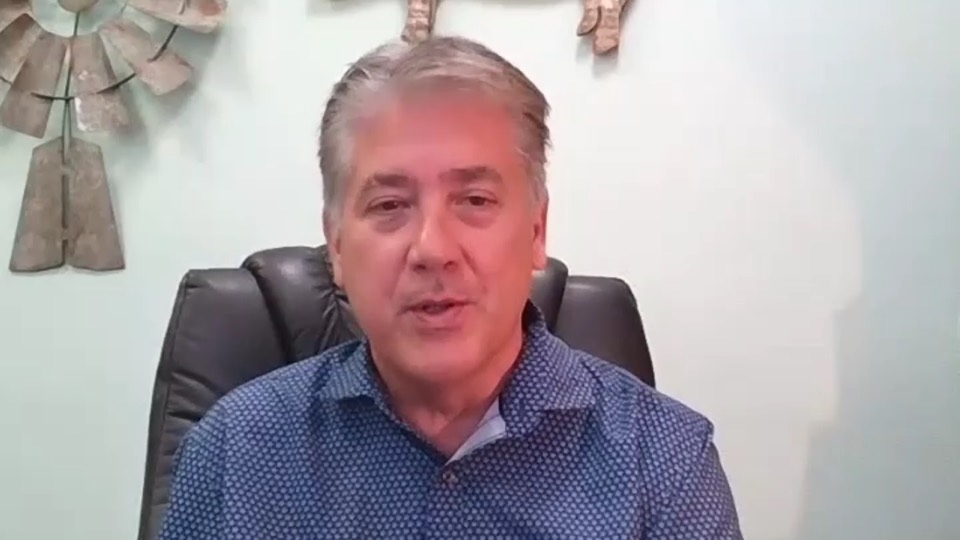
John Lucas, VP Brand & Franchise Development at Farmer Boys, is the guest on episode 73 of the Restaurant Tech Trends podcast, hosted by Justin Foster.
 Play episode
What John and Justin discuss
- How a brand founded by five brothers from a farm in Cyprus grew to 108 restaurants (with ~15 more in development) without a dollar of PE
- Where John lands on build-your-own vs. off-the-shelf software and why he's "solidly in the middle" and the POS decision he's still working through
- Why "native capability vs. active integration" is the question reshaping his whole tech stack
- Where kiosks and drive-thru AI REALLY are today and why he's not convinced the AI is "green" yet
Episode notes from the host
Time for the next Restaurant Tech Trends!!
Today I sit down with John Lucas, VP of Brand and Franchise Development at Farmer Boys, the farm-to-table brand that serves breakfast all day with full table service at QSR prices. John has spent 30+ years in hospitality with stops at Marriott, Starbucks, and Boudin, and hit his goal of executive chef by 30 (a goal he set at age 12). Most memorable part of this interview for me was when John said "No machine will ever out-hospitality a human." He made that case better than just about anyone I've had on and shares how you can lean into AI without losing the human touch.
Shout out to PAR Punchh for the loyalty love in the shout-outs.
Transcript
Full transcript (7,857 words)
Machine-generated transcript; names may be misspelled.
0:00 Hey everyone, welcome to Restaurant Tech Trends where we explore restaurant technology trends with some of the industry's biggest movers and shakers in a rapid fire short interview format. This podcast is produced by Incept AI. Incept AI takes restaurant orders over the phone and in noisy drive-thrus with friendliness and precision. Learn more at Incept.ai. My guest today has spent 30 plus years in hospitality and he's done nearly every hospitality job in the world. Imagineable. John Lucas set out to be an executive chef by age 30 and he made it with stops at Marriott, Starbucks and Boudin along the way. He joined Farmer Boys in 2017 and rose fast to VP of brand and franchise development. He believes a good teammate beats a great lone wolf and that no machine will ever out hospitality a human. I'm sensing some things we're going to need to talk about there in a bit. Off the clock, he's on the mountain. Skiing and teaching adaptive athletes to do the same. John, welcome to the show. Yeah, great to be here. Glad to have you on. Always love talking to a fellow skier as well. Well, you've been in hospitality for I'm guessing almost your whole career long time 30 plus years.
1:18 Now you're at Farmer Boys mentioned some of the other brands you were at before. Walk us through that path. Give us the synopsis of your career and tell us about what brought you to Farmer Boys. Yeah, so originally from Cranston, Rhode Island. So I had the good fortune of working at a high end Italian restaurant when I was in high school. Nice. The chef happened to be a part time instructor at Johnson and Wales Culinary School. And he saw that I had a passion for food and for cooking and he convinced me to go to culinary school. And so four years later, I was off to the races and I interviewed with a lot of different companies and they, you know, would typically ask me the same question. You know, what's your geographic preference? I was talking to a lot of hotel companies that had a national and international presence. And I would typically point out the window and say, I don't have a geographic preference. I have a climatic preference and I want anything other than this. And so Rhode Island's weather is still pretty uncomfortable. And so one thing led to another and I got a job offer to go to Los Angeles with Married Hotels and started my journey with them and had stops in San Diego and Dallas, Texas and Michigan, Detroit, Michigan and back to Manhattan Beach.
2:52 And, you know, just it was an amazing journey for nearly almost 20 years and have nothing but great things to say about the brand. It's kind of where I cut my teeth as professional and really learned how to be a leader. It's also a very demanding industry. And I had the good fortune of working in a hotel that had a Starbucks in its lobby and it was part of my overview. And I got connected with the regional director that oversaw that store and we became friends. And, you know, once upon a time, he came over to me and asked me if I was interested in joining his company. And so I went to Starbucks, spent seven years with them, stops in Las Vegas, which is probably the most exciting city I've ever worked with. And I thoroughly enjoyed that journey, but really kind of had a just a desire to to go back to the restaurant industry and was hired by Boudin and another company, which is an amazing kind of heritage. They for sure. They literally were founded in 1849 by a French baker that wanted to make some money off of the folks that were digging gold in the Bay Area.
4:09 And one thing turned to another and he found out that his dough tasted differently when he baked it in San Francisco versus France. And it had this sour flavor and hence sourdough was invented. And so they're still in existence to this day. They were on a different journey. They were, you know, they had a model that required a huge bakery, a very expensive bakery for every four locations they operated. And that had its opportunities from a span of control standpoint. And so I had the good fortune to join the Farmer Boys family back in 2017 and came in as an FBC. I've spent most of my time on the franchise license site for the last 20 years. And so it was a natural fit and kind of rose, as you said, kind of had the opportunity to, you know, some different things that presented to me over time. And rose through the ranks and coming up on 10 years in January. That's awesome, man. I love it. I love also that your career has really spanned hospitality from the beginning. You know, sometimes I talk to people on here and actually I just talked with someone who was in enterprise software and banking before he came to the restaurant industry. And there's definitely, you know, there's value in coming from outside and bringing in that perspective.
5:29 But it's not quite the same as having grown up in it and having seen the business from all different angles. And by the way, my daughter goes to school in Rhode Island as well. She says the same thing about the snow. She's like, can't wait to get over here every summer. I'm in Seattle, so I don't have the nice weather that you guys have down there. But even Seattle compared to Rhode Island, you know, it's pretty nice. So I'm glad you found your place, though, in sunny California. So a little bit jealous. Not going to lie. Yeah, yeah. Can't beat it. It's hard to go back after you've been here for a while. It's just to get used to the lifestyle. And, you know, basically the fact that it's almost it almost always feels like summer. So I know. I know. It's so nice. Well, tell us a little bit about Farmer Boys. So I know you're out there. We're busy slaying in the franchises. You know, we talked about going to RFDC and some of these other shows earlier on. But tell us about the brand. Give us the quick rundown, because I think there are a lot of people that watch this that probably are not familiar with Farmer Boys. I know you guys are farm to table, fast casual, founded in 1981. But just tell us the story and maybe give us a part that people don't often see from the outside. Yeah. So it's an interesting brand.
6:46 You know, one of the stories that I tell is I'm starting. I started my career with a Greek named George at a place called Mamas Bomones in Pawtucket, Rhode Island. And I'm finishing my career with a Greek named George here in Money Riverside, California. But it was founded by five brothers that were born and raised on a farm in Cyprus. And so they come from the Greek side of the island. They decided, you know, in the early 80s that they wanted to get their education over in California. So they came over in 1981.
7:22 And they got a job as they were going to school. And they got a job at a burger place. And one day the owner came up to them and said, listen, I want to move on, do some different things.
7:36 What's your interest in buying my restaurant? And so they did. And, you know, they, I think, had some learnings and understood that. They wanted to do something.
7:49 And they were all pretty new, even though they had a little cafe on their farm. And they were all pretty new to the business. And so I think they had some learnings. And they decided that they wanted to do something that was kind of true to their heritage of being born and raised on a farm back in Greece. And so they opened the first restaurant back in 1981, later in the year, in Paris, California. Had another Greek diner in Hollywood. And they have some great stories from early 1980s Hollywood and all the amazing people that they were able to meet there. And, you know, kind of grew from there. And so I think it really kind of started out more of kind of a, you know, kind of like I call them the one name Greek places, the Ted's, the George's of the world. Right. It kind of started out kind of with that DNA. And I think slowly over time morphed into more of a just a farm inspired, you know, kind of true kind of all American theme farm restaurant. And I think that the things that are unique to us, right, I think that we fit into, you know, kind of a special niche where we serve breakfast all day. Mm-hmm. We have a full menu.
9:06 And we do it all in a style that I think is very QSR. Yeah. We serve you in a style that I think is very much casual restaurant. And so elevated service levels, we bring the food to your table. You know, we come and pour your coffee. We clear your table. So it feels like a full service experience. But you're getting that at really a QSR price and what the efficiencies of a QSR. Yeah. There's really nobody in our space. You know, when people ask me, I tend to compare ourselves to habit, you know, from a burger quality standpoint and Denny's and I are from a breakfast standpoint. But we're really, you know, I don't know if that's justice to be honest with you. I think it's something just very different. And what we're excited about, you know, as we really kind of move forward, we're currently at 108 restaurants. We have almost 15 in development. And so we're at a pretty brisk development pace right now. We're looking to continue to track new franchisees and help us on that journey. But what we're really looking for is to kind of take that kind of all-American farm inspired, you know, essence that we have and bring it to new markets.
10:26 Because we know that it resonates. And now that we've had success in Arizona and we've had success in Nevada, we know that it resonates beyond our core market in Southern California. And if anything, I think that, you know, as we bring it to places like Texas and places where maybe the farm's a little closer to home, I think it'll continue to really resonate well and establish ourselves. All right. I want to dive a little bit more into that. And I also want to talk more about the QSR-ish nature of your business, which I think is definitely unique. Can you share a little bit more on the breakdown of the footprint? Like how many corporate, how many franchised? And for the new franchisees that you're looking to work with, are you looking for single unit operators? Are you looking for multi-unit? What is your ideal franchisee profile? Wow. Yeah. So let's start with the breakdown. We're currently 28 corporate. And I think that's important. I think there's brands out there that tend to be heavily franchised. And I think having some skin in the game and feeling the same pressures and issues that your franchises feel and sharing them with them, I think it's important from a credibility standpoint.
11:46 We're 70.
11:48 We're 80 franchises right now. And, you know, I'm sorry. We're 70. We're 80 franchises right now. So, you know, I think that that's where the majority of the growth is going to be. We'll continue to grow corporate stores as well, but at a slower pace than franchise. And so what does that profile look like? I mean, ideally, it's a multi-unit operator that is looking to diversify. And maybe they're involved in a Mexican, some kind of Mexican fast food franchise or a breakfast franchise, what have you. And they're looking to do something a little bit different. And those are the folks that we want to partner with. So folks that come to us with both the people resources and the financial resources. And most importantly, really, kind of are a cultural fit for our organization. You know, we're growing. We're a quarter billion dollar organization right now and growing from there. But we're still very much a family-run business. There's no PE involved. We don't plan on going public anytime soon.
13:06 It's tightly held by the family. And I think that that's a great thing. And I think that the family will continue to stay involved as the second generation kind of comes to the forefront. Got it. Just really briefly, when you talked about being a good cultural fit, what does that mean? Like, who is a good cultural fit?
13:26 You know, I think at the end of the day, organizations have put people first. You know, we're an organization that has extremely low turnover.
13:37 And, you know, what's interesting about that is that's not just the corporate office. That's our franchisees. And I think we lead that effort. I think the brothers model that. But, you know, I think giving people second chances, understanding that people make mistakes and, you know, work with them side by side, shoulder to shoulder, to train them and develop them. But also understanding that, you know, people travel at a different pace and you need to have patience and you need to work with them. And I think the way that comes alive on the franchise side is we have a relatively low span of control for our franchise business consultants because we want them to be able to work side by side with our franchisees. We want them to invest heavily, you know, both in, you know, the franchisee success, but in their people success. And, you know, be able to partner with their general managers and work with the franchisees on their development. All things are, you know, really important to us. And so our franchisees typically have the same level of turnover that we do. And it's something I think we pride ourselves in as an organization. Yeah. I mean, I think we're probably the highest turnover industry that's out there.
14:54 So being able to say that is definitely something in this market for sure. You just kind of like triggered something in my brain. So a few pods ago, I guess maybe it was maybe 20 or so ago, I had a guy on here who's the CEO of a company called Harmonize. They do like AI coaching for franchise business consultants. I'm curious if you guys have looked into anything like that where you're like at the software, like hooks into the POS and like hooks into these other systems, like does all the comparable sales, like one store to another, and then just kind of spits out to the FBC. Like, hey, this is what you should be coaching this franchisee on. Are you guys using technology in that area of the business right now? Or is it very much? You are. Okay. Tell us about that.
15:39 It's taking some time. It's taking more time than I kind of can't really want it to. But we have all of these different software inputs, right? And what we don't have is a consolidated kind of one point view on it. Yeah. So I think beyond having kind of that executive summary, that GM summary where, hey, I'm starting my day and I know exactly where our restaurant stands and the things I need to focus on. But I think AI digesting that and being able to give them something in a short paragraph around, you know, week to date, your labor is running at X and your customer experience numbers are running at Y. And these are the things you should focus on. You know, our customer experience analysis tells us that, you know, at night between six and eight, your drive-through slows down by two minutes. And your guests are indicating that through the speed of service metric that we measure. I mean, everything's measured, but it, you know, to take the time, you know, as a busy general manager and dissect all that and then come up with coachable moments for your team, I think it's challenging. Very challenging. You know, and I think us looking for ways to really kind of digest all that for them through AI and be able to give it to them in small bites where they can run with it and immediately impact their business and know what they need to focus on, know where and who they need to coach, I think is going to be amazing.
17:17 So we're in the testing stage of developing that we have an outside company that we work with that has been doing some work over the last few months, really taking all the different software, integrating them into one tool. I see. Our first view of that a couple of weeks ago, I was really pleased. And I think it's going to really kind of over time really evolve how our general managers run their operations. All right. That's very cool. Definitely would like to check back in with you in like six months to see how it's going. Is this totally custom that you're building or is this something off the shelf that you're using? Yeah. You know, you asked a question in the frame up to our conversation around what AI tools we're using and candidly, nothing off the shelf. It's all being developed internally. Interesting. And I think as, you know, ChatGPT and Claude and, you know, Codex have all come to the forefront, you know, we have some very talented people here working in our IT department that have been able to take them and just run. And so one of the projects we're working on right now is doing a proprietary POS system. And we've, you know, for a while been looking at different software and, you know, a bunch of different systems out there and understanding that, you know, there might be a different way with all these tools coming to the forefront.
18:43 There might be a different way of looking at this. Yeah. And we're currently analyzing whether that's the best way to approach it because there's certainly benefits to taking something off the shelf where a lot of problems have already been solved and a lot of testing has been done. Yeah. But there's also something to be said for having a tool that's unique to your environment and your brand. So we're trying to figure that out and balance the tool too as we move forward with a POS change over the next year or so. All right. I'm definitely going to want to like dive into that a little bit more, but I kind of got a little bit ahead of ourselves as I was asking about the FBC stuff. Before we get too much more into the tech, I do want to talk a little bit more about your model because you're one of the only fast casual brands that does drive through well. And it's interesting because who I just had on the pod before is another company called Costa Vida. They're another fast casual, but they also do drive through well. What is your secret to doing it well with your model? And I was reading something. There was some sort of project that you guys worked on where you cut a bunch of time off your speed of service. What did you do to make that happen?
19:59 Yeah. So a lot of it is really finding ways to streamline everything and having a back-of-the-house system and cook line, assembly line that enables you to do that. And it's a challenge, right? Because everything is done fresh. You know, literally when you roll up to our drive-thru and you order a ham and cheese omelet, we crack the eggs. Yeah. We don't, I mean, nothing, nothing is prepared. We want it as fresh as possible for our guests because we know that that quality level is what clearly differentiates the brand. Yeah. And so finding ways to have efficiency in the kitchen and having training programs that enable our back-of-the-house cooks to, you know, get up to speed quickly and be able to produce good food quickly, I think it's kind of the secret sauce for us. And we've had a lot of learnings over the years. We've had several different iterations of our cook line. We continue to kind of look at that. We continue to look at what levels of automation that we could apply there. And there's been a lot of evolution around there, you know, in that space as well.
21:16 We've looked at, and we continue to look at robotics and think about, you know, is there some efficiencies there? Do you think there is? Because this is an area that has been, like, very hyped up. There was, like, the flippy thing and then the skippy and the dippy, and I forget all the different ones. And flippy, chippy, and dippy. And we've had conversations with them all.
21:39 And, you know. It's so capital intensive. That's the problem. It's so expensive. It's very capital intensive.
21:46 They're very space intensive. Yes. And there's a level of maintenance in remote oversight that it needs. I think over time, as they're able to downsize and, you know, have, you know, a product that I think is probably less cash intensive and a lower investment. It doesn't necessarily require, you know, a computer software engineer to be sitting on the other side of your fryer like it kind of does now. I think, you know, we're staying close to them and monitoring their progress because we think there's going to be a time. Yeah. It's going to be called gastronomist, which is basically a turntable grill, which I've never seen before. What's it called? It's a turntable grill where you place the patty on the grill. It seasons it and it flips it for you. I've never seen the name of it. What is the name of that thing?
22:49 Gastronomus.
22:51 It's based here in Southern California. It's a phenomenal product. Interesting. I think they're probably further down the line than anything else we've looked at. But again, you know, pretty significant investment. And so having that balance around, you know, based upon our, you know, $20 minimum wage. Yeah. And we're paying cooks substantially more than that. We're really kind of thinking through, okay, you know, where's the break even with some of the significant investments they're looking for? Yeah. And I don't know if we've come to that conclusion yet or have an answer. Yeah. But we continue to look. And a lot of them are based here in Southern California. So, you know, I think it's easy for us to kind of stay on top of it and continue to visit their labs and understand kind of what their latest and greatest products are. All right. And we'll see what the future brings. What about other back of house automations or efficiencies? So you also mentioned just, you know, even though we're here talking about tech, like not everything is tech. You talked about training programs. So, like, what are some other things that you've done to speed your make times and reduce that total speed of service? And just out of curiosity, what is your total speed of service average right now? So total speed of service is under seven minutes. So 630 is our goal. That's a brand. Okay. We tend to run right around there.
24:07 And that was a journey. And you spoke to that earlier. Even in the drive-thru? Or is that drive-thru? Yeah. Total drive-thru time is 6 minutes and 30 seconds. And so I think the opportunity we have, right, is that we don't ever want to be, you know, a fast feeder. You know, everybody knows who they are. And the reason we don't want to ever be that is because we don't want to hold anything. We don't want to have anything on a warming shelf. Yeah. We want everything to be produced for you the way that you want it and as fresh as possible. And again, that's what the brand's all about. And so will we ever be a four-minute brand? No. We don't want to be. And I think that I guess over, you know, over the course of a couple of visits, we come to find out that, no, we're not going to get the food out for you instantly. But it's going to be fresh. And it's going to be the way that you ordered it. And you can't see that for a lot of different brands out there. And you're also going to get that at a price point that's pretty close to those other brands, right? And so, you know, I mean, the difference in quality and freshness is significant. And so we can put a premium on that. Yeah. But at the end of the day, we're still, you know, we still have a drive-thru and we're still considered a QSR boy, I guess.
25:28 And so we need to stay close to those points. You have the full menu available in drive-thru? We do. Okay. Well, awesome. Very cool. Well, I love the concept. It's definitely unique. You guys are truly occupying your own niche. I struggle to think of a direct comparable to you. So, you know, congratulations on all of the growth. We did dive a bit deep into the tech a minute ago. I want to bring us back now to that. And let's go a little bit deeper into the building our own stuff and the platform consolidation and all these great new tools we have like Codex and Cloud Code. And like we were talking about some of them earlier.
26:11 You mentioned maybe working on your own proprietary POS. And there are some brands that are out there that have done their own. I see most of those guys are more like in the pizza space. And there is definitely a lot of talk now with these new AI tools that have essentially democratized the ability to build software to, you know, anyone really.
26:37 So there's a lot more interest and I think excitement around this idea of just kind of building our own stuff. But of course, there are also drawbacks to doing that, particularly when you think about scalability and maintainability and, you know, focus on the problems, you know, that specific types of software are designed to address. Where do you guys fall in that continuum? Does it depend on like what the software is? You gave like the example like POS. Are you kind of in the stage right now where it's just like a wild west, like just build whatever you can, see what efficiencies we can build internally? Are there certain like sacred cows where it's like we will never do that. We're always going to partner for it. Where philosophically does farmer boys fall on that spectrum? Yeah, that's a great question. I'd say we're solidly in the middle. And so we were kind of actively kind of working through trying to make a decision around where we go with our POS system. The POS is basically the foundation of everything. I think one of the learnings that we did have was in really kind of looking at both sides is we would like something that has native capability rather than requiring active integration.
27:59 And so, you know, the last brand I worked for, you know, we literally had a software team and that's all they did was keep everything integrated because everything was a disparate set of tools. And I think that was the norm like 10, 15 years ago. I don't think that there was a lot of the brands that were much ahead of us. But now I think with some of the capabilities that you're seeing come to fruition, I think that we can start to think differently. And, you know, one of the companies that we've looked most seriously at had that native capability to move forward on pieces that, you know, I think are going to be part of our tech stack in the future. What are some of those ones? Sorry to interrupt you. But like what are some of those pieces that you see? Because this is like this is a very hot topic right now, right? Like POS, like absorbing more things versus like building like the ecosystem for best of breed. Like what do you see as the ones that are like they got to be part of it? Yeah, I think digital menu boards would be awesome. We just had a menu launch on Tuesday and I went to a restaurant on Monday and they were getting ready to put up their new menu boards. And, you know, it's time intensive and candidly, I think a little bit old school.
29:15 I think there's things you can do with a digital menu board from a marketing and brand storytelling standpoint. You can't do it with a static menu board. So I think we want to get past that. I think having a fully integrated KDS system and getting away from paper tickets, I think is pretty critical. As we kind of think about how to further streamline our back of the house. And we have KDS in the majority of our restaurants. And so that won't be new, but I think kind of really kind of thinking about how do we do that in a more dynamic fashion? And how do we do some low balancing between the two lines that we have? We'll continue to kind of evolve that and innovate around that. I think eventually, you know, I think the reality in California, you know, with $20 minimum wage and now you're hearing, you know, chatter about a potential $30 minimum wage. I think, unfortunately, kiosks are probably going to be part of our go-to-market. I don't think we'll ever be a brand that will remove a presence in the dining room. I think we'll always have that presence in the dining room. And I think whatever we do really needs to be done in a way that allows us to continue to live in the service levels that we do.
30:35 And so maybe your cashier becomes really a dining room ambassador.
30:40 You know, you start to really kind of rethink how do you do this and create efficiencies?
30:46 But doing it in a way where, you know, you're able to control the labor cost pressures that you have. And that's a little triggered by the fact that, you know, we're in a competitive marketplace. And so we were hit with this $4 minimum wage. We didn't raise the price of a cheeseburger in $4, right? I mean, there were, you know, there's limits to how much you can have your guests absorb. And so we want to be, you know, very conscientious about that. And I think that there's a high level of sensitivity with our guests, you know, around inflation and around, you know, menu costs. And so we want to be thoughtful and continue to deliver a high level of value to our guests. And I think that, you know, you need to find ways to do that. And, you know, labor efficiency is part of that. And so I can see going in that direction as well. And I guess the other two parts that we've looked at are drive-through AI.
31:50 You know, and again, I mean, there's a trade-off, right? You love the human touch. I don't know if drive-through AI is quite, you know, green yet. It doesn't seem like it's fully fleshed out. And I think, you know, once we see that it delivers a very human experience, I think we may consider it. But right now, you know, what we've seen and we've done quite a bit of shopping around this, I don't think is delivering the guest experience that we want to deliver. And again, we're always going to drive to how do we create a high-touch experience, but do it in a way where it's profitable for everybody involved, whether it's our corporate stores or our franchisees. And ensuring that, you know, Farmer Boys remains an attractive option for franchisees that want to diversify and enter into our system. Yeah, I feel like there's not a restaurateur out there that is not dealing with this problem of, I mean, I think it's being felt most acutely in fast casual and in QSR, but even more so kind of in fast casual, of knowing that you have to automate, knowing that you have to reduce your labor costs, even though that can be something that we don't like to talk about sometimes publicly.
33:11 And keeping the human touch there and not losing the hospitality and finding like where is the line. So you said like, unfortunately, kiosks, then it sounds like on the drive-through AI, you're not feeling like it's quite there yet. Where do you think the technology is good enough right now? Is it doing the kiosk with the dining room ambassador thing like you were talking about? Is it like, you know, better, more personalized recommendations on kiosks? Is it, you know, more like mobile app stuff? Like where can you make those investments today that you think will allow you to keep the hospitality and automate at the same time? Is it just kiosks? Yeah, I think the kiosks are probably the best example. You know, just back up for a second. We had quite a bit of innovation in our mobile app. We launched a mobile app a couple of years ago.
34:08 We're driving forward with first-party delivery. We've been a player in third-party delivery for quite a few years now.
34:16 And I think that that mobile experience has really evolved nicely. I think the work that's been done around a loyalty program and partnership with Punch, I think, is yielding some really great results. But I think when, you know, you think about the in-store experience continues to be a critical part of the brand. And, you know, I see what McDonald's is doing. I see what Abbott is doing. And I think it's a creative to the brand, right? It still feels like a good brand fit. I don't think we'll ever go to the place where McDonald's seems to be going now where, you know, I'm going to stores now and there's not even a cashier. There's somebody handing out food. And I don't think that will ever be us. But I think, you know, I look at the kiosk more as a line buster. And I think, you know, because I spend a lot of time next door to our Riverside University store. And it's not entirely unique. But the experience there and the bulk of the traffic is between 11 and 1. And they are, you know, we sit in the middle of downtown Riverside. And we're surrounded by county offices and a courthouse and a lot of different state facilities there.
35:32 And so 11 to 1, we are rocking. And if I can make that experience a little more seamless for the guests where, you know, when we start to back up at the cashier, there's another opportunity to engage in a kiosk. I think, you know, that's, I think, maybe a different way of thinking about it rather than that just being the option. I don't ever see us getting to that place. I think we'll always have cashiers. I think, if anything, maybe we'll have less of them and have more options around kiosks. But I don't think we'll ever get to a place where we just completely remove that. You know, I've just seen this talk about kiosks is you see different brands approaching them in different ways, right? And I don't think I've ever talked to the brand that said, like, oh, I'm going to do kiosk. And we care about hospitality. And, like, we're going to have the cashier there. But, like, when you actually go out in the real world and you see it, you can tell who actually believes that and who doesn't believe it. Because I'm not going to, like, name names of any brands. But there are some pretty big brands out there that have gone deep on kiosks more on the QSR side than you guys are. A little harder on the QSR side. And there's a cashier there.
36:47 But that cashier is not there looking at the guests with open arms. Hey, I'm here. I can help you out. I can take your order. No. They're bagging food. They're doing drinks. They're doing something else. They're not really there to take care of the guests. So I didn't mean to interrupt. You can literally tell. Like, when you go for it, you're going to do it. You're either going to do it with the hospitality, like, do it and say that's what I'm going to do, or just be like, nope, we're just trying to, like, get people out of here. I think, you know, it's so baked into our DNA that that hospitality aspect. We have a word we use here. It's called phyloxenia. It's a Greek word meaning making friends out of strangers. We live and breathe it here. That is so part of how we do business. And it's such a part of our culture that I can't ever imagine us getting away from that. And, again, kind of back to one of my earliest statements is, like, why don't we want a PE firm kind of in the middle of it all? And why don't we want, you know, outside interests involved in our – because we want to keep all that. Because we know that's what's made the brand successful. And I think, you know, folks could come in and, you know, if we became a public company or driven by PE, they'd be like, oh, that's great.
38:07 But you could probably make, you know, X amount more if you got rid of all that. Well, then it's not the same brand. And I think, you know, I have experience with a brand that had an interesting hospitality journey, right? They're very, very public, you know, publicly shared over the last couple of years around where they lean heavily into digital. And I tell the story of a location I can actually walk to from my house. And we're, you know, as an employee, I would go there all the time as a partner, as we call ourselves. And I would go there all the time. And I knew the whole staff. And that was many years ago. And now I still go to the same location. And it's gotten better over the last year. I got to give, you know, the new CEO a lot of credit. But, you know, for a few years, I felt if I walked in and I want to order a drink, I was, you know, I was not welcome. I was definitely a second thought. And they had become such a production machine where everybody was focused on production. Nobody was focused on hospitality. Yeah. And I think that's evolved. And God bless them. I love the company. But I don't think that that'll ever be us. That's just not who we are.
39:23 And that's not what made this brand successful. All right. Well, it makes sense. And I have mad respect for that. And by the way, I'll just make this other comment because you mentioned the drive-through AI earlier. And that's what we do. I agree with you. It's not as good as a human right now. I think it's gotten much better with, like, voice cloning and just the naturalness of the interaction. But there are still things where it's just not as good, especially when, you know, you have, like, items that are out of stock. But they might not be 86 in the POS. You know, your crew is right there. They can see it. Voice AI agent doesn't know. It just doesn't have that same context. So I do think it's getting much, much better. But I do agree with you. It's not all the way there yet. It might be a surprising thing to hear from me. But anyway, I agree with you on that. All right. We're running short on time. I do want to ask one more question before we get to our rapid fires here, which is because you guys are in kind of heavy franchise, franchising mode right now. You know, franchisees, like, tale as old as time, very skeptical of any mandates coming from corporate, particularly around technology. Not just technology, but technology is definitely in that bucket. Do you have, like, a specific playbook for how you're collaborating with your franchisees?
40:41 Like, you have a franchisee board. How involved are your franchisees in helping evaluate technologies, make decisions? Like, how are you making that a partnership so that you encounter less resistance when you mandate stuff for your franchisees? Yes, I think it's three parts to that. So we have a very active and very vocal franchise advisory board. And I say that, you know, in a way where I think it's wonderful that they're vocal. I think it's wonderful that they push back and they are really truly where the rubber meets the road. The majority of them are multi-unit operators. And they're all very experienced with the brand and in some cases with several other brands. And so we respect and we partner with them. And, you know, the way I frame that oftentimes is that we will walk into that meeting. We meet with them once a month. And we'll walk into that meeting and, you know, we share an agenda. And we have things that we're, you know, that we're thinking about from a, you know, strategic direction standpoint. When we frequently walk out, we head in a different direction.
41:59 And I think that's good. I think that that partnership and, you know, that ability, because we're still small, that ability to be nimble.
42:10 I think it's a strength of the brand. You know, and I hear these horror stories. You know, I've been a franchising for a bit now. And I hear these very scary stories around, you know, that adversarial relationship and the Z's and the Z's. And I sit there and go, shame on them, man. Yeah. You're really not listening to each other. Yeah. You need to be respectful and take the time to listen to each other. So I think that's a big piece of it. I also think probably the more important piece of it is how our FBCs work on our franchisees. And the way I frame it with them is these are 28 relationships. You know, this is like a long marriage. Yep. So we need to find a way all to, you know, get along and build a strong partnership. Yeah. So it's built by, you know, that one-on-one, that, as I said earlier, kind of that high-touch approach, being there, you know, candidly, you know, 24-7, being there for them when they need you. Yep. You know, nights, weekends, whatever, you're there for them. And they know, and I think they respect the fact that we're there to ensure that they're successful.
43:27 Because if they're successful, we're going to be successful. One of the things we do with our multi-units is we have quarterly business reviews. We get really deep into their data. And we talk a lot about, you know, not only the customer experience and their financial results and all the things that are important, we also talk about their people and how you're developing people and how can we help with that. Yeah. What does your bench look like to be able to enable the growth that you have planned? And so I think kind of that side-by-side, I think, you know, partnership, I think, is really important. But at the end of the day, it's building strong relationships. And, you know, and I think the fact that we operate a lot of stores and feel the same pain, we have a lot of credibility with our franchises. Yeah, for sure. They respect the fact that, you know, that we're all in this together. Yep. People, partnerships, and relationships, man. I mean, that's like what it's all about. It's how this business exists. All right. Well, John, we are unfortunately at the conclusion of our standard portion of this podcast interview. And it's time to move to our rapid fire segment. So for everyone that is watching, listening, I'm about to ask John a series of questions.
44:45 And John has no idea what these questions are. The rules of engagement, John, are try to answer each one of these questions with one word if you can, one sentence if you can't. Are you ready? Yeah, go for it. All right. What's the farmer boy's order you get every single time without thinking?
45:07 Without thinking. Cops, Alan. All right. Drive-thru or dine-in? Drive-thru. Skiing or hiking? Skiing.
45:19 What is the most underrated job in a restaurant?
45:24 Dishwasher.
45:27 AI in restaurants. Hype or here to stay? Here to stay.
45:33 How about a great player that's a bad teammate? Do you draft them or pass? Pass. Hard pass. Ah, interesting one. All right.
45:43 Executive chef by age 30. How old were you when you set that goal?
45:49 Probably 12. I don't know. I was young. Whoa. That's awesome. All right. What is one word that has to be true of every farmer boy's location?
46:00 Welcoming.
46:02 All right. Welcoming. John, I want to thank you very much for your time here today. I learned a lot. This is a great conversation, by the way, man. I love what you guys are doing. I love the concept. I love how you're staying true to your roots and your DNA and not letting the hype get out too far in front of you guys here. Everybody, John Lucas, VP of brand and franchise development at Farmer Boys. Thank you, John. Thank you. Been a pleasure. Thank you.