Episode 79 · October 27, 2026
Randy Barnett
Former CTO · The Melting Pot
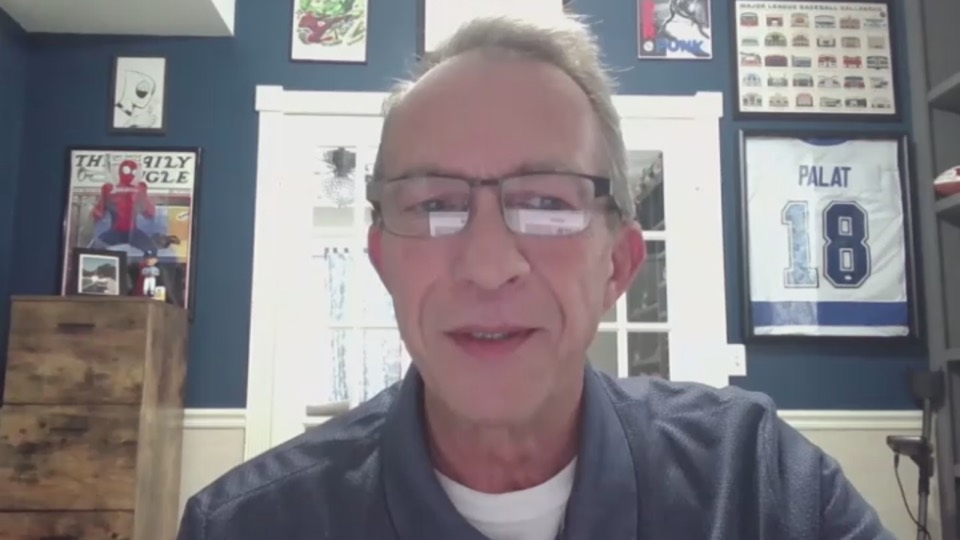
Randy Barnett, Former CTO at The Melting Pot, is the guest on episode 79 of the Restaurant Tech Trends podcast, hosted by Justin Foster.
 Play episode
What Randy and Justin discuss
- What it was like being one of Toast's first enterprise accounts, and keeping the rollout alive when COVID hit with the system roughly halfway there
- Why franchisees sat on the selection committee from day one, right through a unanimous go/no-go vote
- How bringing POS, reservation, and guest data together unlocked a 360-degree view of the guest, from the loyals to the once-a-year anniversary crowd
- What REALLY surprised him about voice AI for reservations, and why there was "no middle ground" with guests
- Why cutting costs without reinvesting just makes you "efficiently smaller"
Also in this episode
- The rapid fire round, where Randy names the most overhyped AND most underrated tech in restaurants, picks kiosk vs. human at the counter, and finishes the sentence "Five years from now, the restaurant phone is ____" (I like where his head is at)
- His favorite date night meal that isn't fondue
Episode notes from the host
"Tech doesn't create a reason to visit. Its job is to remove the reasons NOT to visit."
My very first guest ever is back for round two.
Today on Restaurant Tech Trends I sit down with Randy Barnett, former CTO at The Melting Pot, the fondue brand built around one of the most experiential nights out in casual dining. Over 9+ years Randy moved every Melting Pot, corporate and franchise, onto one POS, built the data warehouse behind it, and put a voice AI reservation agent on the phones. He has served on the Toast Customer Advisory Board and the FS Tech Advisory Board, and (full disclosure) he advises us here at Incept AI.
Randy has been in Incept's corner since before this show even existed, and I'm so grateful. Can't wait to see what he does next. Give it a watch and let me know what you think
Shout outs to Toast, Polly AI, Servai, and Cubbly for the tech-stack love along the way.
Transcript
Full transcript (7,861 words)
Machine-generated transcript; names may be misspelled.
0:00 Hey everyone, welcome to Restaurant Tech Trends where we explore restaurant technology trends with some of the industry's biggest movers and shakers in a rapid fire short interview format. This podcast is brought to you by Incept AI. Incept AI takes restaurant orders over the phone and in noisy drive-thrus with friendliness and precision. Learn more at Incept.ai. All right, we got a special one for you guys here today. My guest is Randy Barnett. Randy is the very first guest that ever appeared on this podcast. He agreed to come on this podcast before this podcast even existed. And here we are about a year and a half later, maybe not quite a year and a half, I think a year and a few months. He's back for round two after more than nine years leading technology at the Melting Pot, most recently as the CTO. While he was there, he moved the whole system onto one POS platform, which is Toast. He kept that migration going through the pandemic, built the data warehouse behind it, and he put a voice AI reservation agent to work on the phones, which I'm curious to learn a little bit more about that here today. Randy has served on the Toast Customer Advisory Board and the FSTech Advisory Board. And full disclosure, he advises Incept AI. That is a partnership, Randy, we are extremely thankful for. Randy was really instrumental something I will be grateful for. Randy, welcome to the show.
1:35 Thank you, Justin. You didn't scare me off the first time, so, you know, it's been a while, though. It looks like you upgraded the studio as well. I got my little neon thing here. I'll do this for the first time on air. I don't think anyone's ever seen this, but just so you know, see, we can turn it off and we can turn it on. It's a real, real thing. It is real. We got out to the Kings of Neon, so, yeah. Randy, no, you know, I love you, man. No smoke there. You've been, you've been huge for Incept AI and I'm really excited to see kind of what you're going to be working on next. You know, as I mentioned, you were the very first guest on this podcast. You've been on a nine-year run at Melting Pot and right now you've got a clean slate in front of you. So, as you look back over your run at Melting Pot, what is it that you are proudest of and what are you most excited about for what's coming next?
2:37 Man, a couple of things I'm very proud of. First and foremost, the team that we had there, the technology team. They were just fantastic. We put together some really smart people and did a lot of good things. They made my job so much easier, so I have to give them a shout out. But, you know, like you said, you know, one of the things I'm very proud of is that we got every Melting Pot, corporate and franchise, onto one POS system. That was a big deal and, you know, in turn, one set of data. That's not glamorous, right? That is blocking and tackling. But it helped us set the stage for everything else we did for all of our data warehouse, for AI platforms going forward. So, that was pretty instrumental. Very proud of that. So, yes, what's next? You know, I am looking for CTO and CIO roles, doing some fractional work for a couple of brands that need some senior leadership, just not full time. And, of course, my advisory board work with Incept. I'm advising SurveyEye. I'm advising Copley. And that keeps me busy, keeps me close to what's going on. Love it. You know, quite frankly, the clean slate, as you mentioned, is very energizing to me.
3:55 Well, I'm really excited, Randy, for your help on this event that we're going to be doing in Tampa coming up. So, I'm going to be down there in just a few weeks and we're going to be hanging out. We're going to be talking about restaurant tech down there. Let's click a little bit in on this toast migration because I think, I mean, obviously moving a POS system is probably the toughest type of system that you can move in any restaurant, especially when you're doing that in a franchised environment. You've got to develop all the buy-in. Plus, I do believe you were one of the earlier ones to move on Toast that was not like a small brand. So, you were really kind of pushing the envelope there with Toast as they started to push their way up market. What was the environment like before that migration happened? What prompted it to happen? And what were some of the biggest challenges that you had to overcome as you were rolling this new system out? And please, let's be real here. Let's talk about some of the things that maybe weren't quite ready that had to get a little finagled and finessed along the way. Yeah, you're right. We were one of the first, what they, at that time, were referring to as enterprise accounts.
5:10 They're much larger for Toast nowadays. So, we were one of the first. This was 2018-ish. You know, some of the stuff that was going on that we really needed to get our head around is we really wanted to have a stable platform with some stable data. You know, and we can talk about it more later. But, you know, nobody was sure what numbers were what. You know, you'd get a little here. You'd get a little there. Then you'd cobble it together. You know, our CFO would be building out spreadsheets for something and, you know, dragging data from three or four different systems. And it was a mess, right? It was chaos. So, you know, that was one of the things that we really wanted to get our arms around was just, you know, let's wrangle this in. And, you know, starting with the POS, let's get one system of record so we can get everybody on the same page.
6:07 I think when you were, I might be wrong about this, but I think as you were rolling out, this was happening in when COVID hit. Is that right? Well, yeah, we started our RFP in late 2018, started getting our pilots rolling in 2019, and really started ramping up our rollout in 2019. So we had, I don't know, somewhere around 40, 50 locations on toast. And then all of a sudden, you know, second week in March of 2020 hit. And, you know, we were faced with what are we going to do, not just as a tech team, but as a business, you know. And there were at that time roughly 100 units total? Something like that, yeah, roughly 100 units. So we were close to being halfway through when the COVID hit. Okay. And so what happened when COVID hit? Well, you know, I mean, first and foremost, we were trying to help our franchisees, you know, keep their businesses going, whatever that took. And, you know, the first thought was not POS. It's, you know, how can we, you know, help anyway? Right.
7:16 So we said, look, we're not going to force the POS. We're not going to make anybody do anything that they're uncomfortable with. Half of these guys were closing their doors. You know, they couldn't do anything. Yeah. But there were some that stepped forward and said, look, you know, we're going to try to make the most out of this, you know, do whatever we can, get some online ordering rolling or whatever. So if they wanted to, we would, you know, we would let them go ahead and roll it. And we supported that. But we didn't force it. And how many went? Like 30, 40? Like how many? Yeah, something. Yeah. Well, you know, something like that. You know, the ones that wanted the online ordering were the key, right? They, you know, they needed something. They needed some revenue. And this gave them the opportunity to not only keep their doors open, quote unquote, but also pay some employees to be there and do some things throughout, you know, this rough time that they might not otherwise have been able to do. You know, it's crazy. I mean, all of us that are in this industry, I think when we think back to COVID, I mean, it was a nightmare for everyone. But when I think of a brand like the melting pot, I mean, that is like maximum nightmare scenario because so much of the brand is built around the experience of like being there with like the fondue pot.
8:32 And like you're sitting across and like you're doing it's just such an experiential type of thing. When you were forced to turn on these online orders, how much of an impact did that really have on your on your restaurants? Oh, it was it was a huge impact. I mean, again, you know, people want to have that experience, that face to face, that sit down. And of course, nobody could do it. Right. It wasn't just us. I mean, there were a lot of other experience brands that were trying to figure out what to do. But, you know, our goal was was, OK, let's again, number one, keep the restaurants doing whatever they can do to generate some cash, but also allow the guests to somehow understand, hey, we're still here. We still want you. We still want you to enjoy our product. You're just going to enjoy it in a little bit of a different way for a little while. OK, so online ordering. Definitely an unlock here. You talked about the CFO pulling stuff out on spreadsheets. You've moving everyone to one platform. Like what was the big unlock that you got out of this rollout?
9:41 Well, one platform, obviously, you know, it unlocked a single global database, if you will. We could compare apples to apples across all the units. The foundation was set for everything and then came the data warehouse. So, yeah, this was a this was a foundational technology for us. I mean, we had to get that up and going. That was, you know, to me, that was that was the only way we were going to move forward as a brand. We couldn't predict everything that was going to happen, but we did know that we needed to get some of that data just kind of in a controlled environment where we could do more with it and provide the answers that they were looking for. So once you got this data warehouse rolled out, like just give us like a concrete example. What what was something that franchisees were actually doing differently? Like how were they running their businesses differently after you rolled it? Well, they really stopped, you know, guessing about things. I mean, you know, that's just kind of the way it was. And again, it was not their fault.
10:47 And then they started asking the right questions. Then they started saying, OK, I see this. Now, what do I do to get to here? So I think I think it really helped them be more intelligent about their business. It helped them make decisions quicker. And ultimately, you know, at least I hope there was there was value there for them. So some of those decisions, though, like let's let's drill in it a little further. Like, are we talking scheduling? Are we talking like demand forecasting? Are we talking pricing? Like what were some of what were some of the specifics?
11:26 Demand forecasting? Yes, that was a big one. But I think that, you know, one of the biggest unlocks for us. And I think it really started helping get the get the flywheel going, as you say, was that 360 view degree view of the guest. Yeah. When we brought POS reservation and guest data together, we were able to layer in RFM technology, guest taxonomy. Then the franchise starts understanding their guest better. We start understanding the guest better. We know who the loyals are. We know who's lapsing. We know who came in once a year for their anniversary. And we could market to them differently. Right. As as knowing all this, it wasn't like we were just sending out one piece of email to three million people. And it said the same thing for every one of them. I mean, I could talk to you differently than I could talk to myself. And it was that was a big unlock for us. That's the holy grail, man. And I mean, definitely today, like one of the hottest areas in the space, as I'm sure you know, is like a lot of the AI driven personalization stuff that you can do in loyalty programs.
12:32 So I guess that is a good segue for our next little one. So you did implement several AI initiatives while you were at Melting Pot. One that we talked about is you worked with a company called Poly AI, which makes a voice reservation agent. And just full disclosure, in Scept AI, we don't do voice reservations. So we didn't have any conflict or anything like this on the voice AI stuff. Always excited to see what others are doing out there. Why did you decide to do that? So you guys are kind of like, and I asked this from a place I think you can understand, but.
13:12 I don't think that voice AI technology is all the way there yet to like what a human can do. And that might shock some of our listeners to hear me say that because I'm in the voice AI space. And you guys are like a fine dining brand. Or I'll say you're like straddling like casual in fine dining, very, very north of casual or, you know, fine dining.
13:37 That's got to take some guts, man, to put a system in place like that where you have like an automated agent that's answering the phones. Like what was the impetus for it? Was it successful? What are some of the things that kind of surprised you when you put it in front of your guests? And if you had to do it again, what would you do differently? Sorry, that was like six questions in one. But really what what made us want to start looking at this originally was. We just felt like we were missing revenue. There was a there was a leak there on the phone. OK. For a couple of things, I mean, sometimes guests would call like after hours and of course they could leave a message or maybe they couldn't. Still meant somebody had to pick up that message, call this guest back. And by then, if you if you probably went and made a reservation somewhere else. So we thought there was a leak there. But we also thought there was a leak like during peak hours. Really, really hard to answer the phone. Right. You've been in restaurants. You know how this is. It's loud. It's noisy. You know, there's all kinds of things going on.
14:48 People don't always answer the phone. They don't always answer it quick enough. They may be short with a guest. They may not. They may be off brand in the way they answer. So so we felt like there was plenty of opportunities there to to to catch some of this revenue that we felt like was just leaking out. Okay.
15:07 And so you put it in and did you solve the revenue leak and like what did guests think about it and how did the crews react to it? Um, and like what didn't work well there that if you had to do it again, you might change. Well, believe it or not, uh, you know, with what surprised me was that there was really no middle ground. When the agent was good, the guests loved it. When the agent was not good, they weren't happy. Right. So, you know, yes. You know, a guest calling about their anniversary. They expect hospitality. They don't want a phone tree. Yada, yada. There's there's a million different reasons that a guest may or may not respond well to to an AI.
15:55 But, you know, the other thing that really surprised me is a lot of the calls weren't just about reservations. They were like, what are your hours? What kind of parking do you have? Do you have handicap accessibility? There were a lot of things that we learned after the fact that go into the, to the FAQ that are just information and good information. Because if you call and you, and you need to know, hey, is there handicap accessibility? And you can't find that out where you're moving on to the next place. So, you know, there were, there were a lot of things about that. There were, you know, you know, could you, could you give me allergen information? Could you give me gift card information? So there were, there were a lot of things. And yes, it did solve the revenue leak, at least from my perspective.
16:46 I mean, we immediately saw some ROI there. Just simply because we knew, or at least we felt like we knew there were, there were plenty of opportunities that, that the phone wasn't being answered. What we went, what we did was we went back and looked at those reservations that were being made on those off hours, you know, from four o'clock to six o'clock the next morning, whatever. We were, we were, we were completing bookings. All right. I love it. You know, it, I, there is one thing you said, Randy, that I totally agree with. And I don't know if it's a for better or for worse kind of thing, but it is true that the standard people hold an AI agent to is much different than the standard. They hold another human to, you know, it's not like humans can make even more mistakes than AI, but people are much more quick to forgive a human that makes an error or can't find something. Like you talked about the allergen information, but when an AI agent can't do it, man, people just get pissed off. You're. Yeah. It's, it, it's, it's amazing. Um, you know, the other thing too, that was, was important to us is that we kept on brand. You know, we knew that we weren't always getting the best brand experience when a guest called.
18:03 That's your first experience or could be your first experience with your brand is when somebody's talking on the phone. And like you said, a human can have a bad day and just be like, you know what? I don't want to talk to this guy. I don't want to even answer this phone. I don't even want to be here. The, the AI doesn't have that problem. So, so that was helpful as well. And it kept things on brand and, and, you know, look, occasionally you're going to get the person that just simply doesn't want to interact that way. But by and large, it was, it was fine. All right. Um, well, let's move on to keeping technology on brand. And, and I don't like to use this word invisible, but I, I feel like a really good AI experience, especially if it's guest facing should be fairly invisible. It should be pretty, uh, natural and friendly. Um, we talk about friendliness and precision over here. Um, you have said though, that the best restaurant technology is invisible to the guest. And I'm curious, how do you sell a technology budget to a board and to franchisees when the goal is for no one to actually notice that it's there? Well, it's never easy.
19:22 I'll just start with that. But, you know, what I always say is you, you don't sell the technology. You, you sell the outcome, right? For sure. And that people, especially the outcome that people notice, like managers on the floor, instead of being in the office, faster turn times, better books. You know, I frame it up as risk and capacity. What happens if we don't do this? And what does it give our team back? That's to me, the way to do it. I mean, you know, going in and saying, I need X amount of dollars for an AI system without really talking about what it's going to do for you. I mean, a lot of people say, well, AI saved me five hours this week. Well, OK, where did those five hours go? What did you do in those five hours that you supposedly saved by AI? And I think that's really what you have to talk about is the outcome. All right. Well, since you said it, let's let's talk about that a little bit. Where is an example where you deployed a solution? It doesn't have to be AI, but if it's AI, even better. Where you were saving labor hours. Were you actually able to cut hours at all? If you weren't able to cut and you were redeploying, how did you measure it? Like, how were you seeing like the hours were being spent in cleaner restaurants, friendlier interactions with the guests?
20:38 Like, was it CSAT crew retention? Like, what metrics were you looking at? Well, for us, it was it was interaction with the guests because that's very important to us. When somebody walks in the door, we want them to be able to talk to somebody. We don't want somebody standing there with a phone on their shoulder, you know, talking to somebody, taking a reservation. Yeah. Telling them if it's dog friendly or whatever. We want somebody to be able to meet the guest at the front door and say, how can I help you or what can I do for you? So that's how we measured a lot of it. And yeah, we actually, you know, in a couple of cases, in a couple of restaurants, they did have a person answering the phone all the time for, you know, 18 hours a day, whatever. Wow. And we cut that out. And number one, we just we we did away with that labor. Now, they may have been doing some other things as well. But, you know, we knew for a fact they were they were only answering the phone at certain times. And that went away because we didn't need them anymore. So we did cut some labor there. OK. But the thing was the guest experience by far. OK, fair. That's that's good to hear.
21:53 It's just hard, you know, when you talk about these labor cases, like sometimes people just don't like to talk about it because it feels a little bit dirty sometimes to say that we're cutting labor. But at the end of the day, especially when you're dealing with franchisees, it's about profitability. So it is good. It's good to see the cases. And I like that you were able to combine it with the guest experience. Yeah. And I think that's a better guest experience. Yeah, it's it's not always about cutting the labor. It's, you know, maybe like you said, redeploying that labor to somewhere where, you know, you've got somebody, a manager that's not stuck in the office. Now they can get out on the floor. They can take care of the guests. They can do a table visit. You know, that's that's some of the soft savings, too, that you may not see immediately. But you will certainly see it in CSAT or reviews or anywhere else. Um, OK, the thing on the labor guest experience thing, I actually feel like this is one of the hottest topics in restaurant tech right now, especially when you deal with anything that is guest facing. I don't think you guys did this at Melting Pot, but it's a the kiosk is like the big one, right? Because everyone's like, oh, like it's about providing better hospitality and we're going to give optionality to our guests. And like some of our younger guests, they don't like talking with people.
23:10 And then you like go into the restaurant and there's like no one there to actually take your order. It's just like a bunch of kiosks. So it's I love talking with people about where they fall in that spectrum. So I love I like this case that you guys had, especially being more on the fine dining side. Uh, OK, so let's lean a little bit further into this. You know, last time you were on, you talked about building a tech forward culture with operators. And as you look back over your nine years, what is one thing that you can think of you did that actually earned the trust of operators? And then tell us also about one that didn't work, because I people always like to talk about all their successes and nothing ever goes wrong. And all the metrics are always up and to the right and everything. But that's not the real world. So I'm sure there has to have been at least one that didn't work out well. Yeah, for us, I've already said it. Toast was a big deal for us. That was that was such a good rollout and was such a good system that, you know, before we got it, the POS was just something that operators tolerated. You know, it was a necessary evil.
24:25 You know, Toast changed the idea of what a POS system could do for them. And the case in point was, you know, OK, now we can slap online ordering over this, get it up and running in a couple of days and you can survive during a terrible pandemic. Once the operators saw the team deliver that. And it was something that made their lives easier. The relationship really, really changed between the technology department and the operators. They really started understanding that, you know, what we could do to help them. And, you know, we weren't trying to get in front of the guests or anything else. We were just trying to help them and make their lives easier. That that built a lot of trust. When you went through the selection process for Toast, how did you involve the franchisees? Oh, they were they were involved from day one. They were on they were they were part of the committee. They were part of all the interview processes with during the RFP. They were a part of the, you know, the demos, all of that. They were they were 100 percent involved. Did you have. And actually, I'm sorry, Justin, but they were they were actually part of the go no go with Toast.
25:43 And there was a vote and it was, you know, 15 people and it was unanimous. So we gave them the opportunity to say, hey, now we don't want this or we want something else. So they were a big part of it. I love that. Of course, this is one of those questions. There's like no right answer other than involving your franchisees and having it be a partnership and all of that. I do love sometimes the politics behind some of these decisions, especially like recruiting the early franchisees. Like who's going to be the advocate? There's always like laggards that everything is working great. We don't want to make any changes and we don't want to spend the money. How did you do that? Did you to pull some of those laggards along? Yeah, there's always there's always a few, but there's always a few that are, you know, forward thinking. They want what's best. They they they've always been cooperative. So you get them on board. You get those. Those are always your first advocates. And, you know, once they start talking about it, hey, we're doing this for, you know, we're trying to get this new system in. We want to make things better. Or then it's easier to recruit some of these that may have may have been on the fence and may just say, yeah, you know what? I'll just live with what I've got.
26:59 I don't want to spend any money. And ultimately, you know, the choice has to be with the brand because we have to do what's best for the brand. But we definitely want them to have a voice in it. And look, you know what? The old saying goes, if you if you don't speak up, you know, you can't you can't say you didn't you didn't like it. So for sure. All right, cool.
27:23 Let's move on to another one of my favorite topics, which is platform consolidation. You have shared some of your views on this in the past as well. I believe you said at one point you don't think operators need more dashboards. They need clarity. So take an operation like melting pot, 100 units. That's a north of a tweener brand, but not like a huge, huge brand.
27:53 Where do you fall on that spectrum of trying to have fewer vendors that can accomplish more? And so that's kind of part one of this question. And then the second part is when you've got a franchisee or an operator that comes to you and they have a shiny new thing they want to play around with. How do you when do you say no? How do you say no? When do you say no?
28:17 You're talking about politics now for sure, right?
28:20 That's the juicy stuff, man. It's never easy. You know, I rarely just flat say no. You know, I might say something like not yet. And here's what has to be true in order for us to do that. Or I might say I can offer you an alternative. You know, here's something we've been looking at. Would you like to pilot this? Would you like to help me understand if this is going to be a system that we can use? Again, making them part of the process as opposed to just saying no. So, and, you know, always, always let them know, hey, I hear you. And I may be able to do something about that either later or I may have an alternative to that now. All right. Okay. Fair enough. And where do you fall on the spectrum of favoring platform consolidation versus best of breed? And let's, this, the more I've talked to people about this question, you know, I've gotten the, it falls like where you're at on the spectrum of like size, how many units, how franchised are you? Like all these types of things. But take a melting pot, a hundred units for a brand that size. Where do you fall in general on this question of like one platform or maybe a couple platforms versus like 30 or 40?
29:36 And this comes down to, there's, I'm going to layer in there. It's like the death by a thousand cuts with like all these vendors that are charging like 50 bucks a month. And it's not just the dashboards, it's about the money too.
29:48 Yeah. You know, I, I kind of lean more towards less is more in terms of, and I, and it's not always about one throat to choke or anything like that. It's look, I need to have systems that are integrated, right. In order to make anything happen. Yeah. If I've got a hundred systems out there that are integrated, I've got to watch a hundred different systems to make sure that they don't break. Right. And that's, that starts getting really, really hard to do for a brand, the size that we are.
30:21 I'm not even sure larger brands want to do that either, to be quite honest with you. I mean, nobody wants to sit there and be staring at, you know, dashboards all day long, making sure that the systems are right. So I lean more towards less is more. You know, I think that's one of the things that I really like about some of the AI products that are, that are coming out now. Some of the platforms that really help you consolidate those types of things. For sure.
30:47 And that's going to happen sooner rather than later. A lot of people says three to five years. I think it's coming sooner than that. Right. I think this. I think it's happening now. Yeah. It's already happening. And, and, and POS systems are going to start having more of those types of features built in. It's, it's a lot of, we're doing it today. A lot of them should be doing it. A lot of them will be doing it, but it's going to be table stakes before you know it. I mean, everybody's going to have something that, you know, that the other guy has. It's going to be really hard to, to, to distinguish between vendors of that, with that kind of stuff. So again, you know, as kind of a long winded answer, but I do think less is more. Yeah. Um, did you ever push a vendor out by building something yourself with AI when you were at Melting Pot? Like, did you ever say like, Hey, you know, this vendor just is not delivering enough value. It's easy. I can cloud code this thing up in like four hours. Like you're done. No, we never really did anything like that. Uh, we, we were, we were moved. We were moving towards that with, with survey. I quite frankly, that was something we were doing, um, because of the way you could bring all the data into one place and do all the things that we were kind of already doing with the data warehouse.
32:04 Right. Um, so we were moving in that direction, but I never just flat said, Oh, you know what? I'm going to build an app and you're out. Yeah. Build my own POS. Right. Uh, well, you know, there, there are some brands, they really are truly trying to build their own POS and like just with AI. And it's a really, it's an interesting topic because I like to say, ain't no one going to go out and build toast with your, you know, with cloud code in a weekend, you know, but I think the, the part that people overlook, it has become a lot easier to build things really quickly. And AI has really flattened the, um, number of people that you need, frankly, as well as the time that you need to come up with these new tools. But the advantage of having vendors is specialization, maintenance, and scalability, right? Because a lot of these things in order to work well, whether it's voice AI or forecasting or scheduling or menu pricing, a lot of these things, they just require constant attention, right? And there's a lot of edge cases that exist in these areas. And if you're not focused on it, um, you can slip.
33:19 And I think that's the advantage that vendors will continue to bring as they're continuing to focus on solving a, you know, much smaller problem. Great. I agree with that. All right. So let's talk a bit about your time on the toast customer advisory board. You obviously advise us here at Incept AI as well. Um, you're on the FSTech board. Uh, how or did your time on these boards impact decisions that you made inside of melting pot or, or did it? Because I feel like these advisor roles are, they're kind of cool in a sense. You get to see like under the covers and you get to see like what's really going on. I mean, at least if you're, you know, the company's being honest with you and like opening up the kimono and letting you see like what's going on. Um, you know, get a bit of inside information. You can kind of trade on there. What have you, did you ever do that or always off limits? I never did insider trading by the way. Okay. That's good. Uh, you know, I mean, an example being, being on the toast cab, um, you know, I think it just helped me be a better customer, quite frankly. Um, I knew in a lot of times what was coming and what features were in the works.
34:38 So I kind of knew what to wait on. I knew, okay, I can wait on this. I don't have to go find that. I don't have to go build that. I don't have to get another vendor involved in that. So that helped me a lot. Um, so I'm forever grateful to, to have been a part of that. And, and, you know, I think that's a lot of the advisory boards and regular boards that, that I'm on is, you know, it does give me that insight. So it is a, it is a two way street. Um, you know, I think, you know, it is as an advisor, you provide a, a valuable service. I think, you know, we, we get something back, you know, as a, as a customer, you're, you're kind of involved. Do you understand what's happening? You know, what the, as you referred to them, the shiny objects are, you know, what's real, what's not real, who's doing what, um, that you may not otherwise know if you're just, uh, if you're just trying to get your information from, from other places. All right. That's fair. Um, well, let's talk more about shiny objects, shall we? This is restaurant tech trends. After all your roadmap, uh, included an allergen and nutritional intelligence tool. You had AI for hyper-local marketing, AI ticketing for the support center. We talked about the voice AI stuff for reservations. You also used AI for labor forecasting.
35:55 So if you had to like look across all these different use cases, where did AI or these technologies pay off the fastest and which ones are either still more like science projects or like nice to have, but they're not really going to be moving the needle for the business. Yeah.
36:17 Um, there was a couple of things that, that really delivered fast. Um, I, I mentioned the, um, the marketing, the hyper-local marketing platform, which was Cubbly. That was really, really quick. Um, we, again, we already had some really good data. We were already able to, to, to segmentize our customers. Layering that in with that platform, just, just really accelerated what we could do there. So that was, that was quick. Um, I think the survey, I was really quick as well, which was the, uh, the business intelligence, really, you know, a lot of the payback there was less time spent building dashboards and, you know, being able to have this single pane of glass, so to speak, that, that, that they could provide. So those two, those two were really fast. Um, the voice was okay fast. I mean, it was, it didn't just come right out of the gate guns blazing, but within a few months it was, it was really showing some ROI. Um, science project. I like that. I like that, that term. Um, I guess probably the one that just didn't happen as quick as I wanted it to, or as, or as, as, you know, quick as we would have hoped that it would, would be the, uh, the allergen and the nutritionals.
37:41 Um, and that wasn't really because of the, I don't think it was the technology wasn't ready. It's, you know, that's something you got to take pretty serious. That's the safety of your guests. You don't want somebody to have an allergic reaction to something that's in your food. And so I think we were okay, slow rolling that one and being a little bit slower on getting that out to the market. It's going to happen. They're still working on it. It's, it's going to happen. But I guess if any of them, that, that was probably the one that didn't go as quickly as I would have wanted it to. All right. Fair enough. It's good to hear that. You know, I let people like to hear that stuff too. You know, we want to know where the market's at and where these technologies are in terms of their maturity.
38:29 Let's talk a little bit about casual dining more broadly. We can look at melting pot within this, but there are the stories out there. We got Chili's, Chili's crushing, got the Chili's mozzarella sticks, right? Delicious by the way. But a lot of casual dining has had a rough couple of years. I think melting pot system-wide sales, they were down 3% in the most recent year that I could find. It might be one published later. I was looking at 2024. But there are a lot of other brands that are kind of in the same boat. And so my question to you as a technologist is, what is technology's role in fixing traffic, driving sales versus just trimming costs? Like we look at like menu innovation and we look at culinary and like we look at labor, but like technology. Where's tech's role in driving sales and driving traffic? Yeah. So I'm going to probably give an unpopular answer here too. Love those. Yeah. I bet you do. You know, honestly, tech doesn't create a reason to visit, right? It's about the food. It's about the experience and it's about the value. That's it.
39:46 What tech's job is to remove the reasons not to visit or not to come back. The unanswered phone, the reservation friction, the slow check, the guests we never invited back, the list goes on and on. So I don't think that, you know, tech can really solve the traffic.
40:07 But we can help. And I think, you know, the real lever is the guest data. We already talked about that a little bit. No one who is celebrating an anniversary, who celebrated with you last year, what they bought, you know, all those things, personally inviting them to come back, that's worth more than any discount that anybody can do. So, you know, enhance the experience, but just stay out of the way of it and let the food, the experience and the value speak for itself. I mean, cost savings are going to matter, but only if you really can think about reinvesting them. Yeah. If you're just using technology purely to cut costs, you'll protect your margin for a little while, but really you're only going to become efficiently smaller, right, ultimately. Yeah.
40:59 So, you know, I think brands that take those savings and reinvest them are going to come out winners as well. All right. I like it. Well, let's move on to our last question before our rapid fire segment. As you look over the landscape of where restaurant technology is headed over the next three to five years, what do you see as getting commoditized and consolidated? And what is one capability you think a restaurant brand will never be able to buy off the shelf? Something you have to build in-house. Well, I'll speak for, you know, the segment that Melting Pot is in. And I think what's really becoming commoditized is just the routine guest transaction. Booking a table, taking an order, answering the what time do you close, confirming a reservation, collecting a deposit if you take a deposit on a reservation. Today, a lot of brands play in that space and we pay a premium for that.
42:08 I think in sooner rather than later, that's going to be part of your POS. I really do believe that. All right. I think it's going to be price per location, you know, whatever that price is. And then it's just going to make the vendors really hard to tell apart. There's already a lot of integrations that are happening out there that do a lot of these things. Yeah. Every restaurant is going to be able to answer every call. They're going to be able to book every table. And, you know, it quits being an advantage and it starts being table stakes, right? So I think that commoditizes it. All right. Fair enough, man. Well, we've reached that point, Randy. It's time for our rapid fire segment. So for everyone that is watching or listening, the rules of engagement are this. About to ask Randy a series of questions. He has never seen any of these questions before. And Randy, try to answer each one of these questions with one word if you can, one sentence if you can't. Are you ready, sir? Ready. All right. Most overhyped tech in restaurants right now?
43:12 Robotics.
43:14 Good one. How about the most underrated?
43:19 Voice AI. Oh, interesting.
43:24 Kiosk or a human at the counter?
43:30 I'm going to go human at the counter. Okay. Best date night meal that isn't fondue?
43:41 Wow.
43:46 Burn Steakhouse. All right. I'll have to ping you about that one offline. What's one piece of advice? Probably can't do this with just one word that you would share with a first-time restaurant CTO.
44:04 Don't get too caught up in what you think is right. Always think about what either the guest wants or what is best for the team member. Okay. Last one. Finish this sentence. Five years from now, the restaurant phone is blank.
44:27 Non-existent.
44:29 Interesting. All right. Non-existent. Randy, that would be my goal as well. Just so you know. Hey, that's why we're here, right? That's why we're here. We're working on it.
44:44 Man, Randy, I love you so much. I think it's really cool that we were able to make this podcast appearance happen. I am super excited for your future. And I want to thank you not just for being a guest here on the show today, but for all the things that you've done to help Incept AI. And I'm really excited to be part of your next chapter and doing whatever I can to be the biggest Randy Barnett supporter the world has ever known. Everyone, Randy Barnett, former Chief Technology Officer at The Melting Pot. Randy.
45:20 Thank you, Justin. And I feel the same about you. Dude, let's rock this thing. Let's do it, brother. All right. Thank you, sir. Thank you.