Episode 76 · October 1, 2026
Kevin Nemeth
EVP & Chief Commercial Officer · Church's Texas Chicken
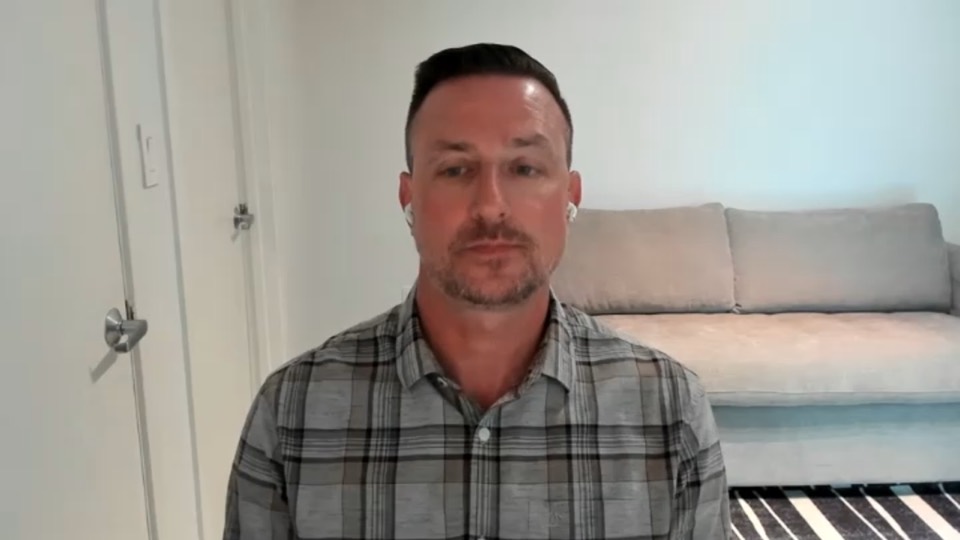
Kevin Nemeth, EVP & Chief Commercial Officer at Church's Texas Chicken, is the guest on episode 76 of the Restaurant Tech Trends podcast, hosted by Justin Foster.
 Play episode
What Kevin and Justin discuss
- Why Church's splits 50/50 first party vs third party when most of the industry sits at 90/10
- The T-Mobile Tuesday blowup that still shapes how he plans every promotion five years later
- How Church's tested AI internally and where it's adding the most value for the brand today
- Where he's building instead of buying and how he sees that trend evolving over the coming years
- His litmus test for whether tech enables hospitality or just hands your work to the guest, and why the kiosk on the counter fails it
Also in this episode
- The rapid fire round, where Kevin names the most UNDERRATED tech in restaurants and finishes with "five years from now, the drive-thru is ___"
Episode notes from the host
Time for another Restaurant Tech Trends! Today I sit down with Kevin Nemeth, EVP and Chief Commercial Officer at Church's Texas Chicken, the San Antonio original turning 75 next year and now running more than 1,400 restaurants across 25 countries. Kevin came into the restaurant space from L'Oreal, TD Bank, and HSN, walked into Popeyes Louisiana Kitchen in early 2020 with a digital team of three, and left with digital at nearly 20% of sales and five million rewards members.
Shout outs to Qu and Olo for the tech stack love along the way.
Transcript
Full transcript (9,463 words)
Machine-generated transcript; names may be misspelled.
0:00 Hey everyone, welcome to Restaurant Tech Trends where we explore restaurant technology trends with some of the industry's biggest movers and shakers in a rapid fire short interview format. This podcast is brought to you by Incept AI. Incept AI takes restaurant orders over the phone and in noisy drive-thrus with friendliness and precision. Learn more at Incept.ai. My guest today is Kevin Nemeth, Executive Vice President and Chief Commercial Officer at Church's Texas Chicken. Where he owns brand, digital, loyalty, menu, and pricing across more than 770 US locations. Just a smidge of responsibility there. Kevin came up outside of restaurants. Previously, he was at L'Oreal, TD Bank, and HSN before he ran digital and marketing at authentic restaurant brands before he moved to Popeyes where he grew digital from about 4% of sales to nearly 20%, which is crazy. And launched Popeyes Rewards, which is crazy. He's hit nearly 5 million members in only six months. Kevin, welcome to the show. Justin, thank you very much for having me. Appreciate it. Happy to be on. Excited to have you on here. Lots of cool things going on at churches. Lots of momentum, positive energy. Excited to hear about all the things that you're doing there. But before we get to that, let's talk just a little bit about your background. I'm always interested to hear about how people come into restaurants. And you're one of these people that did not start in restaurants.
1:30 I mentioned TD Bank, L'Oreal, HSN. What is it that pulled you into this crazy world of restaurants? It is crazy. And I think that's what I love about it. So TD Bank was up until about 2019, almost 2020. And then had an opportunity to connect with some phenomenal people over at Restaurant Brands International. So Burger King, Popeyes, Tim Hortons, and Firehouse Subs. And the opportunity was fantastic. The brand on the Popeyes side, riding the very short high of the chicken sandwich in the chicken sandwich wars. There was a ton of white space and a great growing brand. And headquartered in Miami. Not a bad thing when you're coming from New York City and you're dealing with those winters. So popped into the restaurant industry there and immediately fell in love and felt like that was the place I wanted to be. And that's where I should have been. So it's been now seven years, just about, of sort of the chaos of the restaurant industry. That's awesome. Were you there during the huge Popeyes chicken sandwich blow up? Or was that after you were there? So the initial launch of the sandwich was before I got there, but the hysteria is when I was there. And it was lightning in a bottle. I mean, that's, you know, those are the once in a lifetime things when you think about product innovation or even product quality, where it shifts a category and shifts the entirety of a brand.
2:59 I mean, the profitability for franchisees, the sort of acceleration of how we view technology and marketing and digital and really put Popeyes in a different place than where it was six months beforehand. So it was chaos in the best kind of way. Totally. I mean, I think there are a lot of just mainstream people that had never even heard of Popeyes before, or maybe they'd driven by one occasionally that really put that brand on the map. But anyway, we can maybe talk a little bit more about a bit later on. I do want to understand if there's anything that you learned before you came into this space, like that you learned in retail or financial services that you brought into restaurants. And then second part of that is restaurants just have this industry as a whole has a reputation for being really slow to adopt technology. Why do you think that is? And how are you working to change that? Yeah, I think in the first part of your question about sort of retail, financial services, CPG, and how that's more of an accelerator than restaurants and what the difference is, is I think, you know, first of all, a lot of those places come with an e-com background, right? So there's inherently an automatic sort of push towards digital and technology, right?
4:16 When you think about all the impacts along what e-com brings in terms of merchandising and assortment, CRM platforms, CMS platforms, data collection, right? Like if you think about how you're engaging with guests, how you're looking at an abandoned cart email is very different on retail than it would have been in sort of a restaurant industry. And so, you know, I think they're much earlier adopters. E-com is sort of that linchpin, right? It is a true sales platform versus restaurant is e-com, right? But that really came for a lot of restaurants, COVID, right? That's sort of when it hit. And so, you know, a second piece of that thing is like banking is highly regulated, right? It is intense on the legal side. You know, obviously so much PII is insecurity is a concern. So it's also very data driven, right? And so the amount of information you're working with to target guests or to think about, you know, where in the life cycle a guest is, because you think about it, you eat every day, multiple times a day. And so those decisions are happening rapidly at different times a day. When's the last time you changed your checking account? A decade, 20, 30? It depends on the guest.
5:32 And so that is a very long tail. And then so it's secondary products. Is it credit cards? Is it home equity lines of credit? Is it mortgages? All are, again, long lead times that lead in, but a lot of that is data oriented and focused. And so there's a lot of time focused on nurturing the guests, being present in their life, presenting solutions to either problems or opportunities in their life versus sometimes pushing agendas, right? Like product agendas, innovation, food. And so I think a lot of that was very much a delta, but also why those industries tend to lead more. I do think that you have seen that adoption change since COVID in the restaurant industry. Do I still think we lag? Yes. And I think there's a number of different things that come into that. One, the ecosystem is newer, I'd say, in restaurants. So you have so many unproven players. And I think you have a lot of restaurant focused players, which I think is great, right? Versus taking things that work in e-com and retail and finance and porting them into restaurants, right? Different CRM platforms, different CMSs, e-com platforms, et cetera. So I think you've seen restaurant as a laggard, but I think that's starting to change a bit more. I mean, you have things like franchisees. There's a lot more chefs in the kitchen sometimes than you typically get in a retail where that's not a concern, right?
6:53 It's all sort of company or brand owned and you have a little more autonomy to do things, which is not a bad thing, right? I think the two most important things in the restaurant industry are operations and guest experience. And those are controlled in those four walls of a restaurant where the franchisee and their employees are every day. Yeah. I think your comment specifically on retail, I agree with that 100% about e-com really being the linchpin. And retail has always just been such a data-driven business. Not that restaurants are not a data-driven business, but I do think are definitely a little bit later to the party. You know, a lot of restaurants for a long time have been run with spreadsheet, pen and paper. It's just, especially in the franchisee. A lot of them still are. And, you know, a lot of that does come from the franchisee dynamic that you're talking about where everyone is very bottom line focused. And every single new technology that you have to pick up, you know, can potentially take away from that bottom line. Yes. Yes.
7:51 I also agree with your comment about COVID really kind of forcing restaurants to grow up really quickly. And I think that that actually is a pretty good transition to talking about a bit of your time at Popeye's. Because you, 5X Digital, you know, the rewards program grew like crazy. I think it was like 4% when you started. And I wanted to kind of unpack what Popeye's did and what you and your teams were doing to grow that specifically. Versus just, hey, it's COVID. Like, everything is growing fast and digital. Absolutely. And I would be crazy to say it was just what we did. Right? Much like the chicken sandwich, we also caught unfortunate lightning in a bottle at that time when there was such fast acceleration. But I think it was a little bit of A and B. And I think what was unique about Popeye's is a multi-billion dollar brand, a national organization with over 2,000 restaurants. But really the focus had primarily been on operations, on the brand side of the house, and a lot less on the digital side. And so when I started at Popeye's in very early 2020, I think we had, there was three people on the team. Right? And so when you think about an organization of that size.
9:06 It is. And so, you know, delivery wasn't a big deal. Loyalty didn't exist. You know, the push for what we were doing in a function and channel of, that was becoming so important in the industry. It just, it wasn't the primary. And part of the reason I'm bringing me in was that acceleration. Right? Which is very similar to TD Bank. There was a couple people on the team, but not necessarily focused in all the right places or all of the places. And so a lot of the work was attention driven. Like, hey, we should be doing more segmentation and better targeting. We should be leveraging the data that we have from our POS systems and that we have internally. We should be thinking about what loyalty could do to drive frequency. We should be doing delivery. Right? We should be doing online ordering and takeout in a bigger way. And that ultimately started leading into personalization and drive-through. Right? Like digital menu boards, identifying loyalty guests, you know, kiosks and what we could do with driving incremental sales there. And so it was a clear ramp up that was going to happen at some point. But we accelerated it by putting a focus on it. And kudos to Felipe Atayde and Bruno Cardinale and Josh Cobbs and the people at RBI who were, you know, who were adamant about this and championing it that we needed to move in this direction.
10:22 And so that's what we did. And so the team grew out significantly as we focused on, you know, customer-facing technology, as we focused on off-premise, as we focused on really using data to target and personalize. And then loyalty became a piece of that as well, so forth. And so on media and how we looked at really driving performance-based media versus top funnel media. And so building a team out around that was fun, worked with some of the most intelligent and fun people I've ever had the chance to. So it was a hell of a ride. Yeah. I want to double-click on one little thing that you said. I can really appreciate the intentionality behind these initiatives. Loyalty, third-party delivery, obviously huge during COVID. You mentioned point-of-sale, leveraging the data from point-of-sale more effectively. Obviously, RBI has been on a bit of a journey when it comes to point-of-sale. And Churches has likewise been on its own journey, has recently made some upgrades to its POS infrastructure. Yeah. You know, hopefully this doesn't come off as too weedsy, but you talk about like building all these programs out. You don't have a really strong core with POS. Yeah. How did that impact your ability to execute on those programs when you were at RBI?
11:38 And then kind of how do you see that being different today at Churches? Yeah. Look, I think when I came in, we had just executed our system-wide upgrade. So we moved into a split system of NCR and Psycom. Yeah. Xenial, Psycom, and I believe they have another name at this point. Yes, sir. But so thankfully, I wasn't part of that. But I felt some of the aftermath of the pain. And I know POS, which is our brutal on the industry, they're really tough on our operators. Right.
12:12 And I think, you know, not having that, not having a foundation and historical foundation is troublesome at some point. Right. You need to build back up. You need the folks in the restaurant to be familiar, to have comfort with what they're doing, whether that's new POS keys, whether that's menu management, organization, with, you know, how do you engage in loyalty? Right. When you think about adding these things to POS systems, it's not daunting just on the restaurant headquarter side, but it's extremely daunting on that restaurant side where they have to actually engage in that daily. It's not just us in a lab testing a few things. Right. Then you think about integrations, how is data flowing back and forth? And I think that was the journey that we were on at RBI. And it was not easy. You know, I go back to what I said earlier around guest experience and operational excellence being the most important things in a restaurant. Right. What I do is secondary because I could funnel everybody I can into that restaurant. And if those two things aren't working, they're not coming back again. And we have churn. Yeah. And so if a manager is spending time troubleshooting POS outages or why things aren't working or coming through on a menu or why promo is not showing up, that takes them away from spending time with the guest. And that becomes problematic. And so that's what happens when you introduce new POS or you don't have faith in your POS or, you know, some of those things.
13:33 I think what's different about where we are at churches is why we've had upgrades. We've been with our POS partner Q for a very long time. We were one of their first enterprise partners. It's been a great relationship that we continue to build on. Obviously, as newer technology builds out, their integrations become stronger. How API keys are stronger. The data flow, which is the most important part, I think is one of the most important parts, is incredibly important. And how it impacts me is I was lucky enough to come into this organization with a brand new clean data lake, 25 roughly clean data sources populating that. And that makes my job a million times easier, right? Like now I've got all the access I need to guest data, to P-Mix, to things that I can make decisions based off of to go and help guests every day. All right. Let's talk a little bit more about lessons learned from RBI and what you ported over here to churches. Maybe can you share an example of a win that you had there that you're trying to replicate or build upon now? And then what is a lesson that you learned, something that didn't work out that you know you're not going to make that same mistake again now?
14:45 It's fun. It's the second question I'm going to answer first because it is the first thing that pops into mind every time I have this conversation. I mean, during job interviews, it comes up and it's the first thing. So it wasn't always – it wasn't all bad. Like I'm a big fan of failing fast. Fail fast, learn, don't make the same mistake, and don't cripple the business in that failure, right? It's pretty simple.
15:05 And so back in 21 probably, we did a partnership with T-Mobile for T-Mobile Tuesdays. We may have been one of the first chicken players at that time on the platform. And so what we did, the chicken sandwich was obviously part of – still a big part of the restaurant culture and the hysteria. And so we did a T-Mobile Tuesday. I think it was a free chicken sandwich with a very low threshold and barrier. There may be a dollar spent.
15:33 I think my phone started blowing up at about 10.30 a.m. Eastern. We opened about 10 a.m. Eastern with franchisees, our committees and board chairs reaching out saying, what have you done? Our stores are overrun. So at 10.30. And so when we think about operations or you think about demand planning, forecasting, working with supply chain, communicating effectively with our franchisee system, and really just forecasting volumes, I think we probably missed checking most if not all of those boxes. And we didn't know the hysteria it would bring. The app broke. We became the number one app in the app store for about a week. I mean, the downloads were through the roof. It was good on the visual surface level of things. But the back of the house and what was happening behind the scenes was pure chaos, right? And so we were overwhelming restaurants. We were not driving high check. Profitability was probably okay at the end of the day, if I remember correctly, because we were driving so many guests. But we overwhelmed the restaurants and just didn't give them enough of a heads up, or we didn't forecast well enough for them to do that. And so there are rigors around how we look at data and how we look at experiences and ensuring that we can effectively look at seasonality, you know, aberrations in calendars and how things shift in periods that we could have done better that we didn't.
17:02 And so that is something I take with me to everything we do, any promotion we plan, any calendar. So my team, we own culinary and we own innovation in the calendar, right? And those go hand in hand. And we look at the blocks that we're planning per year. We're looking back multiple years to make sure that we are forecasting appropriately to avoid that exact hiccup. Are you doing more, when you run big promotions, do you do a lot of specific market tests first, or do you still roll things out just system-wide? No, no, no. We try to, depending on what it is, but anything on the culinary side, 100%. And if we are running something that can have big system-wide impact, we'll pick a few markets to test in, to test hypotheses, but also make sure that we can use that sort of as an insight into how we plan what's going to happen in terms of a forecast and alerting the system. And just any watchouts like, hey, if we drive this big promotion, you know, how we look at demand, how we look at how much chicken needs to be made so we're not running late and making people wait 15 minutes while we make chicken because we do fresh hand-battered chicken, right? And so that stuff is critical. You know, I think we'll talk about this in a little bit, but I do feel like of all the areas where restaurants are adopting AI, and we're going to talk a lot about AI because that's, I mean, it is transforming everything right now.
18:22 But I do feel like demand forecasting is one of the areas where there are still challenges. Restaurants still experience a lot of challenges. Even large chains experience challenges rolling out these LTOs and these promos and whatnot and miscalculating. And I mean, our customers, I talk to them about it every, not every week, but at least, you know, once a month. Yeah. Where do you think AI is right now in terms of helping to streamline demand planning, demand forecasting? Yeah. How much further does it have to go before we're all the way there? Yeah. I think, so we have made leaps and bounds. And this is why I think it's really, first of all, the restaurant industry and why I love it is because it is blood, sweat, and tears. It is someone's lifeblood that is going into those restaurants, right? And so you think about how much passion goes into this industry. And again, we were laggards for a while, but that has accelerated so much for exactly what we're talking about. Like we have adopted AI internally in a massive way. And shout out to our CTO, Jeff Kaplan, you know, who is a huge proponent of that. And like, we're all bought in an LT. We're using AI for data. We've got, you know, data, an AI instance on top of our data lake that we leverage for, you know, analysis. So we can focus on big, big, bolder business problems.
19:40 But we've also started to integrate it into the restaurants at this point. And so we have something called the perfect restaurant. Jeff owns this project. And it's really about how do we get better? How do we take sort of these forecasting that's happening in restaurants, to your point, pen and paper, Excel spreadsheets. It's like, well, yesterday I did this much chicken. How am I going to do tomorrow? There's not a lot of historical data that goes into that. And so this is sort of helping that, right? So tomorrow, I know that on this Tuesday and these, the past 24 Tuesdays has been pretty, pretty baseline. I need to do X and chicken. I need to prep them by, you know, Y and Z hours. And we're getting great there. So I think, you know, store and day part sales forecasting, proven, right? Labor forecasting and scheduling, proven. Chicken production forecasting, proven.
20:23 Inventory and order recommendations, getting a lot better. We're not fully there yet, but we're really close. Waste reduction have done phenomenal. And these are all things that go into what we call our perfect restaurant.
20:33 Promotion forecasting and LTO, that's getting better and better. And a lot of that is on us internally. I think, you know, deterministic pricing, you know, not something I put a lot of weight in. You know, I think where we were really overhyped in sort of AI is predicting what guests will buy every time they come in, because it's hard to predict how a person's day is or the other factors happening in their life. If they're coming in as an individual diner, if they're bringing their family, you know, if it's Lent season, you know, if, you know, there's been things like that to come in. So I think we are moving in a much better way and much faster than I think we have in historical adoption of technology. So we're getting there and we're getting there pretty rapidly. All right. Quick detour sidebar. I am very curious about internal AI governance policies. And I can appreciate you saying, hey, we're all in. We've got this AI layer sitting on top of our data lake. We're all using it. Practically, like, what does that mean? Are you guys using Copilot? Are you using Claude? Like, are you using something custom? And is it just like everyone gets a license or have at it? Or how are you setting those limits? Because we kind of have gone through this phase the last few months where it's like, yeah, we're just going to do it.
21:49 We're going to do it. And then like the CFO comes in and they're like, whoa, hey, what's up with us spending, you know, $250,000 a month on tokens? Like, what's this thing? You know what's fun? It's the CFO piece is good. And we were very well aware of that going into this. What is sometimes, if there's not enough rigor, I think the bigger part becomes the chief legal side. And it's like, whoa, whoa, whoa. What does our AI instance have access to? And who gets to see that as part of this? And I think so. We've been working at this intently with our partners at High Bluff and Future Standard, who are private equity owners, in doing this in a really, you know, strong and thorough way about how we give access, about how we understand what our AI instance has access to. And so we use Claude on top of the data lake. Now, it's not even fully rolled out. It's in a beta, I will say, where we're playing around with the data. We're understanding it. And, you know, we initially did a quick pilot with a few members of the ELT. And quickly we're like, oh, there's access to passwords that are stored in certain places or expense reports and things that not everybody should have access to. So we went back and put in bigger security controls. Our chief legal officer drafted up some terms for internal usage.
23:06 That's like, hey, here's how you use AI. Here's when you use AI. So there's governance around that. Now, to your point, it's like when the CFO sees it and like, why are we spending this much money? And why is John Doe planning their next vacation on the company Claude instance? We've put parameters in place around that. And so right now the focus is using it very much for data and analytics to solve those common questions. Why were sales up so much yesterday? It's like, well, instead of my team, because data and analytics falls under my team, well, we don't need to go and do, you know, eight hours of analysis looking at why that is. That now gets answered within five minutes and you can dig in through that. And that allows us to go focus on bigger business challenges. How can we now look at what's happening four months down the road to ensure there's not going to be hiccups or headwinds that we have to watch out for and change calendars or things of that nature. And so that's where I think we're very bought in on where the value of it is. And then we'll start, you know, that'll start rolling out team by team throughout the organization once we feel comfortable with how it's being used. It's a slow roll. And I think you see news, right? Like we've got to be just very careful about how we're training models, what the models have access to, how we're using them on our side and making sure we're fact checking everything. Like we can't just let it run. You know, there's got to be a human layer to it. And so a lot of people are concerned about job loss and things like that.
24:21 You need that human element. It's not, you just don't let it run by itself. And so we're very, we're big advocates of that. Yeah, for sure. And I agree with you where I'm seeing in a lot of the conversations that I'm having here on the podcast and these dinners that we do is really that AI is really shortening the amount of time that's required to perform complex data analysis, financial analysis, and really help focus more on just like you said, four months down the road. AI though, you know, in the same vein, you know, it's making us more productive. It is in some cases lessening our dependence on like data analysts and positions like that. Right. I think you definitely see that in the financial function. But also AI is just making it easier in general to create software. And so this is something that I'm very interested in. We talked about earlier on how the ecosystem in this space is a little bit younger than like what it is in e-com or retail and financial services. Now it's so much easier to create software that I think for many functions, at least, this is going to change fundamentally the build versus buy equation. Yes. Where do, how do you guys see that in where in your tech stack or marketing loyalty digital stack?
25:42 We'll just come back into that. Are you more focused on building on your own versus going out and partnering with best of breed? And I'm going to tack on a second part to that question, which is where do you fall on that best of breed versus like platform consolidation? Because that's another sort of thing that's going on in the industry right now. Yeah. And how I look at this is, I mean, if you think about AI has been around for a while, but sort of where it is today has really accelerated in the past call three years. Right. I mean, yeah, I cannot remember a time when I've been doing this for over 20 years. The first hysteria was personalization, which is a little bit ambiguous of what everybody meant about it. Even attribution, like true attribution, which is we're still not there. AI, I have not seen hysteria over anything like I've seen over this and with good reason. And when we look at how we're buying versus building, it's a little bit of a hem and haw. Right. So the data analytics side, we are fully in on building, right. Versus, you know, looking at, but that data has to come, those sources come from software and hardware that we have, right. Throughout the restaurants in our, in our space, our loyalty ecosystem, et cetera.
26:51 There are opportunities to lessen reliance on some partners and we are doing that. So, you know, you know, if I look at something like a dam, an asset management tool, where it would typically take 12, you know, call it six to 12 months to build something. And then a couple hundred thousand dollars on top of that. I can get that done. We're, we're building that. We're looking to potentially build that internally. And that could be done at a, a fraction would be an understatement of the cost and also time. Right. I mean, talk about a month. Like, so you're saving the bandwidth of your team. Again, similar to data analytics, where the complex analysis is being done somewhere else, but your complex analysis, analysis still needs to be done just in a different direction or a different focus, right. Forward thinking, solving why, why, why is this one DMA bleeding out or why are they doing so well or whatever it's going to be? It's like that focus changes. So now that, you know, if we, if we end up building this dam internally, now I've just saved a lot of money that can go into working dollars. So that means money to drive people into my restaurants. And that means whoever was going to manage that project, that to be hands on keyboard and doing all those touch points and, you know, accumulating assets. It's now they have time freed up to go build out strategic priorities and programs to help continue to drive profitability. Right. Which is the most important thing in a franchise system is making sure that our, our franchisees are making money and putting it in their pockets.
28:10 So that, that's sort of where it's at now the buy versus bill. And by the way, on that element too, there's only so much that I think we're willing to build internally. Yeah. Could we build an app? Could we build this layer of CRM to automate? Yes, we could. But, but that also requires, I think resources and what I'd say are very AI focused resources to help guide that because you can build it, but there's also a maintenance period that I think a lot of people don't think about. It's like, it's not set it, forget it. It's building and advancing it. And that is something people don't think about. So you need resources dedicated to that. Yeah. I completely agree with you on the sustainability side of it from a maintenance perspective. And then part of that just comes down to, you know, focusing on one area and realizing how many edge cases there are. Like, I feel like what AI has done is made it a lot easier to solve some very core problems. Yes. But so it solves like 80%, but it's like the last 20%, like that's the really, really hard piece. And that's where I think, you know, from a vendor perspective in this ecosystem, I think vendors still have the advantage because they're focused on that. Yes. All the time. Like that's their full-time job. All right. So we, we talked a little bit about franchisees a couple of times in this conversation.
29:25 And I'd like to, because I understand the church's system, very franchise heavy, very value driven, value prop. How does that change your digital playbook when franchisee buy-in is so important? Is it always leading with profitability or?
29:47 No, not always. No, no. And I, look, we're, we're lucky, you know, at churches, we have a fantastic franchise system. Um, you know, our board members on the franchise side are wonderful partners. They understand where things are going and this brand, you know, it's been in the news since 2022. The, the profitability has grown exponentially in what we're doing. AUVs in the system have risen a couple hundred thousand dollars, which is more dollars in the franchise's pockets. Right. And that's, that's a win for everybody. I mean, at the end of the day, that's what we should be doing regardless. Right. It's all about profitability. Um, and what you're driving that bottom line. So that, that's most important. So they've been very happy. And, you know, I think for, you know, churches is not different than when I got to Popeye's is we have 165 roughly corporate restaurants and about, you know, 600, 550, 500, um, franchise locations. And so we are heavy indexed that way, but there is a period of which you have to build, right? You're that transformation has to happen. And so they have been phenomenal partners in understanding that there's sort of this build period. Right. And we're actually coming to, I think a really good place in that build period where it now becomes a maintain period. So the costs are going to come back down, which makes more money for that. It puts more money in their pockets or more dollars that allow us to go ahead and, uh, use in sort of driving folks to restaurants to order a line, et cetera.
31:05 So they've been amazing in that. So when we do sit in meetings, it's, it's not just profitability, of course, like that's, that's the big one we want to get to. That's sort of the, the one slide that says, and this equals X in, uh, in, in profitability on the flow through. Um, it's all about the story. It's, it's how you're getting there. It's what it's doing for the system. Right. So as we think about technology, like CDPs or CRM or even stuff we're doing in AI, you know, the question is always why, and, and what's it going to do for the business? And so we, we always address that up front in a very clear and communicative and direct way. And then the profitability piece always is like the nice bow on it, but we've, we've been really lucky. They've been great partners. Got it. Um, and just for clarity, when you talk about the build period, are you referring specifically to technology or you including like remodeling, investing in new kitchen equipment and stuff like that too? No, this is strictly on the technology piece, right? So the loyalty program is about two years old at churches. Um, you know, as we think about building the stack, the app, the, the website integrating, you know, working with partners like Olo and we just launched catering this year. Right. So all of these things are part of the build that, that gets us to the point. Now it's like, we're in a really good place with our stack and what we've built. And now it's sort of more in that maintenance period. Make sure we're staying up on standards.
32:22 Can you share with us, uh, what percentage of the business today is, uh, is catering and what's the goal? Yeah. So we launched catering four months ago system-wide. So it is, it's a nascent part of what it is, but growing rapidly. Right. So it's, it's sub 1% now. Uh, the goal very quickly to be at 1%. I think the goal at the end of next year will be closer to 2%. Um, we have the chick, what we, what we serve travels really well. It works great in a sort of catering environment. It's fried chicken. Um, right. And some of our sides, our desserts. Um, so we, we think we have a really good opportunity in this space. And, you know, again, we're, we're 75 years old next year, um, which is pretty wild to start, but we still have, you know, 800 units in the U S 800 national. So we still have a long way to go. Um, what do you see as the biggest hurdle to growing catering? Is it the change in franchisee behavior around local marketing, community outreach? Like what is the big hurdle there? No, it's funny. It's been six and a half years and we're going to talk about COVID again. Um, people are working remote still. Like when you, you know, still there's not, everybody's not back in office. Um, and there's a lot of competition, right? When you, when you take a step back, this is the one thing where I think the restaurant industry, um, lacks is sort of unique identities, right?
33:41 Like all loyalty programs are relatively the same within one or two or three boxes, whether points driven, reward, automatic reward driven, or tier value driven. Um, you know, there's a lot of similarities in how we go to market on catering. Uh, and so I think it's sort of, it's the craveability of what you do. It's letting people, you know, have it. And, you know, our, our local marketing teams and our franchisees and our local operators, right. Our, our, our, um, our regional GMs, uh, the, the actual ops teams who are out in the field every day, making sure that business parks, hospitals and medical centers, uh, colleges and universities know that we have these offerings. I think that's, that's more and more important, but I think, you know, demand is not where it was pre 2020. Yeah. People aren't in the office five days a week anymore. Uh, and that's still, it's still a challenge. Okay. Um, let's pivot a bit and talk about, uh, first party ordering versus third party marketplaces. Another really hot topic. I feel like pretty much everyone in the industry is trying to pull more of that back into the first party ordering space, but we're just dependent on three PD and third party marketplaces. Where are you guys at on your journey? Do you have specific goals around like the percentage of the business and digital that you're going to be getting first party versus third party?
34:57 Justin, this is probably one of my favorite things to talk about. Um, it is, it is incredibly unique. So I've done this now at across seven different restaurants and had access to data across call it 10. Um, we are a unicorn when it comes to this. So right now we split roughly 50, 50. Oh, wow. Yeah. Wow. And so when you typically look at a restaurant, it is 90, 10, 80, 20, right? Because it's inherent in how human beings are. Like we're, we don't make a decision on dinner. Like I, I'm guilty of this. I'll open up Uber or DoorDash and you start, it's like Instagram, you're doom scrolling, looking for something to pique your interest or a deal or what it's going to be. Uh, I think our guest knows who we are and they know that for, they get loyalty benefits. They get the best possible pricing. They get the best items, the best offers of promotions that happens on the first party. And look, our guest is, is very value centric, meaning they don't have a lot of disposable income, right? Our demo of who we service is, is living paycheck to paycheck. They don't have dispensable income, um, to go ahead and spend, you know, frivolously. And so, uh, 50, 50 is something that you've, you rarely see. And so I think that gives us a unique advantage in a number of ways.
36:13 Of course, you know, we have great partnerships with the third parties that we work with. Um, everybody wants the first party push because that's the data play, right? And data is, you know, an important, uh, important currency. And so, you know, if you, if you're relying on third parties, it's tough to get that as there's sort of these walled gardens. And I think that's where you've seen friction since 21, everybody jumped on platforms. And now, you know, these are startups, right? And so the pro the products they're offering are still in startup mentality, like how they're getting the market, there's thousands of, of, of restaurants and, you know, different, you know, grocery and C stores that are on the, and you're competing with all of them. Yeah. You're competing with C stores. We are right. Restaurants are, and they'd be crazy enough to think they are. Um, so it's just one of those things where you have to stand out more and we're lucky to have that split, which, which is in a very advantageous position. Yeah. So let's click on that. Just one, just one example. So a very value driven consumer, um, the 50, 50, super unusual. But absolutely makes sense when you look at how much more you pay for the third party marketplace, third party delivery services. Um, but on the other hand, you still want to try to drive check. And so can you share maybe just one campaign you guys did one LTO, something that you did that was able to drive check higher in this inflation weary environment?
37:38 The Fed just hiked rates again. Yep. What's a win you guys have there? Yeah. I don't know if, I don't know that I call it campaign based, but I think, you know, what, so we, when we run LTOs, we do run, you know, what we call blocks of LTOs. So we probably have, you know, new news and innovation around seven times a year. And that typically is around either a promotion or new product. And that new product is either what we call center of the plate. So a protein based one or sides, desserts, beverage. And the reality is LTOs are, are check drivers. They don't necessarily drive in new guests all the time. And they're not really going to be what's mixing to take over what your core menu looks like. And so we've had a lot of success with that. So we just got out of a recent block and, you know, we want, we have a something called smokehouse chicken. Right. And smokehouse is a big fan favorite. It comes in, you know, once a year and there's sort of a hype around it. And so, you know, when we, when we see that come into market, we see a lot of checklist on adding smokehouse when we do beverage, right? So we're doing a great market test. I'm not going to talk about right now, but it's driving massive incrementality, all check accretion, right? So desserts, another easy add on. So as long as we keep pushing in new news, this continues to happen. And then we have, you know, we partner with folks like Olo and we're working on stuff in restaurant.
38:58 We have suggestive sell or when a, when a cashier is adding these prompts to, Hey, do you want to try a, uh, an apple, uh, fried, an apple cream cheese fried pie, right? Or a, uh, cobbler or a drink add on. Um, you know, we're seeing a good amount of checklist there. What day part are you seeing the best dessert attaching? Uh, dinners. Dinners. Interesting. Yeah. Okay. Well, we're almost, um, out of time here. I got just a couple more questions for you in our rapid fire segment. I want to talk about one of my favorite topics, which is tech enabling hospitality versus tech getting in the way of hospitality. Can you share an example today of a technology that you see enabling hospitality? And then where's the technology still kind of in the way of providing a better guest experience? Yeah. I think that's the thing is like tech is supposed to remove friction from the employee and the guest, right? So our guests and our people have more time to deliver hospitality and accept that hospitality. So, you know, I think where we've, where we're seeing in, in the industry in general, not necessarily at churches, but I think in the industry in general is, um, you know, there's some, some good stuff going on in drive-thru, right? AI and drive-thru has been, and it's continued to grow, right? And how it started off and we tested this when I was at, when I was at Popeyes, uh, if it simply replaces the order taker and it saves labor, it's automation, right?
40:24 But if it takes sort of that repetitive order taking work out, it remembers your preferences or improves order accuracy. It includes upselling while it enables that guest at the window to look at the guest and say, thank you for coming to churches. Here's your order. That's tech enabling hospitality, right? And, and that I've seen that I think work out, you know, and I think that's a useful litmus test, a litmus test for, for tech in general, right? Does it give our employee more time, information, or the ability to take care of that guest, right? That guest experience I talked about, or does it just transfer work from us to the guest? Like those, that's the bifurcation we need to solve for. I think where tech gets in the way a little bit is where it forces, what I'll say is like digital efficiency, um, on a guest who wants a human interaction. Right. And I've seen this a number of times. So when we put a kiosk on a counter because they're like, I don't want to deal with you. That is actually a negative guest experience. A lot of times what we're saying to a guest is go figure it out yourself. Um, I'm not going to give you that hospitality. And so I think that is a fine line to be careful of because, you know, if it's a guest who just wants to speed through something and expediency, great. But if they want somebody, you know, our guests range from, you know, 15, 18 and all the way up.
41:43 Now the, the older generation wants that human interaction, right? Instead of looking at a touchscreen, not understanding how to do it or signing in, customize, customizing an order like that. That's a negative experience. And I think that's, that's a little bit where tech gets in a way sometimes. Yeah. You know, I think we could probably have an entire podcast on just this subject. And so it's interesting. I like that you mentioned the kiosk on the counter versus like kiosk on the side. I think the challenge you've got there is you've got franchisees. They're still looking to pull labor. You get the little bit higher check on the kiosk and you go into these restaurants and it's like the counter's there, but there ain't no one at the counter, you know, they're bagging, you know, food or making drinks or whatever, but there's no one there to just take your order. It's interesting. You said on the enablement, the drive-through AI side, of course, even what we do, I, so I sort of agree with you, but I don't think AI is all the way there yet. I still don't think it quite can replace a real human interaction. I definitely do buy the argument about like making the restaurant more efficient, like reducing the cognitive load, like speeding the line, like enabling better hospitality that way. I'm all in on that. I still think where, I mean, I don't know, technology is moving so fast right now, but I still think we're six months, maybe a year away from it being like, you just truly can't tell and it's providing that super personalized service.
43:06 I think that's spot on. And I think that point you just made of where you just can't tell is, is the rub. Like a lot of people can tell, right? There's some, some blip in the matrix, if you will, right? There's a, an accident that can't get picked up or I don't speak English, I speak Spanish and it's not fully there in Spanish. And so I don't think we're there, but if you think about where we were three years ago to now, I mean, it's been, I mean, even a year or two ago, I think to your point, six months to a year away, I think, I think that's probably right. All right. Well, we're almost out of time. One last question and then a couple rapid fires. So just really quickly, if you look three years out in general, where is restaurant tech going that you think most brands are not ready for? Yeah, I think it's, I think it's meaningfully, meaningfully different sort of than, you know, where our roadmaps are pointed today. You know, we're still looking at AI, AI is obviously going to continue to be this big through line. It's like, I think it's, how can AI improve what we already do today? I think that's the mentality, forecasting, voice, personalization, labor scheduling, automating, marketing, et cetera. Like those are wildly important, but I think, you know, they're largely incremental. And the bigger shift that we'll see is moving tech from a system of record to a system of intelligence, to systems that actually make and execute decisions.
44:21 Right. And so we see this in certain ways already, like actions being taken in restaurant operations, AI ordering on behalf of consumers. Like, I think that's, that's a little bit of where we are. And I think there's a couple of things that we look at today. Like if we think about mobile ordering today, right. Or online ordering that becomes agentic ordering. Right. Where AI could order for the guests. Like, you know, like my Claude instance on my personal knows who I am, knows what I like, like obviously through all my prompts and all that. So I think there's opportunities there. When we think about loyalty, right. Like how we can really look at individual guest economics. Right. So I know we're getting better about offers and personalization and things like that. But I think this is a very different world three years from now. Right. Like digital menu boards, like how we merchandise those. When you pull up to a digital menu board, it's going to look the same than when I do. But in three years, I don't think that's the case. You know, whether it's optics, it's, it's license plate, it's some self-identification. That's going to look way different. I mean, you know, we talked about forecasting, you know, some demand-based planning and things like that. Even menu innovation, right. Like how we looked at, you know, faster and lower risk menu innovation. Yeah. I just think there's so much opportunity from where we are today to where we still have some, we wanted to solve a problem we have.
45:42 We're not thinking about it solving a problem we don't have. And I think three years from now that becomes a completely different shift than where we are. But who knows? We can be, I'll be taking over robots in three years. And then what happens? That's what I was going to say, man. That was the one thing I didn't hear you say. Because that was pretty hot a couple of years ago. I think the industry, there's still opportunity for that. Right. I think it goes back to the AI pieces. How much comfort do we as human beings have on reliance on robots versus a human? And there's errors that are gonna be made on both sides. I think, especially in a franchise system, it's just like, who's willing to take that leap and how comfortable are you? That cuts labor. There's obviously upfront cost and maintenance costs. So it's just going to be one of those things we'll continue to talk about. All right. Last quick one before I go to rapid fires. Are there any vendors that you work with that you want to shout out on the pod?
46:30 I love all my vendors, but I don't know if this is the place to do that. So no, all my partners know that we love them dearly. And I'd rather shout out the team internally. I think my team does an amazing job. We have a really great organization. We are a lean team. But across, I can tell you, I don't know that I've been in an organization where the executive leadership team and this, you know, kudos to Roland, our CEO, has everybody moving to the same beat of the drum, right? We all have very clear goals. We are all moving to those and we get along incredibly well. We're willing to have tough conversations, but we walk out unified. And then that gets sort of, I think, funneled down to our teams and legal and HR and operations and tech and supply chain and finance and marketing. So I think it all hums really nicely together. So shout out to the team. All right. Starts at the top. All right, Kevin, it is time for our rapid fire segment. And for everybody watching or listening, I'm about to ask Kevin a series of questions. He has no clue what these questions are. He has not seen them in advance. The rules of engagement are this, Kevin. Try to answer each one of these questions with one word if you can, one sentence if you can't. Are you ready? I'm going to be trying. Ready? Let's go. All right. Drive through or delivery? Drive through. App or kiosk?
47:44 App.
47:48 Original or spicy? Spicy. What's one loyalty metric you watch every week?
47:57 Sales from loyalty guests.
48:00 What is the most overhyped tech in restaurants right now? Oh, this is a tough one. Overhyped tech. I don't know. Oh, this will put me in an awkward position with my CTO.
48:17 All right. I'll take the diplomatic answer on that one. What's the most underrated?
48:22 AI. Okay. What's the first screen that you open up on a Monday morning? Oh, email.
48:30 Yeah. Good old email, man. Work email. Not even personal. Work email. For sure.
48:37 Build loyalty in-house or buy it off the shelf? I'm going to maybe break the rule here.
48:46 Today, buy. Very soon, build.
48:51 Okay. Last one. Finish this sentence. Five years from now, the drive-through is blank. Fully automated, hyper-personalized, and one of the most important channels that we'll see. It's huge in restaurants today. It's going to be a monster part going forward. Interesting. Okay. Well, Kevin, I want to thank you very much for your time here today. Everyone, Kevin Nemeth, Executive Vice President and Chief Commercial Officer at Church's Texas Chicken. Thanks, Kevin. Thanks, Justin. Have a great day. Appreciate it.