Episode 68 · July 16, 2026
Erin Levzow
Consulting CMO · CapitalSpring
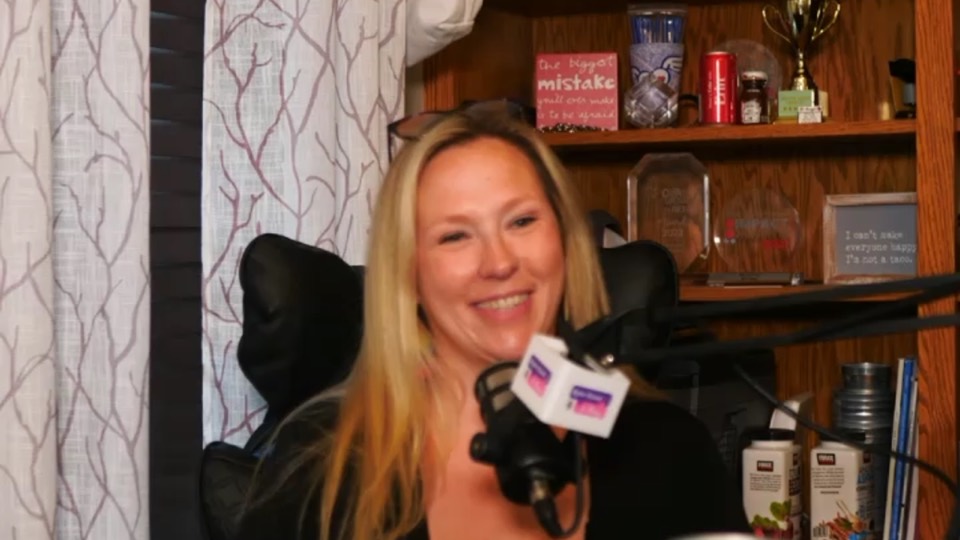
Erin Levzow, Consulting CMO at CapitalSpring & Co-Host, Bite-Sized & Bossy, is the guest on episode 68 of the Restaurant Tech Trends podcast, hosted by Justin Foster.
 Play episode
What Erin and Justin discuss
- What restaurants can steal from gaming and hospitality, industries that were doing real personalization years before we were
- How she re-platformed an entire MarTech stack and launched Del Taco's first loyalty program in nine months
- Why most loyalty programs fail the moment the conversation shifts from the customer to the cost
- Where AI creates the most value today, and where the "creepy" line really sits on personalization
- Best of breed vs all in one, and why one platform to do everything means you're building it yourself
Also in this episode
- The rapid fire round, where Erin names the single MarTech tool she cannot live without (it is not the one you would guess).
Episode notes from the host
She showed up in Vegas with $800, slept on a mattress off the back of a truck, and turned a theater degree into one of the sharpest marketing tech voices in restaurants. Today on Restaurant Tech Trends I sit down with Erin Levzow, consulting CMO across the CapitalSpring portfolio, co-host of the Bite-Sized & Bossy Podcast, and the rare leader who can make the marketing side and the IT side actually speak the same language. Named CMO of the Year and a global MarTech Leader of the Year, she has built stacks and loyalty programs for Wingstop Restaurants Inc., Del Taco, Freebirds World Burrito, and more.
Erin and I have been trying to make this one happen since RFDC last November, and it was worth the wait. Give it a watch and let me know what you think
Shout outs to Chowly, Hang, and Bikky for the analytics and reporting love along the way.
Transcript
Full transcript (6,221 words)
Machine-generated transcript; names may be misspelled.
0:00 Hey, everyone. Welcome to Restaurant Tech Trends, where we explore restaurant technology trends with some of the industry's biggest movers and shakers in a rapid fire short interview format. This podcast is brought to you by Incept AI. Incept AI takes restaurant orders over the phone and in noisy drive-throughs with friendliness and precision. Learn more at Incept.ai. My guest today, I'm so excited, Erin. We first talked about doing this podcast back at RF FDC back in November of 2025. So I think we've been chit chatting about this for like, I can't do math. What is that? Seven months or eight months or something like that? Yeah. It's been a while. So I'm always excited to have guests on this show, but I'm truly pumped beyond belief that you are here today. Erin Levzow is also a podcaster. You guys got to give her pod a listen. It's called Bite-Sized and Bossy. She's co-host there with Tammy Billings, another rock star in the industry. When she's not doing the pod, Erin is also consulting as the CMO across the Capital Spring portfolio, where she helps franchise brands build stronger marketing systems and sharper internal teams. Before that, Erin ran marketing and MarTech for some of the biggest names in the business, including Wingstop, Del Taco, Freebirds, and she even had an interesting stint at the Museum of Ice Cream. I want to learn all about that today. Plus, as like just a little added check mark in her CV, she ran a hospitality. You did a hospitality run at MGM and Caesars. That's it. You have been named CMO of the Year and a Global MarTech Leader of the Year. And Erin has a rare gift for making the marketing side and the IT side speak the same language. Erin, welcome to the show.
1:57 Well, thanks for having me. It has been a long time coming. It has been a long time coming, but we are finally here. All right. We made it. Before we jump into everything that you're doing today, let's talk a little bit about your background. You started in theater. That's interesting. You ran a 1600 seat theater and box office at Caesars before you ever touched marketing. So tell us, how did a theater kid from Illinois State end up as one of the leading marketing technology voices in restaurants? Well, I did graduate with a degree in theater and I thought I was going to be a super famous and headed out like I was going to move to LA, but I stopped in Vegas and realized I couldn't afford anything in LA. I only had $800. So what I could afford was a really, really crappy apartment where they had found a dead body in it. So I got two months for the price of one for $600. I bought a mattress off of the back of some guy's truck, not the box springs. I didn't know what those were dragged it into my apartment and basically slept on the floor until I could find a job. And I was lucky to find the box office office job. And I learned a lot. I learned a ton about it. And it wasn't until I got promoted to Richard Frankel's the producers to be that house manager. I had to go through a management course at Caesars. And they said, you're a natural trainer. Why don't you join that team? So I did. And I loved it. Recession hit. Everybody lost their job, especially in training. And the recruiter said, what do you want to do? And I was like, anything. Like I need a job. She said, what do you know about internet marketing? And I was like, I have the Facebook.
3:41 And so I started at the bottom and I've just worked my way. I love that story. And I'm glad you survived the encounter getting the mattress off the back of the truck. You know, I've seen stories start like that that don't end as well as yours. They don't end well. So tell us a little bit about, you know, what you're obviously in restaurants now. What have you brought from that background in gaming into the restaurant industry, if anything? And what perspective did you gain over there that you feel like might be a little secret weapon for you or just gives you a little bit of an edge, things that people might not normally see that have been in restaurants their entire career? Well, I think back then, right, this is years ago, we were already focused solely on data, right? And everything was that marketing technology pull of like focusing just on the data of the average Theo of a guest, the average daily rate, the occupancy. So everything was analytics, right? We want to know, like a host would know, they used to have like the little black books to keep their VIP clients, right? But then we were able to digitize it. And so when you walked up to the front desk, they were able to know everything about you when you came there, whether you wanted to pay cash because that, well, that's not your wife, or if whatever else might be happening. And so we were able to use that data. We as the restaurant industry just got there not long ago, right? And there's questionable if we are already really there yet. So we were doing personalization back then with email and SMS and all these things. We're just getting there in the restaurant space. So a lot of it, we were a little behind.
5:25 Well, what do you think this says about the restaurant industry? Because I totally concur with you. I feel like travel, hospitality, like those industries are the bleeding edge of personalization, martech, data, data warehousing, all of that stuff. And then you've got retail kind of following, fast following that. And then you've got restaurants, definitely like the laggard. Why do you think it is that this industry is so slow at adopting technology?
5:56 I don't think they've had to. And I think for a long time, there was this idea of like, well, of course, hotels have better technology that everybody has to book online, you can see their whole throughput. You can see everything digital. We were spending crazy digital ad spin back in the day in Vegas. Here, we just started having to ramp up the last few years because guess what? We needed to, we've had to. There's been a surge of restaurant builds year after year after year. We have more restaurants than ever. So now we actually do have to be competitive. We have to add these levers in. So you're referring to just the growth of restaurants overall, not COVID specifically or anything like that, because obviously. No, I don't think it was COVID. I think we've always needed to get there. I think we have to get there more than anything now because now your competitors are all getting there too and realizing they need to bring it over. Now, when you came over into Del Taco, I think you, I think you were like the very first marketing technology role. What were the state of things when you got there and what were you able to build at that brand? How were you able to bring that a bit further into the future? Yeah. So I was told when I took the job that they were really looking for this new role to lead kind of the MarTech stack of the future, right? What are they supposed to be doing? Where should they go? And everything was very disparate, right? So like nothing was tied together. You couldn't see one view of the guest. There was no way to do that. And they had no loyalty program. So some baby, some people have babies in nine months. I replatformed an entire MarTech stack in nine months and launched the first ever Delia loyalty rewards with my team.
7:40 It was awesome. And not only did we launch it, we, we didn't just do like a points based or whatever. It was based off of like your Southwest or your American airlines or your casino hospitality. And there were tiers, there were levels, there was personalization built into like engage you and get you to the next level, um, to make sure that you didn't miss out on something to let you know, there were point multipliers when you get to that next level that you can't get at the first level, as well as the points you would earn for each purpose. And then having that cross channel, whether you're on web or app or in store to be able to use that. Um, we were ahead of the times a little bit in that case. Uh, and then we saw more and more restaurants start rolling out similar things. I don't, you definitely know better than I would, but what other brands are you aware of that are doing this like point multiplier thing when you reach like different levels? I'm not aware of any, but I'm sure. So I don't know if there's any other ones that are doing that piece of it. Um, there might be, but I don't think it's a bad idea. I think it's another, it's the same way that your credit card does it. Why wouldn't you Delta does it Southwest does it like, I guess so. Why not? Well, um, of course now we're living in the age of AI and AI is all anyone can talk about, including in the MarTech space and including in restaurants. And there is this issue where you have to have solid data to power intelligent AI workflows, AI programs, AI personalization and offers. Where do you see the industry right now as a whole in terms of having its data in a clean enough state that you can really launch some of these next gen programs? Um, I think it's been, it's really challenging. So I think we're still at the state where everybody's talking about AI and very few are actually using it. Everybody's starting to write and start when I say starting to not even just with the data, just like using Claude to like do something for them, right?
9:44 Asking Claude questions and trusting the answers or training their own bot. Like, I think that's square one of like how you were getting people to actually start to use it. I think there are very few restaurants right now. A lot of them have an actual, um, goal of doing this where they're bringing all their data together and training an LLM to like teach them stuff about their data and be able to pull reports. I think that's the next phase. We're seeing a lot of restaurants have like an entire project dedicated to that because everybody knows that's what should be happening, but not everyone. So if you were to look at, I mean, there are a couple of platforms that I've looked at like hang and Bikky, and I've been pretty impressed with their ability to like query, you know, products that are on the menu and which ones are most likely to drive, um, repeat traffic and whatnot. Um, do you view that as like really like the cutting edge piece right now? Are most brands not really in a good place to adopt tools like that? Or do you think like the path that's going to happen there is going to be more brands kind of building their own type of thing?
10:46 I do think we're going to see, depending on the size of the brand, them want to build their own. And I think it's going to get easier and easier for them to build their own. Uh, especially if they bring in the right skillset. Uh, I have seen a couple brands now go out and say like, I can build this myself, which is really interesting and kind of own all of that. Um, on the flip side, I do think there's a place for these companies that can help you do that. What I don't like is when you end up with 10 companies telling you they can do stuff like that. And then you have to log into 10 different dashboards and you're trying to figure out how that data is different than that data. Yeah. And this is actually something I want to ask you about too, because, um, there is sort of this macro trend going on in the industry around what I'll just call platform consolidation. And I find like where different professionals fall on this, uh, tearing depends a lot with how large the brand is. So on the one side, you're best of breed for everything, right? You've got best of breed for everything, but then you've got a ton of different platforms. Plus you have the cost for all of those platforms and you really get eaten up alive by these like little SAS fees. And on the other side, you have everything consolidated into one spot. You see a lot of the POS vendors kind of moving this direction as they're pulling more functionality into their native platforms. Where do you fall on this continuum when you're advising like the capital spring portfolio brands in terms of like, how much should they be going best of breed?
12:18 How much should they be going all in one? Or does it just depend? And if it depends, how are you advising them on that?
12:27 Uh, I do think it depends. I think it depends on the use case, what you're trying to do, um, and the relationships too. And so there are worlds in which you can get three. I think you can't have 10, you can't even have 12, like it's too much, but like if you have three to four of the right partners, especially in the marketing tech space, you can do a lot of things. Do I think everybody can have one? That's where like, if you want to have one, you need to build it probably yourself. Like if you think you're going to end up with only one platform to do everything, then you're going to have to build it. And I guarantee you're probably still not going to have one. You're going to have like your email, your SMS program. What does that look like? But there are certain pods of these things that can start to consolidate, but now you have to find the companies that are willing to work together for integrations. And that can also be challenging. Do you have any vendors that you want to shout out that you think do a pretty good job of doing that? I mean, I do think like Chavi does a nice job with reporting and analytics for all of that and being able to integrate and pull all of that. I've seen a lot of their reports and I really do like them. So I think they've done a really nice job with how they report and use AI to pull everything out of those reports from sentiment to reviews to actual, right? All the things we care about sales, everything else along those lines. Let's shift a little bit and talk about loyalty and CRM. So that's been at the center of a lot of your work. And we talked a little bit about the loyalty program that you helped put together at Del Taco. Where do you see most brands fail with loyalty? Like where do the programs go wrong? And what do you think the genuinely good ones do that are different? That's a big question. Where do they go wrong? They go wrong because they forget about the customer. I think a lot of times we start to go put a plan in place and all of a sudden gets bogged down into, well, what is the program going to cost? Why are we doing this? Should it be, well, we can't do 10 points for a dollar, but we can do eight or things like that. And at no point in that conversation, did anyone say, but what actually would drive the customer behavior?
14:42 Right. And I think that's the biggest miss is you start with the customer and then we lose it while we're building the program. And then we pick back up at the end and we go, oh, the customer is going to love this. And then we're all sad when we go, I hear companies all the time tell me, well, I don't know that loyalty is really driving anything. And I go, okay. And we've seen companies actually sunset their loyalty programs because they go, oh, it's just spending too much, right? It's cannibalizing our sales. And I'm like, I don't know. I think we need to reevaluate the program. I think you haven't added in the right triggers. The companies that are doing it well are communicating with the guests through their preferences, through what they've said they wanted. And they've used either AI or automation to really communicate to the guests when they want to be communicated to. But not everybody's doing that. You'd be surprised how many loyalty programs get launched. And then over here, the email team's still blasting customers with the same message. And you're going, what was the point of that? Right. Loyalty to me isn't about necessarily, I don't want to say it's not about rewarding the customer, but it's about gathering that data, giving the customer something in exchange for their data to basically track them, right? So that you can use that to go to this side and communicate with them in a way to encourage them. Because we know that it takes, you can tell I get excited about this. It takes multiple reoccurring frequency of talking to someone before they're actually going to get off their butt and do something. I'm laughing over here also, Erin, because I don't know if you know this about me, but my background is actually in marketing personalization technology before being in the restaurant space. And it's like, man, I feel like we've been having this conversation for so long. I mean, this is like, I'm thinking back to like 2008. I feel like we're having this discussion and it's just crazy that it's still going on right now. So now, of course, we're in the age of AI. And since we're talking about personalization and giving people right message, you know, right content, right time, all that stuff. Let's talk a little bit deeper on the personalization side. Now that we have all this fantastic data from our consumers.
16:53 Where do you draw the line when using personalization or AI driven personalization to make something effective versus where does it get creepy?
17:08 I agree with you that this conversation has happened for a long time. And I think if you asked me in 2008, the word personalization, everybody was saying it, nobody knew what it meant. They'd be like, oh, we're personalizing our offers. And you're like, no, you aren't. No, you aren't. I think we've gone from segmentation, like, and that some restaurants aren't even doing that. Segmentation, we're lucky if some of them get to micro segmentation, right? All these people like beef. So send them this message. Personalization is when I'm really communicating to you based on your preferences. Only some restaurants are there. And so I think to that idea of like, when it gets creepy, as long as it's right, and there's still an old study, I think it's probably six years old by now, that said 98% of people like personalization as long as it's correct. They don't like it if it's not correct. Well, I guess that makes sense. Where do you see AI today in marketing creating the most value? What part of the Martech stack does it create the most value for restaurants?
18:18 I definitely think from a reporting and analytics. So it speeds up getting the data, right? For marketers, if I can load all my campaigns, having them funnel into a platform, and I can pull out, out of an LLM and say, how did my campaign do? Can you compare that to last campaign? Can you do this? I don't actually have to do anything. I'm starting to ask basically an over-top architecture to do the work for me. And it does it in seconds versus what I used to have to do is go to someone and to an analyst and go, can you pull all of my campaigns and compare them, cross-reference them? But now AI can do that. And I can say, can you pull out the variability of seasonality? Can you graph this now? Like, I think that really helps marketers a lot. It can even build, it can say, look at all my old past marketing campaigns, how they've done. Can you help guide me on what you believe I should do based on last year and the year? I was going to ask you about that because I'm wondering if you have any experience using data like that to build customer segments that you might not necessarily know even existed before. I mean, that's been a big problem in marketing for a really long time is you can create different segments of customers, but you might not necessarily be creating the correct segments of customers. Do you have any cases, any either brands that you're working with right now, Capital Spring or anything that you've done in your past where you've been able to leverage AI to build segments and then you're able to target those segments and it actually proved itself out? Absolutely. I think the one area that we have to improve on there though, is oftentimes the AI is just looking at web app, that type of data.
20:01 And not until recently, were we able to actually pump it all together, right? With POS data, because a lot of customers are still walking in. And so then you're making these decisions for like creating these segments and someone's like, we have a lot of really loyal guests. And I was like, yeah, in your loyalty program, that makes sense. But let's look at the other 80% that are walking into your restaurant. So we're starting to see it all come together. There's only a few restaurants that I know doing it. What do you think of platforms like Allopay that, you know, promise to help bring together a lot of this offline data with stuff that you're collecting from your apps? Have you seen any restaurants like leverage this platform successfully for loyalty or marketing purposes?
20:45 I mean, not necessarily. No, I don't have like a very great answer for that other than I haven't really seen a ton of people use it in the most positive way or that I'm aware. Totally fair. Right. All right. Well, let's take a little step back. Let's talk about some of the work that you're doing at Capital Spring. So you're fractional CMO at Capital Spring. You work across a lot of different brands. How has that changed your just like daily work? Because, you know, you used to like just you're responsible for one brand, right? Not saying being responsible for marketing at one brand is easy. It's really freaking hard. But now you've got to advise like a lot of different companies. How do you go about doing that? And it seems like just nuts. Um, yeah, consulting as the CMO, there is a lot of mental shifting. So I could go from like brand to brand to brand and each brand has different things going on and they have different needs and they have different marketing needs. And some of them have a marketing team. Some of them only have a marketer somewhere in between. And so working with them on questions, on mindshare, on strategy, even sometimes on like how things can be implemented, letting the marketers learn from each other, I find is like the best way to like when someone's doing something really well, like pulling together everyone and being like, let's mindshare together is my favorite thing. And it's really about education.
22:16 And I get to do that every day, which makes me very, very happy. And it's a, it's a wonderful company and a wonderful portfolio. Yeah. And you also get to be the voice of reason, right? Because you're consulting. So you are the trusted voice in the room, probably help resolve some little disagreements that might happen from time to time. Well, I hope so. Is there any like mistake that you see or any commonality, uh, common mistake that you see across brands that you think is like a universal that you could advise folks on? Oh man. Great question. Um, I mean, it goes back to forgetting about the customer, right? Getting lost in the day to day, never taking a step back and like look standing above and going, how'd this do? Or I often find that marketers themselves will get so busy, right? With like things they feel are important that they forget to take that step back and go, are all the things I'm doing actually doing anything right? Or driving the needle. Um, and that I think is probably the hardest part, or they just layer something new on and then get burnt out. And they go, why am I burnt out? Well, cause you didn't take anything away when you added more to your plate. Um, I have a very specific question on this and may not have an answer for it, but I would, I would love to know if you have any advice for this. Um, so I work with a brand and I'm not going to name who it is, but there are sometimes some communications, communications issues between the marketing team that's rolling new campaigns and new LTOs and, you know, things of that nature and the technology team that is responsible for implementing all of the systems that will allow the marketing team to execute these campaigns. Do you have any words of wisdom to help marketers and technologists work more cohesively with one another so that the disruptions that can happen with these technology systems do not happen when campaigns start to roll?
24:22 Um, a couple of things. One, I think everything comes down to expectation setting and clear communication, everything in our life. And I always say that if I asked my daughter to clean her room and she's like, I will. And I'm like, great. And then I come back at the end of the night. I'm like, your room's not clean. She's like, you didn't tell me by when that's on me. That's my fault. And then I'm like, okay, well, I meant tonight. And then I come back and I'm like, your room's not clean. And she's like, you don't see anything on the floor. And I'm like, yeah, but I bet if I open that closet or look under your bed, there's a crap ton of stuff. And she's like, you just told me to clean the room. Oh, you know what? I think you're being a little, I don't know that that's totally fair. I get what you're saying. But, uh, but I always say, if you, you have to set the expectation, it's the same story of like, when you've asked someone to, um, show me, give me directions on how to make a peanut butter and jelly sandwich. Right. It's something you, every college teaches you. And then they hand it to kids and they say, all right, tell me, tell me what to do. And they're like, well, get a knife. And the person's like this. And they're like, all right, now put, put the knife like on the bread.
25:39 And they're like, well, how, like, how am I supposed to, and they like do it all weird. And it's because we have to have that clear communication and how I communicate and how you communicate are different. Now you have to document a plan and there has to be cross collaboration. So tech and marketing have to come together and talk about these things, whether it's once a week, every two weeks, but it's like reminder, here's the plan that we discussed. Here's the plan we all agreed on. We're still on track. Is everybody prepared? Right. So you, I always think of marketers and I have a lot of marketers that'll come to me and be like, they're not doing anything. I was like, well, how are we holding them accountable to making sure we've shared this information? And they're like, we're not the project managers. I was like, we are by default because we need that campaign to go out for us to continue doing our job. So guess what? We just all signed up to be a project manager too. And I think that's where we missed the boat is marketers think, well, I'm doing my job. No, every department is your job now. I would say also for a lot of these campaigns got to have supply chain with a seat at the table as well. Yep. Absolutely. I mean, everybody deserves and like it, there should be a cross collaboration, but like someone has to manage that cross collaboration. All right. Well, um, you've been a vocal advocate for women in marketing and women in restaurants in general. I think you're in women in restaurant leadership, I believe. Okay. Um, yes, I'd like to hear, you know, just because you are such a vocal advocate, you know, what are some things that you're working on there? What do you have planned coming up? Um, and what are some of the things that you think need to change in this industry to give women a greater seat at the table? Yeah. I mean, the reason we started bite size and bossy is cause we were talking one year and, um, someone said like, you guys should have a podcast. And I was like, I've already gone on a bunch of podcasts and they go, how many hosted by women? And I was like, none. And we started researching and there really weren't any female centered podcasts. And so we started it. We've now seen multiple ones pop up and all of them have given us kudos to how they started too. Um, so that's part of it is telling other women's stories.
27:48 The other thing too, is advocating for women get, making sure that it's not about, it used to be women could only have one seat at the table, right? So it almost created like a animosity between women. And that doesn't have to be the case. Instead it's, let's just either make a bigger table or pull up a seat and getting people. We're still at the age where I see young women sit in the back and I'm like, what are you doing? Let's go. We're up here. So really advocating for the younger generation because that's who I'm paving the way for the older generation. I remember someone asked me, do you have a lot of older female mentors? And I said, I don't. And they said, why do you think that is? And I said, cause what they paved the way for, which was me, they had to live a very different life. So they were used to, uh, having to, you know, quote unquote, live in a man's world, but be like a man. And I showed up at the table, my generation, we went, we're not going to do that. We're going to be me. I'm going to be authentically myself. And you're going to accept that. And I'm a woman. Guess what? Surprise. So being able to pave that way, they did it for us. We'll do it for our kids and our kids, like my kids, they don't even know that it's an issue. They don't even think it's an issue. And I'm going, what, how great are we doing that? Like, they don't even know this exists.
29:08 And then helping get those women in the C-suite position, we're still anemic in that area, especially at the CEO level. So, um, a lot of different things. And of course, with women in restaurant leadership and Satine and everything they're doing, Amy home with lead, like we have so many great groups popping up and being able to band together and lift voices, I think is really powerful right now. And especially in 2026. And I think it's incredible that, you know, kids don't perceive this as being an issue, but it is definitely still a problem. And I'll just tell you, I mean, I'll just say this, Tammy Billings, your cohost, she called me out because I was having guests on this podcast. And I think it was maybe 40 episodes deep in this podcast. And Tammy was like, how many women have you had on your podcast? And I went out, I looked over and the first 40 episodes, there was not a single woman and it wasn't intentional. I was like, not intentionally, like not trying to have women on the podcast, but for whatever reason, like the people that were responding and saying, want to come on the podcast just happened to be men. But it really alerted me. Like there is this, maybe it is bias or it's a blindness or something like that. It's an unconscious bias. So I am very appreciative to Tammy for calling me out on that. And now I'm like trying to be much more proactive and trying to be a much more like even, but it took her saying something or that probably wouldn't have happened. So I'm very grateful to her for doing that. Anyhow.
30:42 That's awesome. Yeah. She, she has no problem doing that. And I do remember sitting at dinner and counting those episodes and being like, no, I don't see one woman. Just. Well, I think of the last 10 episodes, I think four or five of them have been women. So I'm, we're, we're on the right path. Okay.
31:03 But what it did was it created an awareness that wasn't there. And I think that's what, as women, we have to, and men have to continue to do. When we look around the table and we go, whew, everyone looks just like me or doesn't look like me. We, we need to be aware of it. And that's all we're asking is like for everyone, everywhere and male advocates, diversity, all of these things, let's just be aware of them. All right. Well, Erin, we are done with the formal interview portion of this podcast. So it is a time to move on to our rapid fire segment. And for everyone that is watching or listening, the rules of engagement, Erin, on the rapid fire segment are about to ask you a series of questions. You have seen none of these before. Try to answer each question with one word, if you can, and one sentence, if you can't. Are you ready? Okay. All right. I think so. Tacos or ice cream, which was more fun. Oh, okay. Wow. Okay. Didn't even get to the end of it. We're, we're really on the rapid fire now. All right. What one Martech tool you can't live without?
32:15 Email. Oh, interesting. Oh gosh. I want to talk to you more about that later. The word no means what to you. Uh, that we just haven't found the way. Uh, we're going to skip over this one. What is the most overrated buzzword in marketing tech right now? Yeah. Great. AI ballroom dancing or karaoke ballroom dancing. What is the first thing that you check on a dashboard Monday morning? Um, sales. What's a campaign that you've worked on that flopped and what did it teach you the most?
32:59 I flopped. Uh, I don't know. You've never, every campaign you've ever worked on has been a huge success. No, I'm sure they haven't. Uh, when we had, um, done a campaign with, at Wingstop with the wrong, um, the person did not appeal to our audience at all. And we couldn't understand why it wasn't driving traffic. Well, Erin, I really appreciate your joining me here for a few minutes. Sorry, we didn't have even more time, although I would like to have you back on and we could probably talk about email for like a whole hour. Um, but thank you very much. I'm glad we were finally able to get some time to get it to work out. Everybody, Erin Levzow. Podcaster at Bite Size and Bossy and also consulting CMO at Capital Spring. Thank you, Erin. Thank you.