Episode 63 · June 23, 2026
Amanda Kahalehoe
COO · Vicious Biscuit
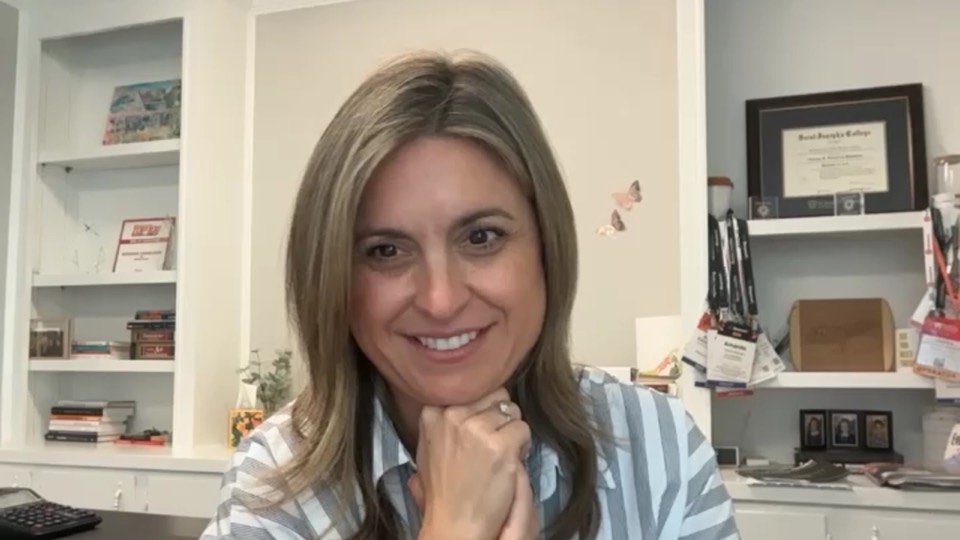
Amanda Kahalehoe, COO at Vicious Biscuit, is the guest on episode 63 of the Restaurant Tech Trends podcast, hosted by Justin Foster.
 Play episode
What Amanda and Justin discuss
- Why getting the boring/infra work done first is the real key to helping emerging brands scale - and which projects she tackled before moving into franchising
- Her counterintuitive move for earning operator trust on technology - the opposite of what most brands do when a tool isn't working
- The one thing Vicious Biscuit owns instead of renting - and why it's making her skeptical of agentic AI tools flooding the space
Also in this episode
- Amanda's reframe that some guest experience friction is GOOD - and some excellent insight into how the brand achived positive comp sales two years running and a 6% traffic lift while the industry trended down
- Rapid fire gold - savory vs sweet biscuits, which coffee gets the day started, the Vicious Biscuits dish she'll defend to the death, and the career she'd have if not for restaurants!
Episode notes from the host
Brilliant biscuits + the boring building behind a brand? Yes, please;)
Today on Restaurant Tech Trends I'm talking with Amanda Kahalehoe, COO of Vicious Biscuit, the Southern comfort breakfast and brunch concept scaling fast across the Southeast on the strength of over-the-top biscuit builds and a hospitality-first culture. Amanda came in from outside the industry and just helped open restaurant number 12 (with 5 more in construction).
Shout outs to Toast, Restaurant365, Olo, Thanx, and ezCater in this pod along with Will Guidara of Unreasonable Hospitality fame and Wil Brawley of Restaurant Owners Uncorked. Amanda also gives a special shout-out to mentor Cathy Hull. Keep on shining!
Transcript
Full transcript (8,938 words)
Machine-generated transcript; names may be misspelled.
0:00 Hey, everyone. Welcome to Restaurant Tech Trends, where we explore restaurant technology trends with some of the industry's biggest movers and shakers in a rapid fire short interview format. This podcast is produced by Incept AI. Incept AI takes restaurant orders over the phone and in noisy drive-thrus with friendliness and precision. Learn more at Incept.ai. Today, I am joined by the one, the only, Amanda Kahalehoe, COE. COO of Vicious Biscuit, the Southern Comfort breakfast and brunch concept that's grown fast across the Southeast on the strength of over-the-top biscuit builds. Biscuits and gravy, by the way, Amanda. Literally my favorite food. And a hospitality-first culture. Before stepping into the COO's seat, she spent years grinding through tech and ops, learning the business from the ground up. She's one of the sharpest operators scaling a fast, casual brand right now. Amanda, welcome to the show. Thanks, Justin. And I'll send you a t-shirt, too, since we love biscuits so much. Oh, sweet. Yeah, I'll wear that religiously everywhere. Body by the biscuit or son of a biscuit. Your choice.
1:14 Well, you've been on the road, I guess. You just got back from the QSR Summit in Chicago. So, no rest for the worry. It's been a busy couple months. We just opened our cool restaurant. That's crazy. We're going to talk about that in just a few minutes. But first, let's talk a bit about your background. You've got an unusual one for this podcast, at least. You didn't really come up through restaurants. So, how the heck did you end up as chief operating officer of a brunch brand? And what did that outside lens give you that you think a lifer in this industry might miss? That's a great question. Well, first off, thank you for having me on the show. So, yes, my background is unconventional. I am not from the South. You know, I am a Yankee. I'm from actually Long Island, New York. And I moved down here with the mass migration of all the other Yankees in 2020. And it was really by happenstance that I was able to connect with the brand. I was actually working in a fractional capacity. There were two units at the time. They had just onboarded a variety of technologies through COVID to operationalize and be able to sustain growth during that time. They were actually opening their second restaurant right in the middle of the COVID shutdown. So, they needed to have some technologies just to pivot and have online ordering and so forth.
2:33 So, you know, I would say my path here was very unconventional. But I think in hindsight, it's been highly relevant to the challenges that we have faced, especially coming out of just that post-COVID landscape. You know, my professional background has been in business. It's growth and strategy. It's org development, technology information, building systems that can scale. And I think while those disciplines weren't developed inside restaurants, they are fundamentally the disciplines that have determined whether a restaurant concept can truly evolve from being that mom and pop, one or two unit brand, to becoming a durable enterprise system. And so, when I first came to Vicious Biscuit, I didn't have any restaurant experience at all. It's all been kind of on the fly, OTJ training. But what I learned very quickly is that while they were opening restaurants and they were in the middle of determining whether they were going on to be a franchise company, so Vicious Biscuit obviously has franchisor and franchise experience from previous days in McAllister's, I was always evaluating the business through the lens of the broader organizational architecture, right? My ops team, they're always looking at the business through the lens or through the actual restaurant operations. And here I'm asking questions of, well, is that repeatable? Can you really scale that?
3:49 Is that even efficient use of the capital? What is your technology infrastructure? How are you going to develop leadership structure to oversee all of this? And how are you going to be franchise ready? And so, I think, you know, coming from the outside of that industry, I'm not constrained by all of these assumptions that it's kind of accepted wisdom within the internal restaurant community. And it's kind of interesting, right? Because restaurant veterans just possess tremendous operational expertise. Yes. Every industry develops habits that then become the blind spots, right? And so, I wasn't conditioned by the decades and decades of just conventional restaurant thinking. And I think that naturally challenged practices that simply existed because, and this is common, it was always, well, that's how we've always done it. That's how I was always done. So, I think, oh, sorry.
4:41 No, keep going. Yeah, you're good. It was something we talked about yesterday. Your question actually landed to it. And one of the first questions in my panel yesterday was, you know, what do you think, why do you think restaurants don't scale? And I would say it's because a lot of emerging brands, they delay the investments. They don't do that boring work first. And I think that was where probably my value add was, was I did the boring work for them. You know, it was the systems and the analytics and the technology when the business was small. And so, that allows the infrastructure to grow. So, I think that was the advantage of coming in. All right. Well, I want to click down into that just one more level and talk about what some of those systems were that you actually put in place and how you architected the leadership structure. I think there are a lot of folks that would be interested in hearing that. Also, really interesting that you joined right during COVID because that's at a time when pretty much every restaurant, you know, on the planet was getting a really quick lesson in how to scale off-prem.
5:42 So, maybe let's just talk about that for a quick sec first before we get into, like, the systems and the architecture and whatnot. What was the off-prem situation like when you got there? You talked about putting online ordering in place. Like, what did you do to help that kind of bump up really quickly so the concept didn't just implode? So, our overlap was a little bit different. I actually came in after they had done it. So, March 2020 shut down. I came here in July. And so, what the compression was, the irony was they had, at that time, they just had a director of ops, but he had just joined them a week before COVID from Chick-fil-A. So, it was just inherent that he was able to just create this drive-through. They added Toast KDS and some online ordering protocol. And so, they were able to augment that. But what's unique here is we were only based in Charleston, South Carolina. And, you know, if you know anything about the pandemic, it was such a short timeframe. By Mother's Day, they were already at, like, 50% to 75% capacity to open. So, the COVID shutdown really only impacted them for a short duration. But here's what's interesting. After they were able to open back up, they actually collapsed all of the online ordering. And Vicious Biscuit, when I came here, had no off-premise. Zero. They would do takeout to go if you called in by the old analog telephone, but they didn't have any.
7:02 So, that was one of the various things that I helped layer in because I saw, number one, the trends that were coming out of COVID. Obviously, the competition. We were about to scale four new restaurants and new markets. But also, they were missing out on an entirely different guest. And so, again, it was one of those blind spots. The operators were so focused on keeping the integrity of the hospitality dine-in experience, they were blinded by the opportunity to deliver a similar hospitality experience, but to the off-premise guests, who we all know now is a very different and distinct user. So, that was one of the very first things. So, that was an interesting takeaway because there was such a demand during COVID for our product, and then it was collapsed. And, you know, they had gotten feedback that, hey, are you ever going to have online ordering again? But there's complexity to that, and we worked through those things pretty early on. I can't even imagine not having online ordering in the middle of COVID. That's just, like, absolutely nuts. So, you talked about, like, layering in new systems, new processes, architecting the leadership team. Click down one level into that. What were some of the things that you did that really helped get the organization ready for franchising and scaling? Yeah. So, when I first came here, my very first day on the job was a payroll day.
8:21 And it was as simple as that. And I know this sounds small and inefficient, but they handed me a bunch of documents, and it's just a timesheet. And I'm just thinking, what is happening here? So, it was just as simple as just labor management tools. My first thought to them was, this is the most disorganized onboarding I've ever seen in my life. And so, I'm learning post on the fly. I have all of these to pay. There's no digital onboarding system. There are paper files all over this office. So, that was step one. Step one was coming to the CEO and saying, you need an office if you're going to scale. And we need to get all of this out of the restaurant because you are multi-unit. I have some things here, some things there. We need to bring this all in. And some of the very first things was just digital onboarding. Creating, I mean, just a centralized cloud database of documents to ensure that each of the restaurants were even working from the same set of standards. It was then training tools, right? And so, we were building the foundation of those four components. Then it was, well, somehow I got involved in marketing. And it's, well, what are we doing with social media? And why do we have all of these disparate social channels? And why are we posting completely different things? So, a lot of it was just reeling everything in to make it very centralized and trying to get a brand voice.
9:40 And then it just evolved over time because as you're working through the franchise training manual and the FDD, you realize the necessity of so many things. Training program, your marks, what's going to be all of your graphics and so forth. The architecture, the actual store level org chart, none of those things had actually been refined into a document in a way that we could replicate them. So, it was really challenging in the beginning. I was trying to take in and absorb a lot of just muscle memory, right? They just retain this triage of information in their head, these operators. And I am just scribbling constantly and typing up documents to try to make sure that we're able to then replicate it. And then the biggest one was, I mean, I've opened, I've been a part of construction and development my entire career. So, I can understand, you know, from permitting through completion what that process looks like. But nobody had ever documented it. So, it was being very diligent as we were opening my first location with Vicious Biscuit, but their third, documenting every single procedure and process that happened along the way so that we would end up with this now 450 plus onboarding checklist for franchisees. So, when I think work was the boring stuff that nobody wants to do, it was the most important that what we did because that's what created the infrastructure.
11:03 And then when we had that, then you can layer in some of the fun stuff. You know, then it's like, okay, well, you've got to create sustainable revenue, predictable revenue for franchisees. You have to compete with the DoorDash's of the world and the third party. And then it's, you know, your accounting system needs to integrate here. And have you ever thought of a learning management system? So, a lot of the technologies we started to layer in was because I was a one-woman show with two operators. And I needed, I didn't have any capital resources for adding all of this headcount, nor did I have really enough work for them to do. So, technology became my employee headcount, frankly. Yeah. So, well, and that's changing even more now in the age of AI, for sure. I think just a couple of comments I have on this. Number one, it sounds like you have a really freaking cool job. And talk about, like, coming from the outside of the industry to, like, really being thrown in. I really can't imagine a better way to learn the business than to have a role like what you had when you first joined. I mean, you were basically forced to learn all of this stuff and put all these systems in place. When you were there, like, in the fire of that happening, how much of this was coming from, like, in your head versus you're going out and, like, talking to other people in industry?
12:21 And, like, what resources were you leaning on? What helped you kind of get through that? Because, as you said, restaurant people tend to have very strong operational backgrounds. And it's a lot to learn coming into the industry from the outside. How did you learn this stuff? So, some of it is, you know, we have two industry veterans. Well, we have three industry veterans that I was able to work with and ask a lot of questions. The other thing is I read a lot. I don't think people realize there is just so much content out there on the Internet, on LinkedIn. And I did. I connected with other restaurateurs. I make myself present. And not so much in the early days. But, you know, I remember my first NRA show. It was probably one of the most overwhelming experiences of my life. But that was the aha moment for me. I think we had just opened up restaurant number three, went there in between three and four. And that's when it all clicked for me because I didn't realize all of the resources that were available to me in this industry and how collaborative it was. So, it was building a network. I will tell you initially, a lot of it was just in my head. It was just I need to take what they're saying, conceptualize it in a way that we can operationalize it.
13:37 So, a lot of it was just feed me what you have and let me put it on paper and let's come out with a process and a workflow for it. But now as we've grown in the business, I rely heavily on just mentors. You know, we've hired a lot of fractional resources over the years because they've been in the industry a long time, experienced. I've had tremendous mentors throughout this process that have helped me understand how to grow maybe the marketing side of the business or the digital side of the business. I don't inherently know all of that, but I've learned it and or I've hired great people to help us scale and get there. And I would say that this community just, if you ask, you will get an answer. It's just, we're just collaborative folks. It is true. It is a community. It took me a while to realize that as well. I've only been in this industry since 2022. So, I was kind of learning it as well. Are there any mentors or books or podcasts you want to shout out that kind of helped you along? Oh, gosh. Well, I mean, I have plenty of mentors that have worked with me through the business, I will tell you. And I'm just going to call her out. Catherine Hall. She was the former CMO from Papa John's, Fazoli's. I hired on Fractionally. She was instrumental, I will tell you, in where I am today because she taught me so much about all of the ways in which a franchise system could break.
14:55 And I think that was one of the most instrumental pieces for me and the way I thought about our business. I think it's really easy to go into things and think about, well, these are all the ways that could work. But you really have to reverse engineer and think, what are all the ways that this is going to break? And put the guardrails in place around that. So, she taught me a lot about guardrails and control. And I think that's what's really enabled us to be successful in the early on is because we established those boundaries. I see a lot of franchise companies and now I'm just so well connected and networked. And I'll talk to 30, 40, 50 unit franchise stores and I feel for them because they are in a position where early on they didn't put those guardrails in and now they're trying to pull back. And it is nearly impossible. I do listen to a lot of podcasts. I will always call out Will Brawley from Restaurant Owners Uncorked. He always has a very diverse industry veterans in there from all types of our fine dining, QSR, fast casual. And so, just listening to other experiences has been really helpful in terms of just how other brands have scaled, what the challenges they've been through. There's some really great podcasts out there.
16:12 Obviously, everybody talks about this, but I'm going to do it anyway. Unreasonable Hospitality is by far one of the best books I have ever read. And it really changed my thinking on what hospitality was and how we can curate the experience as we expand because we are truly a hospitality-focused brand. And scaling, that's been the hardest part is how do you replicate hospitality, especially in a brand that you are leapfrogging all over the United States? How do you replicate hospitality in Ohio or Indianapolis? So, that's been one of our greatest challenges. But also, we take a lot of that feedback from what Will Godair did. And we've just had great franchise partners that understand that and implement it. So, there's a lot of great resources out there within your network and obviously podcasts and books. But those are some of my favorites. Got to find the right line of enforcement with those brand and op standards. And it's so – I'm just like chuckling to myself when you're talking about putting the guardrails in place. Then you transition to talking about larger franchise organizations because I'm like, you know what? I know a lot of franchise organizations that are way, way bigger that are broken. I tell my team this all the time. I said, just when you think you're doing something bad or you don't know where we're supposed to be, I said, you just need to go get yourself out there in the world because everybody is dealing with their own set of problems.
17:31 We are just not dealing with them at the same scale that they are. Yeah. All right. Well, I want to transition a bit to talk a little bit more about today. But before we do that, kind of skipped over this at the beginning. I think a lot of people don't know about Vicious Biscuit. So, give us like – before we talk about the technologies and the scaling that you're working on today, tell us just a quick what makes your brand unique. You talked about competition. What helps you really stand out. Just give us the overview of the brand. Yeah. So, I would say at its core, you know, Vicious Biscuit is an exercise in elevating the familiar, right? We've taken these traditional southern staples and we have elevated them to be extremely over at the top. And I think the biscuit is one of the most recognizable and culturally significant foods in American South, right? I don't know if you know John T. Edge or if you've ever watched True South or any of those. I mean, it just is a fundamental component of southern culture. And so, I think it evokes a lot of nostalgia and comfort and tradition for people. And I think what makes our concept so distinctive is that we take that familiar foundation in the South and we transform it into something that is completely unexpected, right? So, from a product perspective, we're building these bold, chef-driven experiences around an item that most people think that they just get and understand. Everybody has their grandma's biscuits or their favorite plates. But our dishes become so intentionally indulgent, right?
18:48 They are visually compelling and they are designed to create a very memorable experience. One of the best feedback we get from any guest or anyone that I bring in for Discovery Day is when they take that first bite and they turn to me and say, that was unexpected. And so, I think guests often arrive expecting breakfast, but they leave having experienced something far more distinctive than they would have. But I would say, I would argue that our food alone is not defying the DNA. I think what really differentiates us is this intersection of just hospitality, abundant food, and energy. When you step into our restaurant, there is an energy. And there is a sense of occasion attached to our experience because brunch is an occasion. Guests do not come in simply to purchase a meal. This is a social ritual for them because that is what brunch naturally facilitates. So, I think as we've grown, preserving that identity has become increasingly important. And it came to me yesterday, actually, at the end of my panel, because everybody is talking about, and I'm going to say this because this is a technology podcast, is everybody talks about reducing friction and convenience in those things. And I'd love to reframe that and say, you know, some friction is actually good. Sometimes we're just not, I think we overly simplify ourselves almost into a commodity around this idea of just like this frictionless experience.
20:10 But part of the experience of coming to Vicious Biscuit is the friction. It is waiting in that line. It is anticipating that food. And it's that energy that's within the building. And if we didn't have those things, they wouldn't make us who they are. So, I would just, you know, when I think about the brand, yes, all of the operational components, those behind the scenes things are truly what we were trying to reduce the friction in and the guest experience. But there is some friction that I think is really important and critical to what our brand is because that's what guests come to us for and that's our identity. This is actually one of my favorite topics to talk about is where does technology get in the way of the guest experience and where does technology actually create opportunities for hospitality? I think a lot of brands today are still trying to figure that out. And it's tough. I mean, technology is changing so quickly that I think we're just not really sure ultimately what role technology is going to play over the next, you know, three to five years, especially on the guest experience side. But we see that at least a lot in the voice AI space. So, I like that though. I like how you have like the waiting in line, feeling the energy. It's part of the brand. It's part of the experience. Does that translate into your new locations? Is that like a, is that enshrined in your brand standards or ops standards to have the waiting be part of it?
21:31 Yeah. So, it's just kind of the core of how we, it's all part of the throughput for us because we're also just a very unique concept. Also, I think you're seeing other brands do it, but it's challenging to put us into this bucket of fast, casual and QSR transparently. And I think, you know, as we're expanding and as we're meeting franchisees and we're evaluating prospects and operators for our brand, we need them to understand we are not really fast, casual. We have one order point and that is you order at a counter. And from there, everything else is full service. You have managers that own that dining room. We bust the tables. We serve you. We have second service at the table. And that component makes the operation more complex and the food is all scratch made. So, we are effectively a full service restaurant that operates at speed. And so, we have to control the dining room. And one of the ways we do that is through the cashier, right? Making sure that we are throttling it in a way that allows all of our guests to sit. And that line is just some of the best marketing around. But the best part about it is our dwell time is still conservative. I mean, it's still, you know, 40 to 45 minutes from the time you enter the line to the time that you're leaving the restaurant. Most brunch places, especially in Charleston, you're on an hour, hour and a half wait when you're full service.
22:51 You know, or you're going to be expecting to dedicate two hours of your time. And let's face it, everyone's busy. We all have kids. And so, we just can't allocate sometimes that amount of time just to a dining experience, especially brunch. Most people want to get in and out for breakfast. You know, it's not a dinner, you know, or supper kind of function where you're going there to spend two or three hours. Most folks, you're starting your day that way and you want to get out. And so, that is a part of the DNA. It's just the awareness of that line. It's the energy. It's the guests talking to each other in the line about, well, have you had this or you should try that. It just becomes this community. And so, it's really part of the energy. It's pretty exciting. Well, in terms of like the way that you guys, your different takes on biscuits, for anyone out there that's watching or listening that's not familiar with this concept, I would encourage you to go to the Vicious Biscuit website. I'm like literally salivating as I'm looking over all of these menu items. It is so cool what you guys have done. I haven't seen a concept quite like this before. All right. Let's talk tech. This podcast is called Restaurant Tech Trends. And so, we got to talk at least a little bit about technology. We talked a bit about online ordering at the beginning during COVID. But you have said that tech plays a big role in operations and guest experience.
24:06 Tell us for today. Like where do you see technology really moving the needle for the business either from an operations perspective or driving top line, increasing bottom line? What are the most key things that you're working on right now on the tech side that are working? And what are some pieces of tech where you're kind of holding back a little bit? Yeah. You think maybe it's still just too much hype or the brand isn't quite ready or you're just not ready for one reason or another? Enlighten us. So, you know, I speak at a lot of different conferences. You know, we have a lot of PR out there. So, I don't think our tech stack is proprietary at this point anymore, nor was it. But, you know, I've been pretty open with it because, again, this is a very collaborative industry. And if I know something is working right, I think it's only in my best interest to make sure that I share that to help maybe the next emerging concept because it's all best for the industry. So, we have layered on a lot of technology over the years, but I would say very intentionally. That is where that was probably one of the first things I learned very quickly is that technology and operators, it's this. And so, I got a lot of pushback in the beginning about layering and technology.
25:25 And that's because the first thing I learned was when I came in here, our team had onboarded Restaurant 365. I've had no experience with Restaurant 365 before becoming into Vicious Biscuit. But, you know, I have enough experience in technology that I can move around it pretty quickly and figure it out. And so, what I learned was operators don't hate technology. They don't like technology that does not provide them something they can trust. And so, that was the first foray into this business was our operators do not believe the output of the technology that is here. So, I think a lot of times when that happens, at least what I've seen when I talk to other operators, especially if you're a larger enterprise brand and you have the resources to layer in more SaaS fees. We didn't. You kind of just bolt on more. It's like, well, this one's not really working well, but let me add this and that'll give me a clearer picture of the food cost. Or, well, my link is not being managed great through our point of sale. So, let me layer on this and that's going to help me. And so, now they have four, five, six technologies that are redundant to each other. And there's no one source of truth after it. So, my advice always is evaluate your technology first and make it as efficient as you possibly can.
26:40 Start there and see if you can move the needle. So, that was the first step. It was, well, we have Toast. We have Restaurant 365. Both were implemented during COVID. Neither of them done well. Let's fix that first. So, we spent a long time. I mean, it was probably a year, maybe even 18 months in reworking the menu management, job codes. I mean, anything that you could think of to make that menu as efficient as possible in Toast. So, we knew that the output of the data analytics were correct, that the dining options were synced. I mean, there's so much complexity within a point of sale. And you also have to ask yourself, what do I want to know about my business? So, it was just architecting the point of sale to give us the output we wanted. And then, as that flow, you know, was the workflow into Restaurant 365, then we worked on that next. It's like, okay, we've got our labor right. We've got our menu right. Let's make sure our recipes are right. So, we went through two recipe menu engineering exercises over two days with a professional to make sure that all of those measurements were correct. So, that then we knew, okay, this is correct. Our database is correct. Our operational. Now, we can manage food costs. And we were able to reduce our costs significantly over a two-year time span just in operationalizing and making the technologies more efficient without having to add more.
28:02 So, that was the first step because I knew I needed to gain trust from the operators and our GMs on technology because they didn't know me from a hole in the wall. I probably heard for the first two years, well, you don't have any experience in this business. So, I had to get them to trust me. So, that was the way that I built that trust. And then, over time, because I had built that trust with them, the next thing was like, well, great. Our margins, that's where we want them to be. How do we grow sales? So, then it was looking at incremental ways. Let's layer in third party and off-prem and see what that looks like. And so, we had to step that out very incrementally and slowly. First, it was only during the week. So, we didn't stress operations. I had to keep providing them the positive output of it. And so, when they started to see the sales lift, when they started to see the efficiencies and their costs, that was where they came to me and said, hey, can we add weekends? We'd really like to try. We can do it. We know we can layer in this incremental volume. And so, we just, we slowly did that. And so, then we added in the third party.
29:06 And then, we stepped into franchising at the same time. And I had to take pause because we had stability in the technology within the restaurants. The physical hardware in terms of the point of sale and the KDS and all of the reporting was clean. So, we stopped there and then we moved to franchising. And it was, well, what do we need to do here? And it was building a workflow to onboard and lead acquisition. And then, it's onboarding checklists. It's documentation. And then, how are we going to train? So, we added in a digital LMS because, again, I don't have an abundant training team. I have one person. So, how was I going to augment that with those types of things? So, technology in our particular industry has always been about what is the problem we're facing now and how can we solve it? But doing it slowly, effectively and efficiently. So, that was kind of step two. And then, as we got franchisees in the system, I knew that we were going to have to figure out a way to build, as we saw the off-prem grow, how are we going to keep up with the loyalty programs that were out there? Because loyalty has been such the buzzword. And then, we're going to have to get more information on our customers. Because now, I have seven locations that are all over the United States that I have all of this information on. So, then, we just kind of pivoted from here's operational infrastructure.
30:22 Here's scalable infrastructure. Now, it's all about marketing and data analytics and lift. And so, that's kind of been the progress of the tech stack.
30:32 You know, super short summary. Crawl, walk, run, put the foundation layers in place, gain trust of operators. I love all this. I do want to talk about loyalty, but are you able to share any little numerical nugs with the audience here on how much you were able to improve margins, revenue lift? Are you able to attribute any of that to the implementation of any of these technologies you've just talked about? So, I'll share with you with this. So, we just launched loyalty last August. And so, it's been kind of an ongoing business case for about two years. We were trying to determine. I think I have talked to every single loyalty program that is under the sun.
31:17 And so, for us, loyalty was, you know, our vendor that we chose is for a couple of reasons, right? Just the overall investment to ROI. The second was the complexity of it and the customization of it. And then, the other piece of it was, you know, now that we were doing third-party, Uber Eats and Grubhub and EasyCater, all of those disparate systems became challenging to manage, especially for an operator. So, then it became, well, we also need order aggregation. So, we stepped that inversely. So, first, we went moved and we said, we're going to move into a rewards program with online ordering that is first party. Let's get an aggregate ordering system in here first. And so, that's where we started. And so, what that did is, so we went with Olo. Olo for both our first-party mealtime as well as our catering. And then, Thanks became the overlaying loyalty program, which we are not using the traditional tier system. And we are still learning much about our guests. So, a lot of what we started with, we are reevaluating and we will be relaunching our reward store because now we know so much more about our guests we went through than we ever had before. So, I can tell, you know, I can't share exact percentages, but I can tell you what it has done for top line is catering.
32:36 Catering was such an untapped dining option for us, a revenue center. You know, easy caterer is great, but now that we have this conversion from guests that order from us online because it's frictionless, they can see our product online. They are actually points for their orders. They can reorder if they're a school or organization. It's sales tax exempt, so they don't have to go through that process of calling our team, emailing an order. They don't have to go to easy caterer. Some people love it. Some people absolutely hate it. So, that's had substantial lift and it's predictable revenue for our franchisees as we open because we can predict percentages. On the loyalty, we are learning a lot about our customer. And truly, I will just tell you, loyalty, well, of course, I want it out there for guest acquisition and also for repeat and to reward our guests. It was always to be a data tool for us. It's to understand the behavior of our guests, who our guests are, in a way that we can aggregate it from the information that we have from our marketing and just demographics will be from Placer so that we can better understand where we're going to move to developmentally. But also in learning the different ways we can pull levers to create lift. And so we're learning a lot of that right now.
33:53 I mean, we are not even a year out on that, but here's the things that we're learning from it and that I can share. We're learning frequency like we'd never have before. While Toast's guestbook has it, it's not in the same capacity that you have when you have a consumer. You're looking at what those day part transactions are. Now we're able to look at what separates a user that comes five times a month from two times a month. And how do we convert more of those? You know, what products are they consuming? And when they dropped off, is there a pattern to the product that they did consume that maybe would have deterred them or turned them from coming back again?
34:30 We're seeing a lot of what we would have assumed were guests were distinctly dine-in versus third party versus catering is not necessarily the case. So we're seeing all this cross-functionality across our platforms and we're thinking, well, how can we leverage that? We're using it to help infer R&D because now we're seeing the customization that guests are building in different ways that we never had before. We can reward them and see what rewards actually are lifting our AOV. And so we have all of these learnings that we are now able to take in and operationalize. And because we're still small and nimble, we can be nimble. You know, we're able to change things week over week if we wish to. And it's helped really. I mean, I am very proud to say that we have been positive comp sales two years in a row and we've only layered in a couple. And that's just comp sales. You know, where the industry has historically been down in traffic, we have not. You know, we have a sick of traffic. That is quite an achievement. Yeah. And so. With all the inflationary pressure. Sorry, I don't mean to like derail, but just quick, short answer on this one. How has inflation impacted your business? Are you seeing trade downs from fine dining? Are you seeing trade ups from QSR? Do you feel like you're in like a sweet spot or are you losing more on one side or the other?
35:47 So it's really market specific. We have very diverse and distinct markets and the markets that we have affluent markets. We have more, you know, working for workforce markets. And so we definitely seen trade down. I would say the area that you see trade down the most right now is folks are not drinking alcohol as much. That's really the shift. And that kind of industry wide folks are real. So that's making us really rethink the R&D as to what to guess wants in the future. And as you see, beverage is the trend right now. But overall, we can we've seen some trade down a little bit. But we have also been very, very intentional about not raising our prices. OK, good. Like that answer.
36:29 Just for time, I want to move on to the next topic. We have to talk about AI because that's what everyone's talking about these days with restaurant technology and just generally with tech.
36:40 Are you using AI right now? What are the use cases? And is it making a difference for the business? And where are you still kind of skeptical? Yeah. For me, we are using it every single day, but probably not in the same way that everybody else is, just to be transparent. We are using it mostly for data aggregation and analytics right now. That is where I trust it the most. And I trust it the most because I own my data. And so that has been what we have been materially working on for the last six to eight months. We've been ahead of that. And so we are using it exclusively to help us with our marketing briefs. We are using it on our weekly dashboard to look at just our overall product mix, same sort of sales growth, revenue centers, predictability, forecasting. And then just understanding how we're going to layer out the marketing for the rest of the year, what promotions. It's solving a lot of questions that we've had. Simple things as soon as, as much as we're evaluating, should we be fountain soda? Should we be bottled soda? And what you can now ascertain from just having AI would have taken months for data analysts to probably go through all of your raw data to provide to you. Are you using a customer data platform today or is that on the horizon? Our own.
37:57 Oh, okay. Interesting. So we're not using any, any other, you know, I'm trying to keep the SaaS fees down. That was really important. So sometimes you have to make that material investment upfront, but overall, we're just trying to reduce the SaaS fees as we grow as an organization, because that's where I'm skeptical, transparently. Everyone has all of these SaaS platforms that are AI. And trust me, a lot of them are very interesting to me. The scheduling ones in particular is what I'm evaluating right now, because that can give meaningful time back to our GMs. And that's critical to me. I think a lot of the par levels now that they can take in weather forecasting, local events. I think that's the area that we can look into. Yeah. We move in through the next, the rest of the year. I am worried about all of the technologies right now that just have these AI agents on them, because I don't believe that the dev teams are keeping up. I think that AI is outpacing the human development. And so I just worry about just all of these new companies have just come out of nowhere and they all do AI, you know, some kind of agentive AI or AI component that, hey, I can save you more margin. I can evaluate this. I don't. I just I'm skeptical of it because the other pieces, they all say they can play nice with my technology stack.
39:12 And I know that's not the case either. Those operations are not always as clean. Gentic, though, it's the future. I had Zach from Thanks on here yesterday, actually. And he was talking about the CEO of Thanks. Oh, Zach. Yeah. And he was talking about one of their new agents for guest recovery coming out this summer. It sounded pretty cool.
39:33 But OK, great answer.
39:35 Let's talk about one problem that you're having right now that you'd like to fix sometime in the next 12 months. Like what's the big, ugly problem that you're working on right now? I would say it's a really simple question, but complex. We are at that weird puberty phase, I'm going to call it. We are moving into that mid-market phase. And so we just opened our 12th location. We have five more in construction right now. And it becomes an inflection point. I think you've learned a lot over the last, we've learned a lot over the last two years opening franchise locations. And now we're just looking at the business in a way that's how can we make this the most seamless experience and be one of the best franchisors out there? From the resources that we provide, from the implementation that we provide. I think we learn something from every new opening where we think, I think we've got it this time. And, you know, there's always something that impacts it. So I think it's refining our ability to scale and open restaurants, which will be overlapping. So right now I think the solution we are trying is how do we just build great internal certified trainers all over our restaurants and within our franchise system so that we have great people to support the growth that's going on right now.
40:51 Have you guys looked at any of these? I had a company on here called Harmonize. They do like AI based franchise business consulting stuff. It's designed to like go through all the POS data, all the labor data, all the comparative store sales data, and just spit out like a bunch of recommendations for your franchisees. Do you guys use anything like that or are you kind of keeping old school right now? We do it ourselves, everything in house. So that's part of what we provide to our franchisees. These are the things that we have more information than we ever had before, and this is what we want to be a good steward to the franchise system. Because I think historically when you think about it, yes, multi-unit operators, they're your partners as a franchisee. But oftentimes the data has been siloed. The operator knows their business, but they haven't been given the context as a whole. And so we are providing that to them. So our VP of Franchise Ops, we spit out this information. Like here's your benchmark. Here's how your pricing differs from ours. And here's where you're leaving money on the table. So we're giving them action items every single period in terms of how they can improve their business. And that's something that's all come out of all of this data that we can now aggregate together. And I think that has the most impact.
42:08 And it also improves the franchise or franchisee relationship because we are here to help them grow. Totally. All right. Well, last question before we move into our rapid fire segment. You know, you touched on it earlier. You talked about keeping SaaS fees down. You talked about adding a bunch of different new technologies. I'm always curious to talk with operators that are in this kind of tweeny stage of growth, which is where I would put you guys right now, around best practices with platform consolidation, right? Because you've got a lot of, especially like in the POS space. You've got a lot of POS vendors that are looking to add more capabilities that historically haven't been in their direct wheelhouse. You see this on the back of house side, too, you know, with guys like Restaurant 365, et cetera. I'm not pigeonholing them, just that space in general. And this is a real challenge, right? Having like all these $50 a month, like SaaS fees that just can kind of eat you alive in a low margin business. But you also have to balance that with are you truly getting best of breed capabilities when you get sort of these bolt-on features. Yeah. Where do you sit? And I realize it's different for like every stack in every part of the business.
43:26 But in general, where do you sit on this platform consolidation trend? Are you more pro trying to get everything all in one? Or are you more pro trying to get more best of breed that talks well with one another? Sure. I'm best of breed. I have been since day one since I got here. And, you know, I had a – when we were – any RFP that we would put out and I'd have to come back to my senior leadership and say, I think we should make this investment. I know it's costly, but it will be more costly in the long run if you don't go best of breed. And look, I do like consolidation to a point, and I'll tell you why. Specifically on the – from the general manager down. Because ultimately, there is a real cost to training. Even franchising burden, there's a cost of complexity. And so I would say point of sale. I mean, we use Toast and then the back of house is Restaurant 365. Could I get a better scheduling tool? Probably. But that's a third system I have to train. Yeah. I think sometimes you have to look at your technology stack. And if it's not fundamentally hurting your business, sometimes it's just a training component. Sometimes you just have to build in the templates.
44:41 So I try to keep the actual restaurant four-wall operation software as consolidated as I can because that's too complex to train, especially when you have – I mean, there's just natural turnover in the restaurant space. College kids, early employees. There is also – I will say there's something to be said about best-in-class players because your restaurant people do move between brands. So if they have familiarity with systems, that does reduce the training complexity. And that's just – Totally. But on the other end, from the back of our back office, it is best in breed. As long as it's integration for me more than it is consolidation. I'm okay with having a couple different solutions that I have to manage on the back of house. I don't want my franchisees or my GMs to feel like they need an IT department. Yes, my corporate units, they have an IT department. My franchisees don't. So I always look at the technology platform and the tech stack as a franchisor. Can the franchisee operate this without an IT department? Because if they can't, you're going to have a problem. You really will. All right. Good answer. Well, Amanda, we're out of time for our standard interview questions. It's time to move to our rapid-fire segment.
45:57 Right. So for everybody watching and listening, Amanda has no idea what these questions are that I'm about to ask her. Amanda, the rules of engagement are try to answer each one of these questions with one word if you can. If you can't answer with one word, with one sentence. Are you ready? Ready. All right. Sweet or savory biscuit? You can only pick one. Savory. Me too.
46:26 What is the coffee order that fuels your mornings? Black drip coffee.
46:33 Hardcore. I like it. All right. What is the busiest brunch rush you've ever survived? Describe it in one word. Snow day.
46:44 What's the best dish on the vicious biscuit menu that you'll defend to the death? Shrimp and grits. Are you an early bird or a don't talk to me before 9 a.m. kind of person? Early bird.
46:59 What's the worst job you ever had before you were in restaurants?
47:07 I'm not implying that restaurants is the worst one.
47:11 I've never had a job I hated. Oh, okay. Well, that's great. What's a hidden talent you have that nobody knows about? I'm a photographer. Oh, cool.
47:23 Biscuits or pancakes? You have to choose. Okay. Biscuits. Okay. And if you weren't in restaurants, where would you be today?
47:32 College English professor. Oh, okay. Interesting. Well, Amanda, I want to thank you for having a little bit of fun with our rapid fires here at the end. I want to thank you for your time. Everyone, Amanda Kahalehoe, Chief Operating Officer of Vicious Biscuit. Amanda, thank you. Thanks, Justin. Thanks. Thank you.