Episode 45 · December 4, 2025
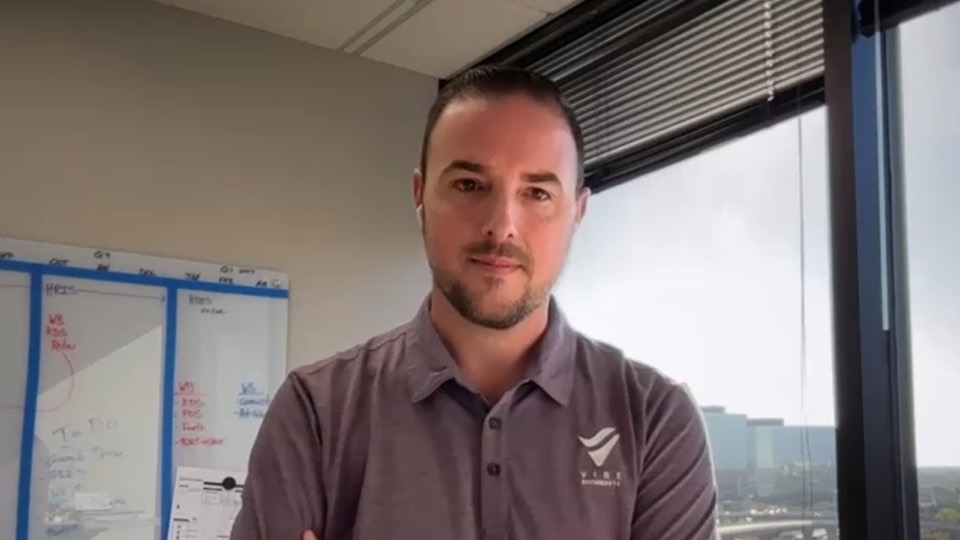
Brendon Gilbert
VP Technology · Vibe Restaurants
Brendon Gilbert, VP Technology at Vibe Restaurants, is the guest on episode 45 of the Restaurant Tech Trends podcast, hosted by Justin Foster.
 Play episode
What Brendon and Justin discuss
- Why Brendon was hired as Vibe’s first tech leader and how early wins came from blocking and tackling rather than shiny tools
- How Vibe balances franchisor-mandated tech (POS, payments, hardware) with portfolio-level systems (ERP, payroll, HRIS, scheduling) to scale across three brands on its quest to grow from $200M to $350M
- What it takes to operate a brand that is 70%+ digital at Wingstop and why connectivity, failover, and single-number support matter more than buzzwords
- Brendon’s POV on AI-assisted scheduling, turning hours of manual work into a 15-minute workflow without losing local knowledge or hospitality judgment
Episode notes from the host
On today's Restaurant Tech Trends: Brendon Gilbert, VP Technology at Vibe Restaurants! Vibe is a multi-brand franchise group behind 70+ Little Caesars, nearly 90 Wingstops, and a growing number of Whataburgers.
Huge thanks to Brendon for a practical, operator-centric conversation about scaling tech in the real world.
Transcript
Full transcript (2,782 words)
Machine-generated transcript; names may be misspelled.
0:00 Hey everyone, welcome to Restaurant Tech Trends, where we explore restaurant technology trends with some of the industry's biggest movers and shakers in a rapid fire short interview format. Today's podcast is produced by Incept AI. Incept AI takes restaurant orders over the phone and in noisy drive-thrus with friendliness and precision. Learn more at Incept.ai. Now today, I'm hanging out with someone who lives at the intersection of bits and burgers. Brendon Gilbert is vice president of technology at Vibe Restaurants, a Texas-born multi-brand franchise group behind Little Caesars, Wingstop, and Whataburger locations across more than a hundred restaurants in 14 states, doing north of $200 million in annual sales on a path to $350 million. That's impressive. He also serves on the FSTech Advisory Council and is a regular voice in the Restaurant Tech Conversation. Today, we're going to get into how he thinks about tech for franchises, what actually moves the needles for operators, and where he sees the next wave of innovation coming from. Brendon, welcome to the show. Hey, glad to be here, Justin. Thanks for having me. I'm glad we finally got to make it work. I know we've been chatting about it for many months, and here we are. So for those of us that haven't heard about Vibe before, how would you describe the portfolio today across Little Caesars, Wingstop, and Whataburger in terms of units, the states you're in, and sales?
1:30 Yeah, great question. So yeah, as you mentioned, Vibe started with Little Caesars. So today, we have 72 Little Caesars locations. The next brand that we got involved with was about six, seven years ago was Wingstop, which we today have 88 locations and without a doubt is our fastest growing brand. And then most recently, about three years ago, we got into the door with Whataburger, you know, the Texas icon of Whataburger, which today we have eight locations with. And so at a high level, again, 14 states, and so all across Southwest and across the country. And so that's been a lot of fun. And then yeah, from a sales perspective, Little Caesars hovers just south of the 1 million mark on AUVs. Wingstop is around, I think, based on the latest earning call, right around 2.1 AUV. And Whataburger is a larger one, they're up in the 4 million range. And so yeah, they're very, very different businesses. But it's fun, man. It's very cool to have three very cool, just iconic, loved brands. It's a lot of fun. I'm looking forward to chatting a little bit more about the operational realities on the tech side, having to manage three different brands. But boy, those AUVs on those Whataburgers are just insane, aren't they? Every time someone's talking about Whataburger AUV, I just like have to pinch myself. It's nuts how well those restaurants perform. Let's talk about you joining Vibe. So you previously were at Dutch Brothers, I think. Is that right? Yeah, correct. And you joined in, I think, late 2024. So you're coming up on one year now. What were some of your initial priorities on the tech side? And what has moved the needle the most in your first year?
3:12 Yeah, well, I mean, for a little bit of background, I was Vibe's first technology hire, you know, prior to myself, the company had gotten up to this point for 15 years with that technology hat kind of being distributed across the organization. And so with that, they identified with this next scale of growth, the company is going to be going through where we're going to be opening in the neighborhood of 20 to 30 locations across our portfolio annually. But with that, you know, our ownership team and our current executive team recognized they needed some help to come help scale that. So they brought on myself and two other VPs at the same time to help with that. And so being the first tech hire, yeah, it was eye-opening, you know, coming in because I think the first recognition was, man, like the current team has done a fantastic job growing to the level that they've built this company, really without having someone centrally leading that charge and having a strategy for how to leverage technology within the organization. With it also, you know, my primary background prior to Vibe was really more on the field technology side of things, you know, things that actually face customers, frontline employees, and now coming into a space that I also have just general infrastructure, corporate technology, things like that under my umbrella. So for me, you know, my first couple months were really just focusing on understanding what's working, what's not working, where are the pain points, and really what we found, some of our biggest opportunities were just clearly identifying what is the technology we use here at Vibe, how do we best use it together, and it's the little things. It's like, hey, you know, when I came in, files are being stored across Google Drive, OneDrive, Dropbox, people's personal computers, flash drives, all over the place. And so you have new hires come in in the door, they go, where do we find leases? Where do we find, you know, P&Ls? And so, albeit it not be like the sexiest thing out there from a technology standpoint to take on, that was one of the first things we started working on is how do we consolidate our tool set? How do we define the different tools that we're using? How do we make sure that every team knows what tool to use, when to use it, where to find files, those things, so people aren't spending hours in their days trying to answer those questions?
5:22 You know, it's funny, so many look at technology roles in restaurants and think it's a really sexy role, but so much of the productivity that is created with technology in this space is behind the scenes, and I think that's a great example. Well, let's dig in a little bit more about some of the complexities of operating three different brands on three different tech stacks. Like, how much of the stack, and then how much of the process are you able to standardize across these three different operating models? And what are some of the biggest challenges that you face having to deal with multiple different stacks? I think one of the things I had to do, and it kind of goes back to your last question, but it's very relevant here, is building out partnerships, is, you know, now being back on the franchisee side, building those partnerships with the technology teams at each of our franchisors, so that, you know, one, we have the ability to influence, you know, we've got a voice, and there's an ear to hear the concerns, the challenges, the things we're excited about, but also someone that's working with us to help us prepare for those things. But to really answer your question around it, so core systems, you know, I am now an influencer, you know, I've got a voice, but ultimately those core systems are defined by our franchisors. So things like point of sale, kitchen display systems, payment processing hardware, like those types of things, we're using whatever the brand's provided. We don't have an option on those ones, which in my opinion is the right way to do it. You know, I hear some franchisors allow their franchisees to have different POSs and things like that, and I can't even imagine the integration nightmare that that presents. But a lot of the more back of house things we do have flexibility on.
7:04 So if we think of like corporate tech, things like ERP, HRAS, payroll platforms, those things we have flexibility on. Labor scheduling is a big one. You know, I think everyone in our space today is waking up every day asking themselves, how can I be more effective, more efficient, more deliberate with our labor deployment strategies? So we do have flexibility in that tool set. And I will say that is something that is a goal of Vibe to at one point be able to bring together labor scheduling kind of workforce management platform that we could scale across our entire portfolio. But in today's world, we are in three, we have three different, we have pretty much everything's different for each brand. So I just returned from RFDC, and I was attending a panel on labor and AI. And this topic of AI scheduling for labor was a very hot topic. I'm curious, where do you fall on this topic? Are you in the spot where you've got GMs that are ready to just do a one click, set the schedule? Or are the actual operators like, no, we're not quite there yet? Yeah, so we are not there today. You know, I think part of it is we don't have all the tools we need to get to that point. But it's very much where we'd like to get to, you know, when I think about from labor scheduling, our my goal is that for all of our GMs, general managers of locations, instead of being an architect of a schedule, they should be an editor of the schedule, you know, all the things in terms of managing employee availability, preferences, time off, bringing in the forecast, being able to build out kind of that skeleton foundation for what bodies you need to hit the level of service that you want to deliver, we should be able to take care of that for GMs on their behalf. And then they should have the ability to do some sort of autofill or things like that, where between the technology, the AI, whatever you want to call it, it kind of builds that baseline for them. And now we really get to use their time on the strategic side of it of, hey, there's going to be things that no matter what technology may not know about that the GM will, they may know about a conference coming to town or something going on that they need to adjust that forecast up or down. And then they also know, you know, what team members work better than others together, who are my players that need to be in the right positions.
9:18 And so they should still have that freedom to edit and make changes. But how do we make it to where building a schedule is a 15 minute process for them, not an hours long project for them? Well, let's talk a bit about something that might be a bit weedsy, but is super important. And every operator cares about this, but it's building failover into the restaurant when the internet goes down. What have you done to make your restaurants run more reliably when you lose network connectivity? Yeah, I mean, it's a really, really spot on topic for Vibe, because this is one of the big projects we actually took on is when I first came in and did some of those interviews of what's working and what's not. Connectivity, support, all of those around networking, ISP, things like that was one of the top ones that came up. And you know, with Wingstop, that one is with all of our three brands, it's important. But with Wingstop, I think their last earnings call announced, we're 73% digital in terms of transactions. So 73% of our transactions are 100% reliant on having rock solid internet connectivity at the stores. And so one of the things we actually did in partnership, I was able to build out a fantastic friendship with both Chris Fallon and Chris Lyles, who are the CTO and CIO right down the street at Wingstop headquarters. And we learned that both of us were actually on this journey together. We were both independently looking at solutions for who could come in and help us, with this thing. And so we combined efforts and we actually were part of a pilot with them.
10:50 And Wingstop is now actually rolling this program out to franchisees that opt in. And it's a partnership with Comcast where Comcast will come in, they'll procure ISP on your behalf, they will come in, install the network setup, they'll provide the failover, the monitoring, all of those things. So really, they're your knock, you know, your network operations center for hire, which for Vibe, we're not looking to build out a massive tech team. So having someone like that that can take that off our plate, not only introduces that additional resilience and failover at the store level, what we also learned is it paid off massive dividends to almost every team within Vibe. It makes accounting's life easier, it makes our growth and development team's life easier. But then also, I think one of the biggest benefits of it is it's going to give the stores one point of contact for support. It doesn't matter if it's a POS issue, a payments issue, a failover issue, an ISP issue, they have one place to call that then they go battle whatever that issue is on behalf of the store so that the store manager can get back to what they need to be doing, which is coaching operations in their store. I love it, man. That's amazing. Well, we're almost out of time and about to get into our rapid fires. But before we get there, I wanted to ask, what emerging technology are you most excited about in the QSR restaurant space?
12:07 Yeah, I can't speak to which providers specifically are working on this, but it's definitely a passion of mine that I carried over from Dutch Bros. And that's how do you marry the digital and physical experience to still provide customers with that level of hospitality that they received before technology got in the way of it in some ways. And so what I mean by that is how do you take it to where if I'm normally a third party delivery customer or an online ordering customer, but I happen to show up in person that that person at the point of sale taking my order sees all of my history, knows what my favorite items are, can reorder those on my behalf. Like how do you bring all that together into one unified experience with the ultimate goal of like surprising and delight? So, you know, Justin, when you come into maybe it's Wingstop, what would it look like down the road if you're always an online ordering customer, but for whatever reason you came in in person, and I can know you and I can know like, oh, man, my boy Justin, he likes hot honey. I just think that level of hospitality and feeling like you're known as a customer is so desired by so many people in the world. And I think technology has a really cool opportunity to help with that. So I'm seeing some more things getting developed and coming out in the marketplace in that area. And I'm really excited to see where it goes. Yeah, I agree with you on that. Definitely on the payment side, there's a lot of stuff that's being done to help unify some of that guest data. It's very cool. All right. Well, let's move on to our rapid fire. So let's do it. For those of you that don't know about rapid fires, the rules of engagement are this. Brendon has no idea what these questions are. He's never seen them before. And Brendon, try to answer each of these questions with one word if you can. And if you can't keep it to one sentence. Are you ready? Ready. All right, let's do it. Little Caesars, Wingstop, or Whataburger? Which brand is the most dangerous to your diet right now? Oh, man, I gotta say Wingstop. Just because I just mentioned hot honey. It's, it's unbelievably tasty. Right. What's more fun for you? Opening day for a new restaurant or flipping the switch on a major tech rollout? Opening day on a new restaurant. Are you more of a cloud first guy? Or do you still think some pieces belong on prem? Cloud first. All right. I love it.
14:27 Brendon, I want to thank you very much for joining me here today for your time. Everyone, Brendon Gilbert, Vice President of Technology at Vibe Restaurants. Brendon, thanks. Thank you, Justin. Appreciate you having me on. It was a good chat.